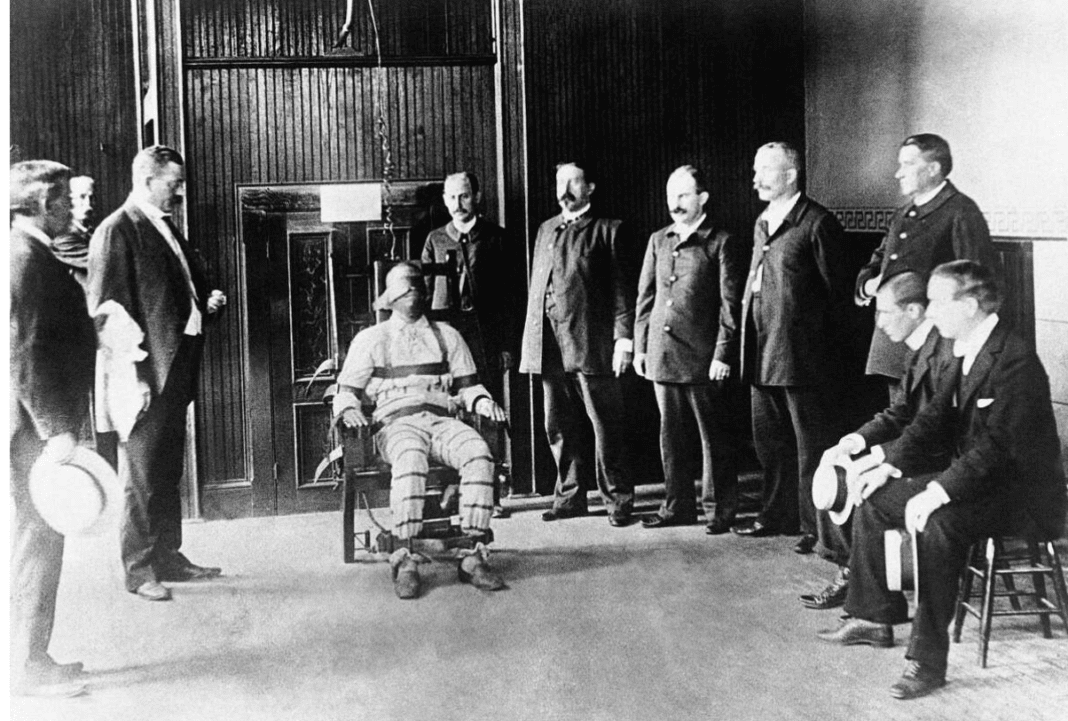

The death penalty has been a much-debated topic in New York for decades. After long legal and political disputes, the state abolished the death penalty only in the early 21st century. After the decision, some individuals advocated its reinstatement. However, the majority of New Yorkers believed that the death penalty is a vicious and inhumane practice and it has no place in a just and civilized society. Read more at new-york-yes.com.
Capital punishment cases in New York
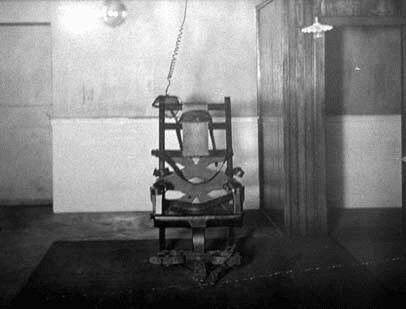
It should be noted that capital punishment was abolished at the beginning of the 21st century. But since the mid-1960s, the death penalty has not been applied to anyone in the state. Between the early 1890s and the early 1960s, over 600 people were executed in New York.
The first person in New York to be sentenced to death in 1890 was a local merchant William Kemmler. Before he committed murder, he had a far-from-perfect reputation. In particular, he was known for his great passion for drinking. Kemmler became the first person who was executed in the electric chair not only in New York but all over the world. He was convicted of murdering his common-law wife.
The world’s first electrocution did not go well. Kemmler didn’t die immediately. Although the electric chair was tested on a horse the day before Kemmler’s execution, the current had to be applied twice on a person. On the second attempt, Kemmler was electrocuted with 2000 volts of current. All the vessels in his body suddenly burst and bled, some witnesses claimed that his body caught on fire. Moreover, The New York Times wrote that the room was instantly filled with the terrible smell of burning meat. People who were at the execution felt nauseated and had to leave the room.
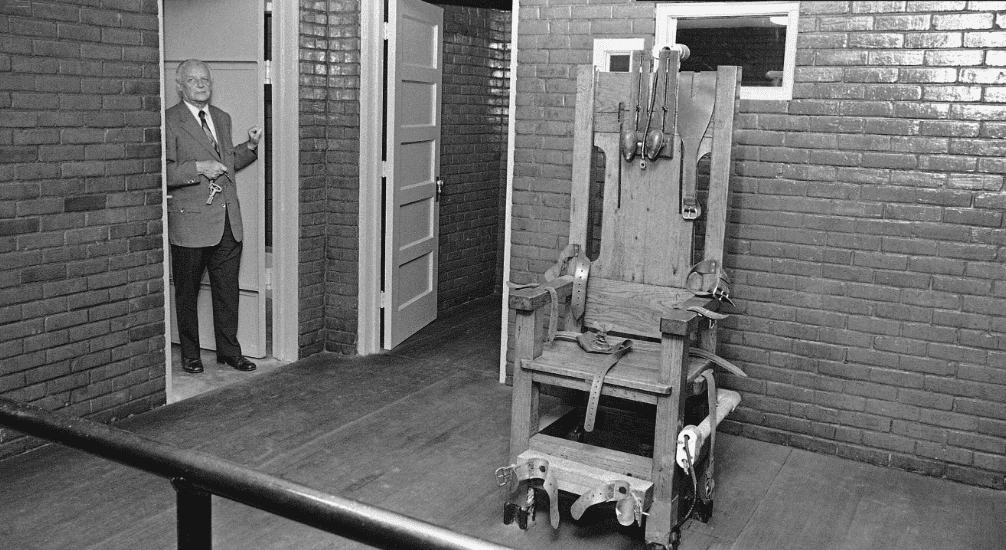
Thief Eddie Lee Mays was the last person to be executed in New York State in 1963. He was convicted of first-degree murder, as well as repeatedly committed theft. Eddie Lee Mays was also executed in an electric chair.
From the early 1890s to the mid-1960s, 695 people were executed in New York. 691 people were put to death for murder, 2 for kidnapping and another 2 persons for espionage.
Reasons for the death penalty abolition in New York
One of the main arguments against the death penalty is that it is ineffective in crime control. In fact, studies have shown that states with capital punishment had higher homicide rates than states without it. In addition, people of color and low-income individuals often unfairly underwent the death penalty. The risk of executing an innocent person raised deep concern, as numerous cases of unlawful convictions were identified throughout the country in the 20th century.
Capital punishment opponents also argued that it is a violation of human rights and an offense to human dignity. The idea that the state has the right to take life as a punishment for a crime was deeply disturbing and was contrary to the essential values of justice and compassion. A defendant was often executed in cases of serious crime, such as murder or rape. Nevertheless, such punishment could never truly restore justice to the victim’s family or redress the harm caused.
In New York, the debate on the death penalty reached a high point in 2007 when the state’s Supreme Court ruled that the capital punishment law was unconstitutional. The court mentioned countless deficiencies in the system, including the risk of wrongful convictions and unreasonable death penalty sentencing. It was also not an effective repression of crime. After that ruling, Governor David Paterson signed a bill officially abolishing the death penalty in the state.
Some people after capital punishment abolition claimed it should be restored in New York. Still, most of the city’s residents believed that it was an immoral and ineffective practice. Instead, New Yorkers advocated for more efficient and sustainable ways to fight against crime, such as:
- investment in education
- professional education
- health care services.
After all, by eliminating the root causes of crime and working primarily on its prevention, people can build a more safe and just society, truly reflecting values and principles. We can create a safer world for everyone by focusing on prevention and rehabilitation rather than punishment.