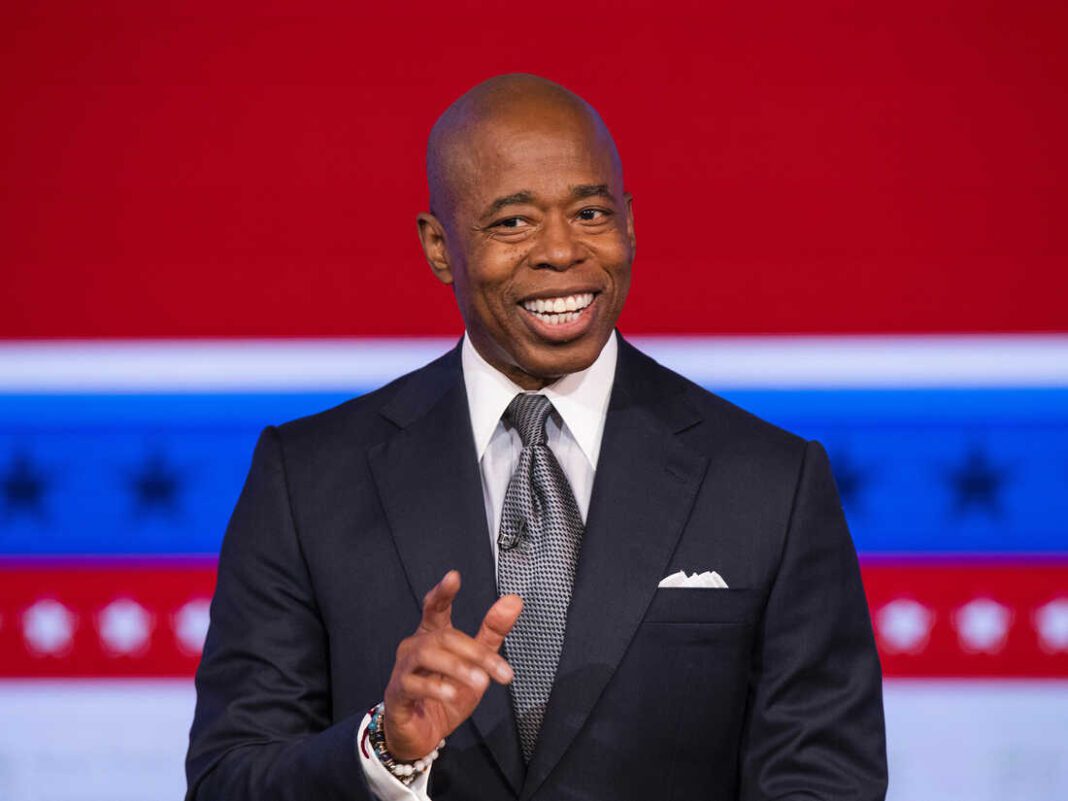

Eric Adams has made history as a leader who embodies the hopes and challenges of a modern metropolis. His political career is a story of persistence and a fight for justice, charting a path from law enforcement to leading one of the world’s largest cities. Learn more at new-york-yes.
Adams grew up in a poor, working-class family, yet he forged a path from police officer to politician. This article explores how Adams got his start in politics.
Early Years
Adams was born on September 1, 1960, to a family that was not well-off. His mother, Dorothy Mae Adams-Streeter, worked two shifts as a cleaner and had only a third-grade education. His father, Leroy Adams, was a butcher who struggled with alcoholism.
Both of his parents moved to New York City in the 1950s. Adams grew up in a tenement building in Brooklyn. His family was so poor that he often brought a bag of clothes to school in case they were suddenly evicted from their home.
By 1968, his mother had saved enough money to buy a house and move the family to South Jamaica, Queens. Adams was the fourth of six children. As a child, he sometimes earned money as an errand boy.
At age 14, Adams joined a gang called the “7-Crowns” and became known as “a tough little dude.” He held money for local hustlers. He also ran errands, including buying groceries, for a dancer and sex worker named Micki.
After Micki refused to pay for the groceries he bought or for his work, Adams and his brother stole her television and a money order. They were later arrested for criminal trespassing.
While in police custody, they were beaten by NYPD officers until a Black police officer intervened. Adams was sent to a juvenile detention center for several days before being sentenced to probation. The incident left Adams with post-traumatic stress disorder (PTSD).
Adams graduated from high school in January 1979, though he had struggled with his studies. He later enrolled in college, working as a mechanic and a mailroom clerk in the Brooklyn District Attorney’s office while earning an associate’s degree from the New York City College of Technology.
Career Growth
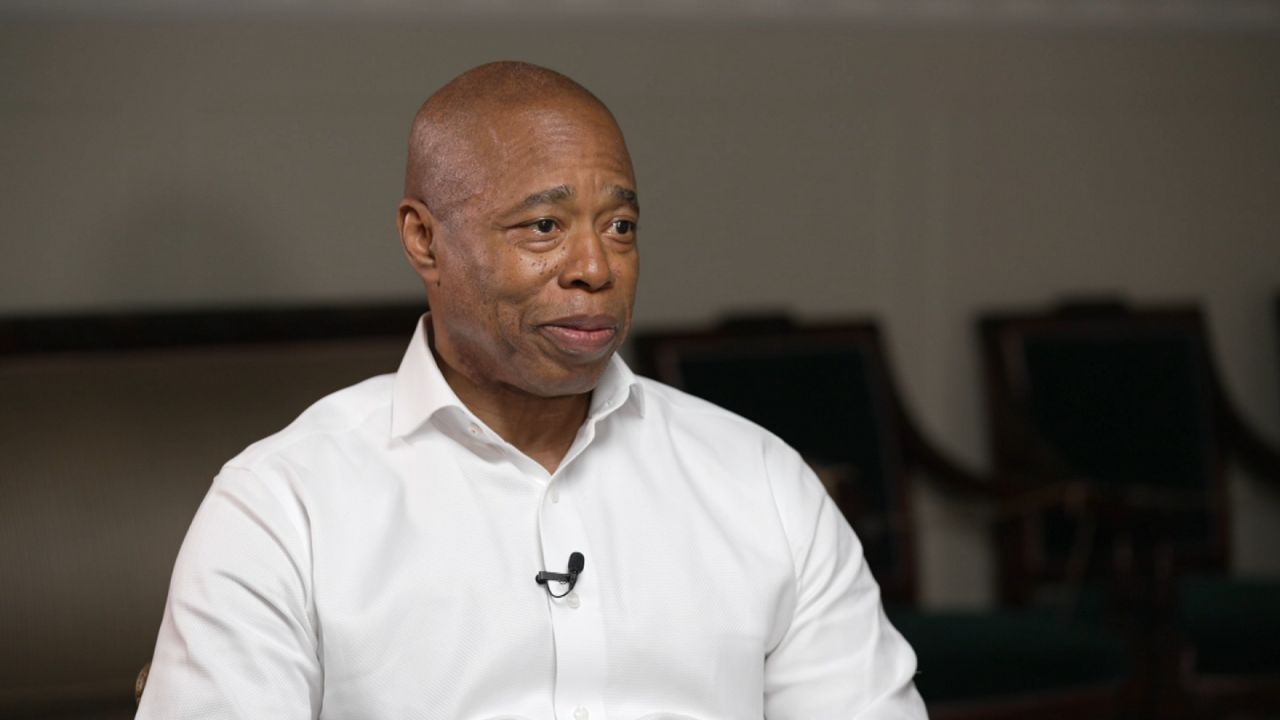
Adams served as an officer with the New York City Police Department (NYPD) for over 20 years before entering politics. He often tells media outlets that his decision to join the force was personal. After being beaten by police as a teenager, Mr. Adams believed he could change the department’s culture from within.
During his time on the force, Mr. Adams was a staunch advocate for Black officers. Through his active involvement in Black police fraternal organizations—the Grand Council of Guardians and 100 Blacks in Law Enforcement Who Care, which he co-founded—Mr. Adams openly challenged his superiors. He spoke out against discrimination, police brutality, and the department’s excessive use of “stop-and-frisk” tactics.
Having fulfilled his mission in the police department, he decided in 1994 that he wanted to become mayor, he told The New York Times.
In 2006, Mr. Adams retired from the police force to run for the State Senate. He won, representing parts of central Brooklyn in Albany until 2013, when he became the first Black person to be elected Brooklyn Borough President.
Over the years, he cultivated relationships with union leaders and other elected officials, many of whom endorsed his campaign for mayor. He also built connections with wealthy donors who boosted his campaign funds, as well as lobbyists and the party machine that helped him climb to the next rung of his political career.
Political Career
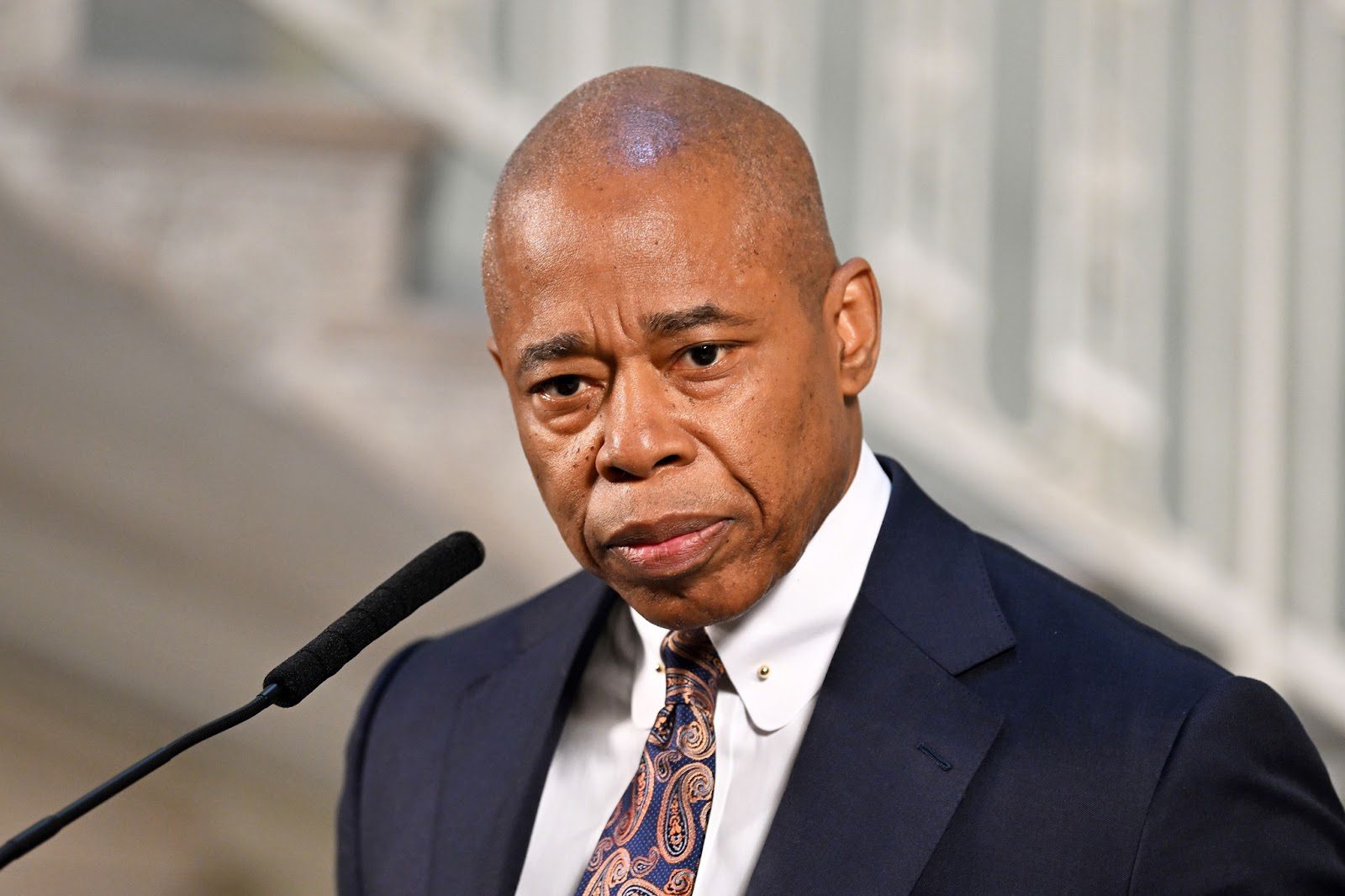
In the 1990s, Adams began considering a political career with the ultimate goal of becoming mayor of New York City. He discussed his ambitions with William Lynch Jr., an advisor to Mayor David Dinkins. Lynch encouraged Adams to first earn a bachelor’s degree, rise through the NYPD ranks, and then successfully run for lower political offices.
In 1994, Adams ran for Congress against incumbent Major Owens in the Democratic primary for New York’s 11th congressional district.
According to Board of Elections records, Adams registered as a Republican in 1997 before switching back to the Democratic Party in 2001. Adams said his move to the Republican Party was a protest against what he viewed as failed Democratic leadership.
In 2013, he reached a new stage in his political career when he became Brooklyn Borough President. Adams was active in his duties, supporting the development of the borough’s infrastructure and economy. He also worked hard to improve the quality of life for its citizens.
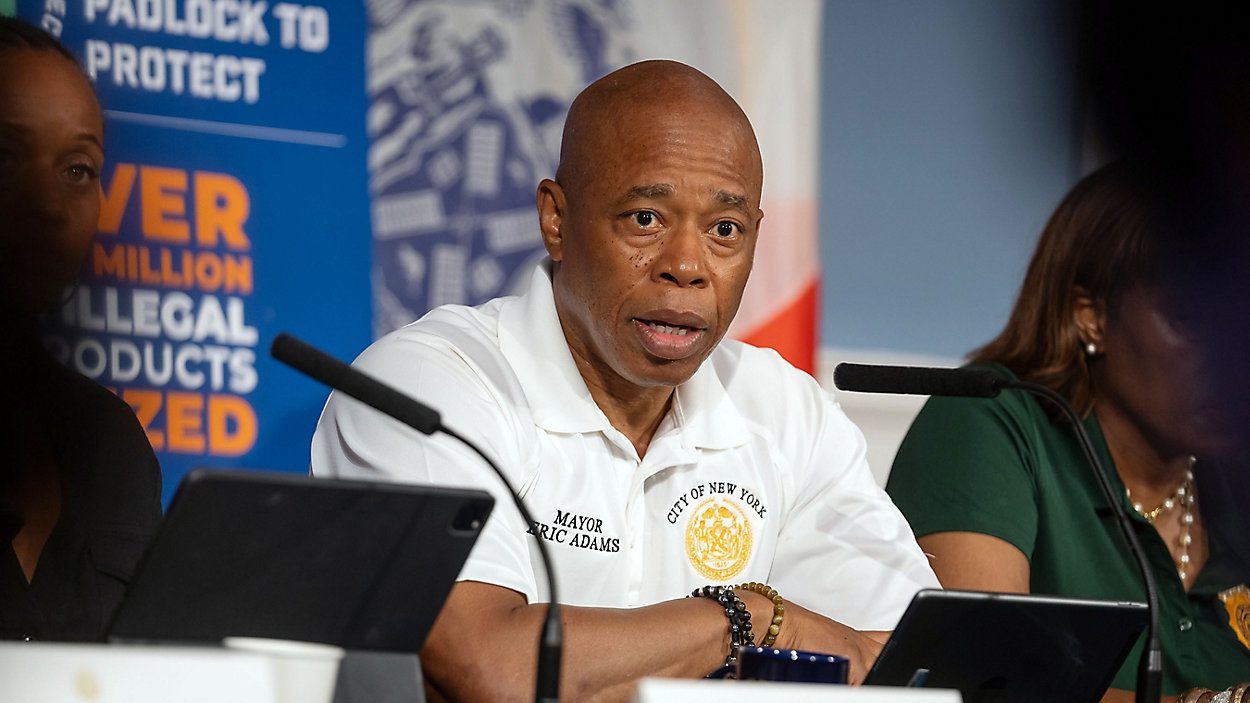
In 2021, Adams’s biggest dream came true when he was elected mayor of New York City, becoming the second Black mayor in the city’s history. As mayor, he has primarily focused on issues of safety, economic development, and equality, striving to create a more inclusive and just society.
Accusations Against Adams
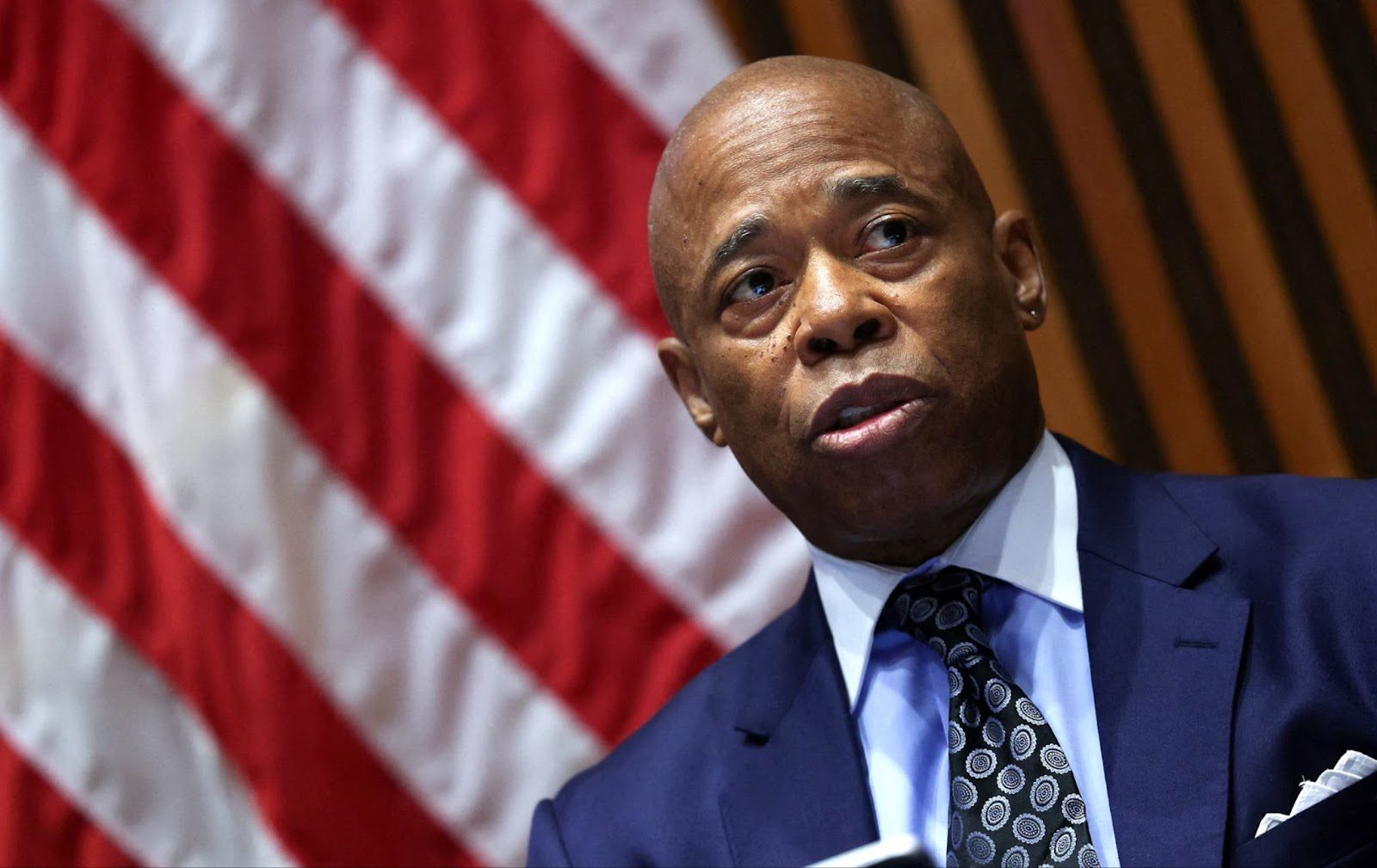
Mr. Adams’s relationships with lobbyists, donors, and developers have faced scrutiny from opponents throughout his career. In some cases, his actions have even led to a series of investigations.
Although Mr. Adams has never been officially charged with wrongdoing, a review by The New York Times found that he has sometimes blurred the lines of ethics and campaign finance laws.
While he was a state senator, an investigator accused him of “exceedingly poor judgment.” The investigator found that Adams and his staff had improper connections with a company trying to become a vendor for video lottery terminals at the Aqueduct Racetrack. Mr. Adams came under investigation as he was the chairman of the Senate’s Racing, Gaming and Wagering Committee.
The controversies didn’t end there. Adams later founded a nonprofit group that collected donations from developers who were seeking his support for projects or zoning changes, prompting an investigation into whether he violated conflict-of-interest rules.
In a statement, Mr. Adams maintained that no contributions from companies would ever influence his decisions as a public servant.
Following this incident, Adams criticized those who questioned his professionalism.
Interesting Facts About the Mayor
- He’s a “vegan” who eats fish. Adams has been known to privately dine on fish at high-end Manhattan restaurants. He was forced to admit he sometimes strays from his vegan diet, which led to a wave of questions and criticism.
- He sleeps only a few hours a night. It’s fitting for a leader of New York, “the city that never sleeps.” The mayor claims he only needs four hours of sleep. While he was Borough President, he kept a mattress by his desk at Brooklyn Borough Hall so he could work late. He reportedly compensates for the lack of rest with a daily meditation practice.
- He vacations in Monaco and parties at a private club. Adams has generally been quiet about his personal trips to Europe. The mayor is a regular at the exclusive members-only club Zero Bond.
- He doesn’t trust the police for his own security. Adams spent 22 years as a member of the NYPD but doesn’t rely on the “boys in blue” for his personal protection. The mayor even hired his brother to head his security detail, despite accusations of nepotism. According to Adams, he only trusts his brother and sister.
- He is a cryptocurrency enthusiast. The mayor famously took his first three paychecks in cryptocurrency and wanted to make New York a hub for digital currency trading. More recently, however, he has spoken out against the mining process required to mint the currency.
- He loves bubble baths but doesn’t have a bathtub at home. During one of the Democratic primary debates, Adams said he couldn’t live without a hot bath with rose petals.
“Men like it, too,” he said on the debate stage, as his opponents gave more traditional answers like “my children” and “my wife” to the question of what they couldn’t live without.
However, when Adams invited reporters for breakfast at his Bedford-Stuyvesant townhouse shortly before the primary, they noticed he only had one small bathroom with a shower stall, no tub.
- He once had a homeless accountant. Adams said he took pity on a tax preparer and let him handle his finances, even though the man was living in a shelter. But the accountant cost the mayor dearly, as Adams later had massive problems with his tax filings and other financial documents.
Sources: