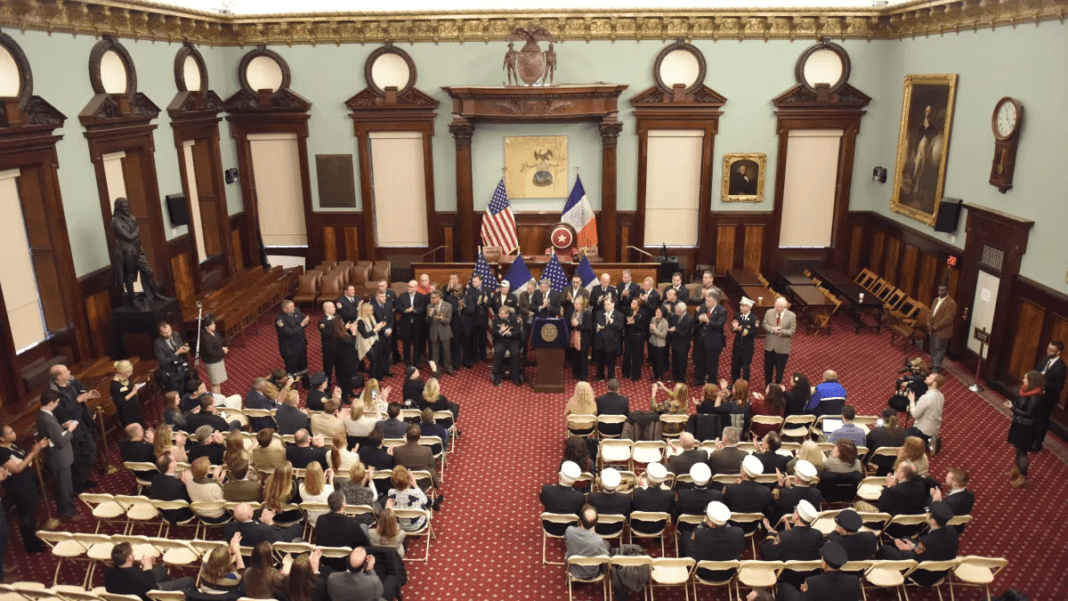

The New York City Council is a vital local governing body responsible for passing laws and implementing policies that shape life in the metropolis. Learn more at new-york-yes.
A large portion of the Council’s legislative work takes place in committee meetings and hearings focused on human services, infrastructure, and public affairs. These committees debate proposed laws, receive updates from agency officials, and listen to feedback from New Yorkers.
In this article, we’ll explore the primary responsibilities of the New York City Council to highlight its impact on the city’s development and governance.
History of the City Council
The New York City Council has a rich and interesting history that dates back to the Dutch colonial era when New York was known as New Amsterdam.
Throughout the 18th and 19th centuries, the city’s administration was known first as the Common Council and later as the Board of Aldermen. In 1898, the governing body was reformed and renamed, adding the New York City Board of Estimate, which granted it certain administrative and financial powers.
The first elections to the modern New York City Council took place in 1938 under a single transferable vote system. At that time, 26 members were elected for two-year terms. In 1945, the term length was increased to four years to align with the term of the Mayor of New York City.
In 1947, proportional representation was abolished due to pressure from Democrats who stoked fears about the potential for Communists to be elected to the city council—though two had, in fact, been elected. New York did not return to this system, despite efforts and funding from wealthy backers for new legislation and referendums. All these attempts proved unsuccessful.
The old electoral system was replaced with a new one, where one council member was elected from each State Senate district. Additionally, two at-large members were elected from each of the five boroughs. However, in June 1983, a federal court ruled that these ten at-large seats violated the “one person, one vote” principle enshrined in the U.S. Constitution.
By the end of the 20th century, the number of seats in the city council was increased from 35 to 51.
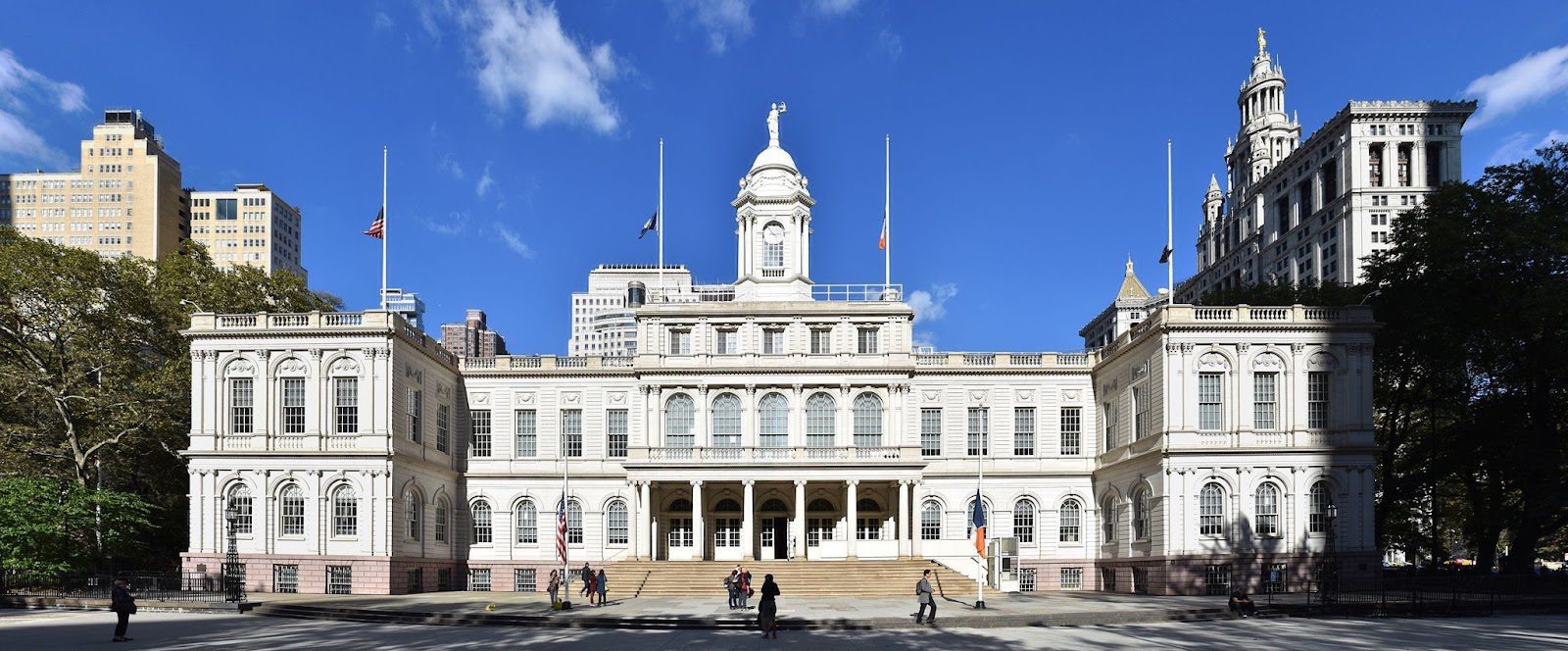
What are the Responsibilities of the NYC Council?
The New York City Council serves as the city’s legislative branch, acting as a check on the mayor and various city agencies.
The Council is divided into committees and meets at least once a month, except in July and August. Each committee member is appointed through a voting process involving all Council members.
The NYC Council has three primary responsibilities: passing legislation, reviewing and adopting the city budget, and overseeing land use.
The law-making process begins when a council member submits a bill to the council clerk. Bills are introduced at “stated meetings”—regular bi-weekly gatherings—where the bill is assigned to the relevant committee for discussion and potential amendments.
Public hearings are scheduled to provide the committee with testimony and ideas that could shape the bill’s language. After these steps, the committee votes on the final version of the bill before sending it to the full Council for a final debate and vote.
If a majority of the Council votes in favor, the bill is passed and sent to the mayor to be signed or vetoed. If the mayor vetoes a bill, the Council has 30 days to override the veto with a two-thirds majority vote.
Adopting the City Budget
The next major responsibility of the New York City Council is adopting the budget for the metropolis.
New York’s budget cycle begins on July 1 and ends on June 30 of the following year. The process has five main stages. First, the Mayor proposes a budget, which the Council then evaluates to determine if it meets the city’s needs.
Next, the legislative body holds public hearings to gather input from lawmakers, advocates, and city residents. The Council submits its recommendations to the mayor based on what its members identify as the city’s most pressing issues and financial needs. After receiving the Council’s response, the mayor creates a revised budget.
The process then returns to the City Council, where the budget proposal is negotiated until a final agreement is reached between the mayor and the Council.
Land Use Regulation by the Council
In addition to legislation, the NYC Council is responsible for regulating how land is used in the city, including zoning, public land, public spaces, landmarks, and sidewalk cafes. Several committees and subcommittees are dedicated to land use. Interestingly, the Council even employs architects, urban planners, and administrators to help make the city a better and more comfortable place to live.
What is the Salary for City Council Members?
Based on an analysis of various sources, members of the local government earn approximately $148,500 per year.
Before 2016, the salary was slightly lower, at about $112,500 per year. Notably, New York City Council members do not receive additional pay for serving as committee chairs or in any other leadership roles. Compensation is distributed equally and transparently.
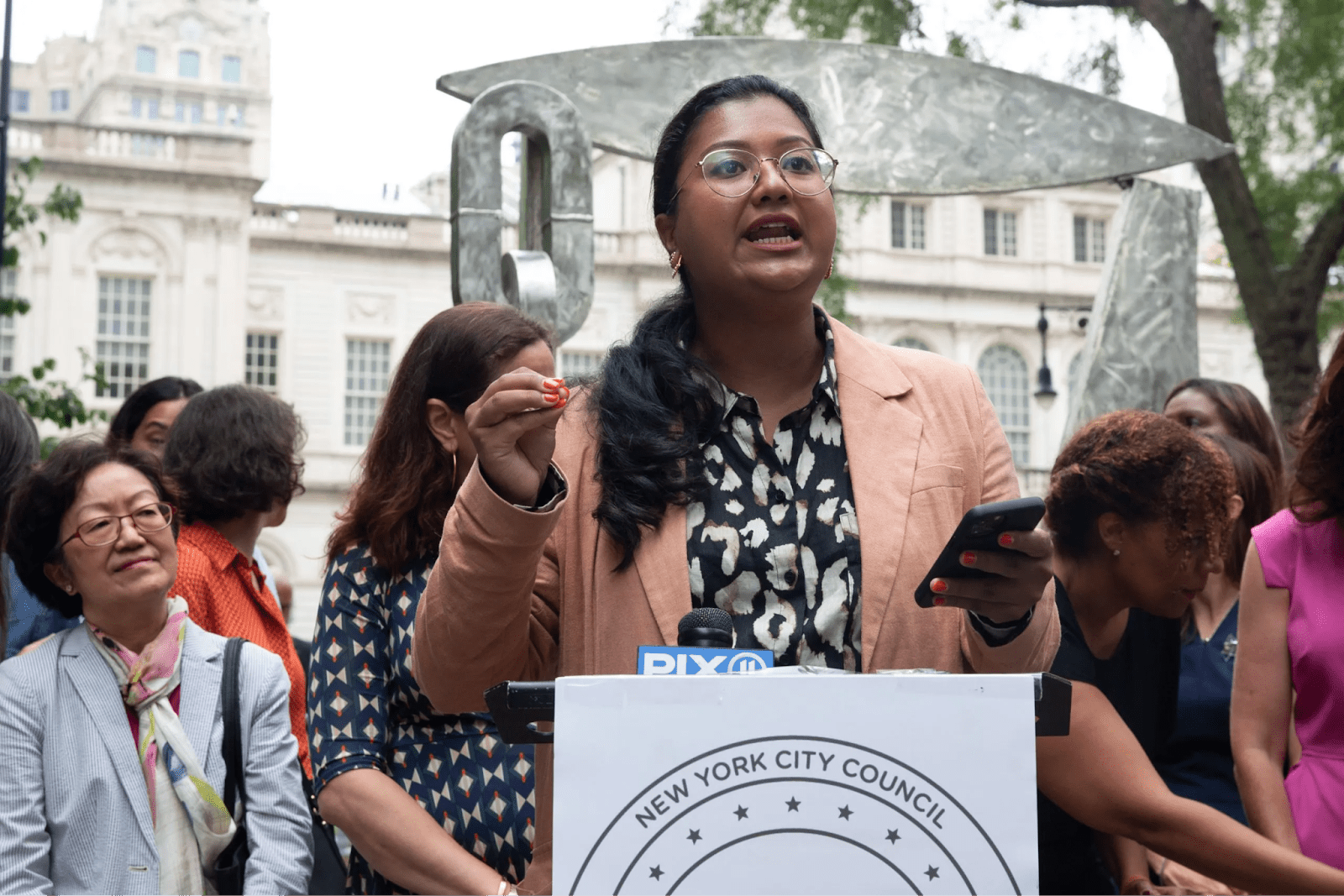
Where do City Council Members Vote?
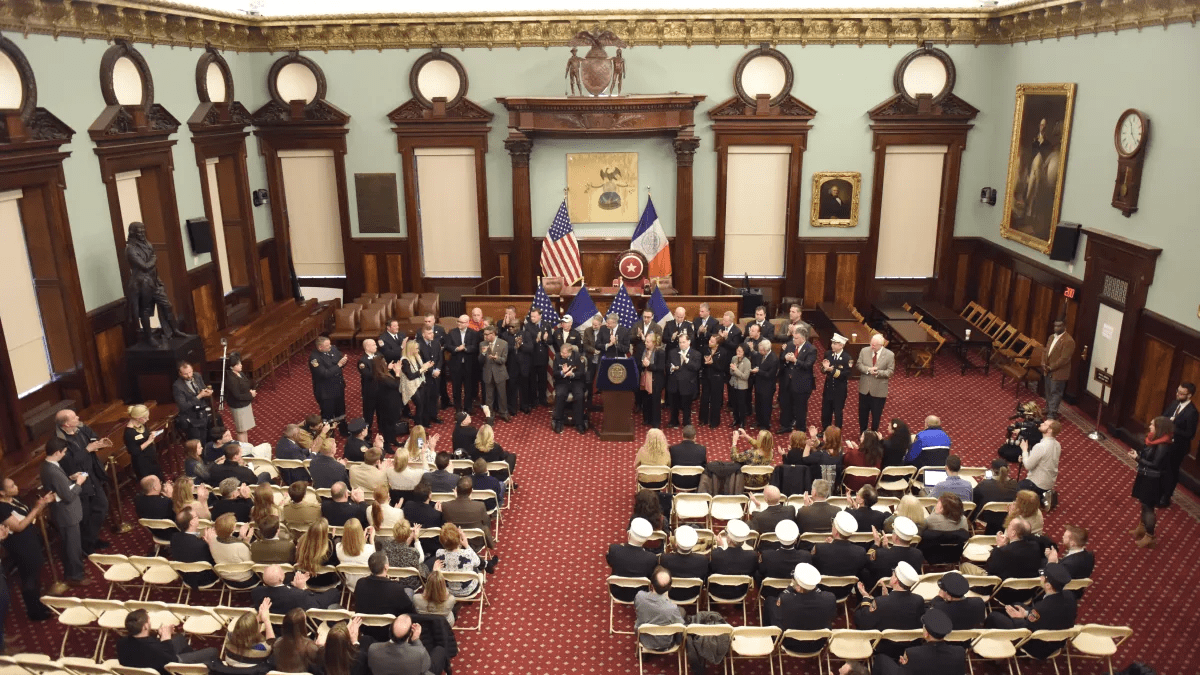
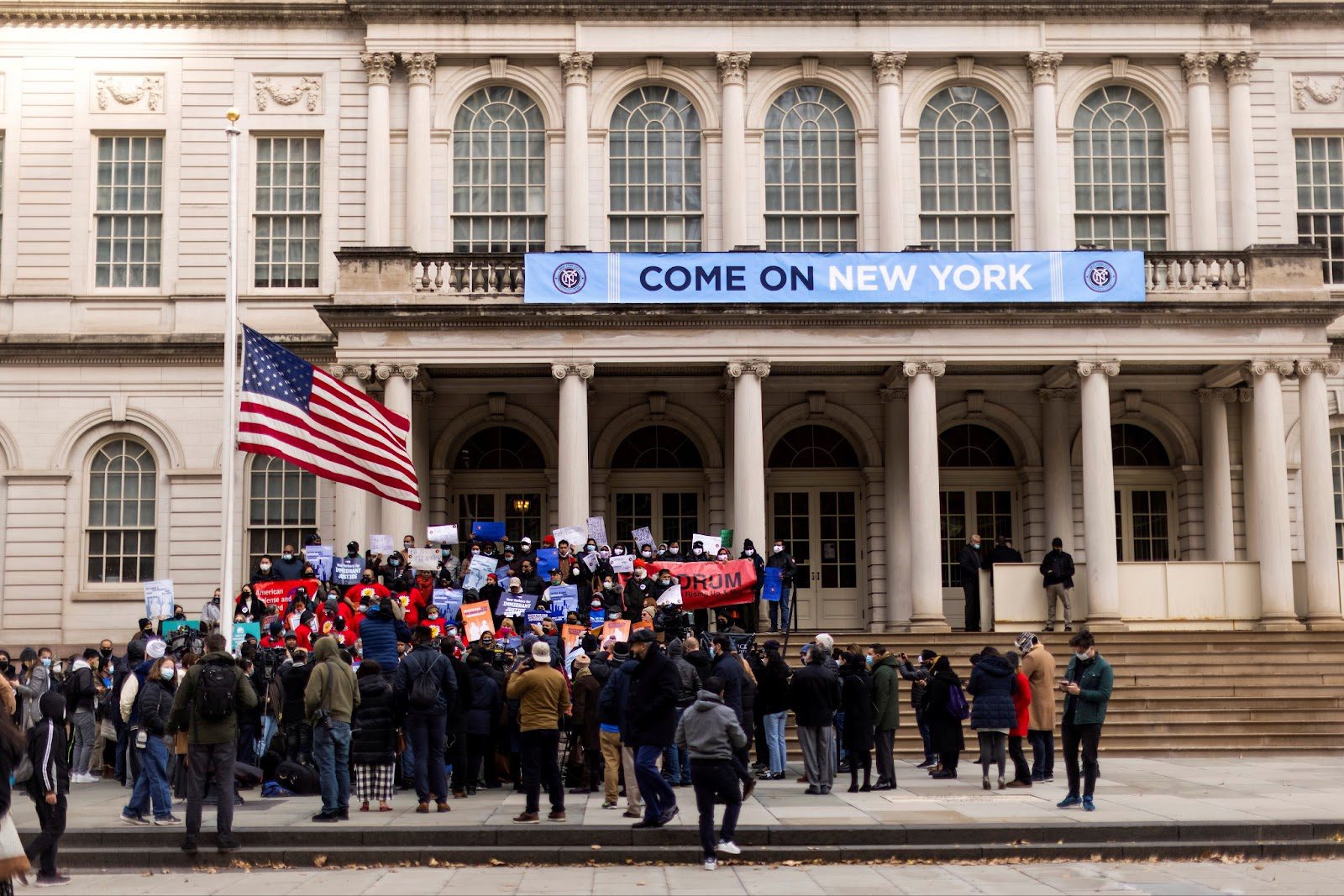
Members of the governing body have offices in each of their districts as well as a legislative office at 250 Broadway. Official Council meetings, where members debate issues and vote on legislation, typically occur twice a month in the Council Chambers at City Hall. Meetings may also be scheduled at the discretion of the members during July and August.
Committee hearings are usually held at City Hall or at 250 Broadway.
Interesting Facts About the City Council
- The New York City Council is one of the city’s crown jewels. It has one of the longest histories of any local legislative body in the United States, dating back to 1653.
- The Council is world-renowned for its ethnic, cultural, and political diversity. This diversity among its members helps officials approach issues from many different perspectives.
- The New York City Council is composed of 51 members, making it one of the largest municipal legislative bodies in the United States.
- Each member represents a distinct district within the city.
- In previous centuries, the Council used a system of proportional representation for elections, but this system was abolished in 1947 due to political pressure and anti-communist sentiment.
- The Council has undergone many changes and reforms throughout its history, including shifts in its electoral system and structure, such as the adoption of a new charter in 1938 that established the council as the sole legislative body.
These facts underscore the fascinating history and vital role of the New York City Council in the life of the metropolis.
Sources: