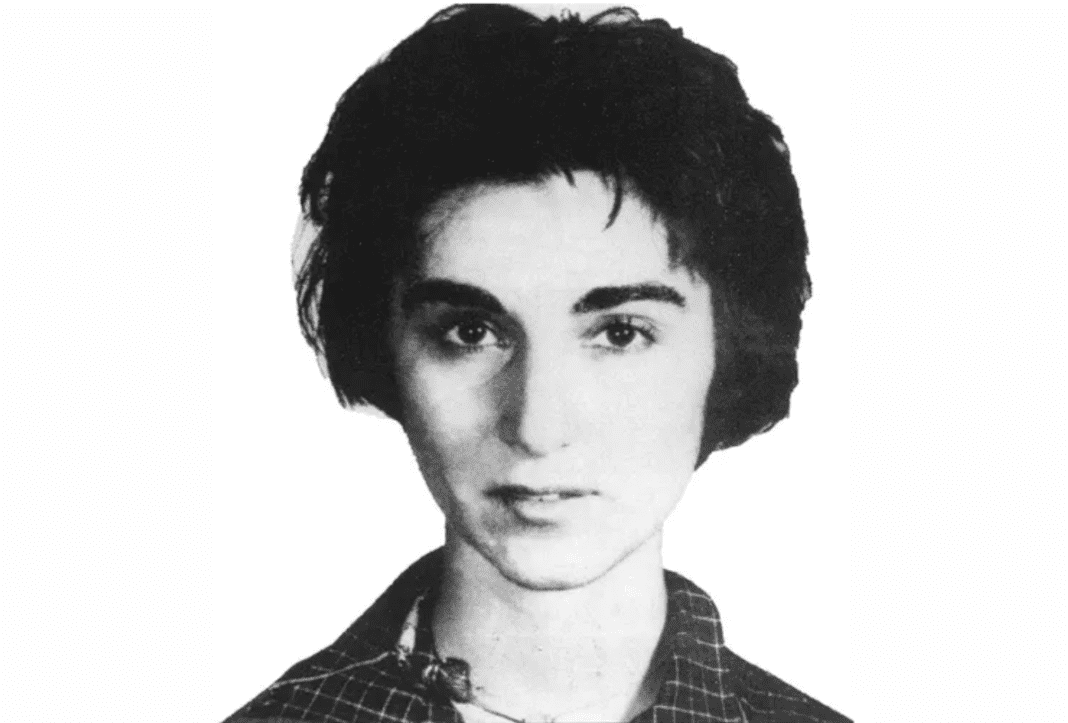

On March 13, 1964, a brutal murder in Queens, New York, shocked not just the city, but the entire nation. A young 28-year-old woman, Kitty Genovese, was killed. What was most horrifying, law enforcement officials reported that dozens of people failed to intervene, leading to the popularization of the “bystander effect.” Even worse, Kitty turned out to be the victim of a serial killer. This case is more complex than it might first appear, touching on many societal issues. Learn more about the murder of Kitty Genovese in this article from new-york-yes.
Who Was Kitty Genovese?
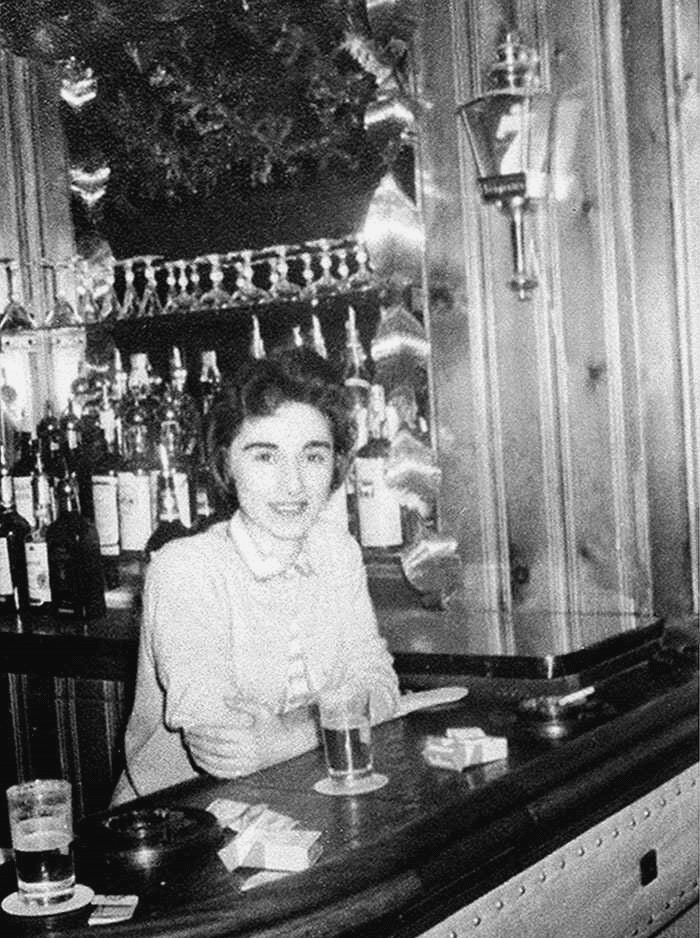
Catherine Susan “Kitty” Genovese was born on July 7, 1935, in Brooklyn, New York, to Italian-American parents Rachel (née Giordano) and Vincent Andronelle Genovese. The eldest of five children, she was raised in the Catholic tradition. Kitty spent her childhood in the Park Slope neighborhood, living in a brownstone at 29 St. Johns Place. At the time, the area was predominantly inhabited by Italian and Irish families.
In her school years, Genovese attended Prospect Heights High School. Teachers and classmates noted her confidence, maturity, and cheerful personality. In 1954, her family left New York after her mother witnessed a murder, moving to New Canaan, Connecticut. However, Kitty remained in Brooklyn with her grandparents as she was preparing for her wedding. She married that same year, but her marriage was soon annulled, which was later understood to be related to her homosexuality.
After her marriage ended, Genovese continued to live in Brooklyn and worked various clerical jobs, but found the work unfulfilling. In the late 1950s, she became a bartender, a field she found more engaging. In 1961, she was briefly arrested for taking illegal horse racing bets at the bar where she worked. She was fined $50 (equivalent to $526 in 2024) and lost her job.
Despite this setback, Genovese soon found a new job at Ev’s Eleventh Hour, a bar on Jamaica Avenue in Queens. There, she not only worked as a bartender but also effectively managed the establishment in the owner’s absence. Thanks to her hard work and willingness to work double shifts, she began saving money, hoping to one day open her own Italian restaurant.
In the early 1960s, Kitty moved to Kew Gardens, where she lived in an apartment at 82–70 Austin Street with her partner, Mary Ann Zielonko, with whom she had been in a relationship since 1963. They lived together until the tragic events of 1964, which forever changed the American public’s perception of civic responsibility and safety. Mary Ann Zielonko passed away in 2024 at the age of 85.
The Events of the Murder
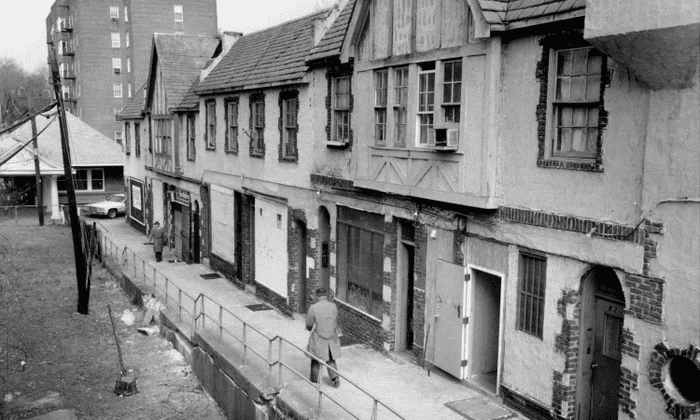
After finishing her shift at Ev’s Eleventh Hour, Catherine Susan “Kitty” Genovese was returning to her apartment in Kew Gardens, Queens. At approximately 3:15 AM, she parked her car and was walking to her home when she was attacked by Winston Moseley, a 29-year-old serial offender. He stabbed her in the back, and she screamed, “Oh my God, he stabbed me! Help me!”
It was later reported that several neighbors heard the attack, but most did not react. Moseley briefly fled but returned to attack her again, ultimately killing her. The entire assault lasted about 30 minutes, and the delay in the police response was later attributed to the supposed inaction of the witnesses.
About the Killer
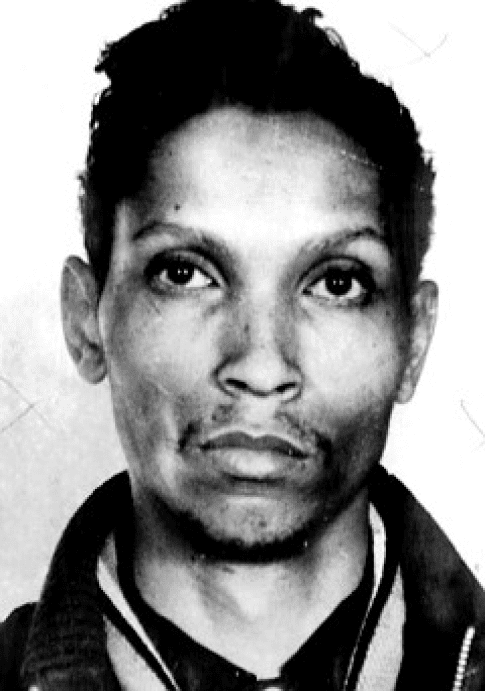
At the time of Kitty Genovese’s murder, Winston Moseley was 29 years old. He lived in Ozone Park, Queens, and worked as a tabulating machine operator for Remington Rand, where he prepared punch cards—data carriers used at the time for processing information on digital computers. Despite having a steady job, no criminal record, a wife, and three children, Moseley hid a dark side from the world.
Once arrested, he confessed to Genovese’s murder, describing the crime in detail. His testimony matched the collected evidence, confirming his guilt. During interrogation, Moseley coolly stated that his goal was simply “to kill a woman” because, in his words, they put up less of a fight. On that fateful night, around 2 AM, he left home while his wife was working a night shift as a nurse and drove through the streets of Queens searching for a victim.
Spotting Kitty Genovese returning home, he began to follow her and then attacked her in a parking lot, inflicting fatal wounds. However, this crime was not the only one in his history. During the investigation, he also confessed to the murder of two other women, who were not only brutally attacked but also sexually assaulted. In addition, he had committed about forty burglaries.
A psychiatric examination conducted after his arrest revealed that Moseley had necrophiliac tendencies, further confirming his pathological cruelty and twisted motives.
The “Bystander Effect”
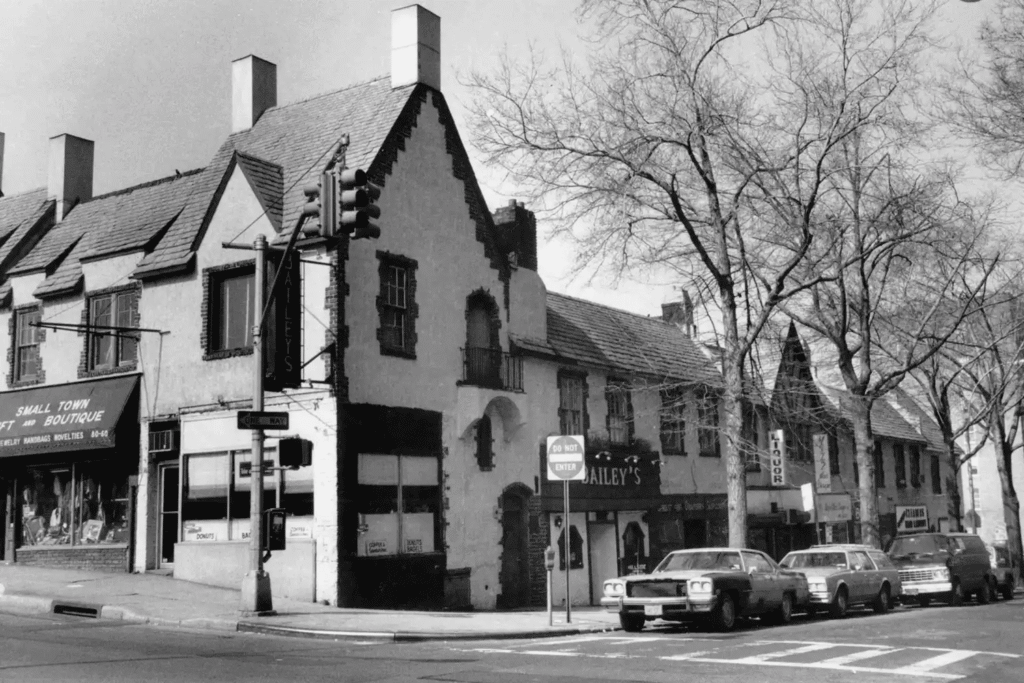
Shortly after the murder, The New York Times published a shocking front-page article claiming that 38 witnesses saw or heard the attack but did nothing to stop it. This narrative led to the creation of the “bystander effect,” a psychological theory suggesting that people are less likely to intervene in an emergency when others are present, assuming someone else will take action.
However, later investigations, including research by journalist Jim Rasenberger and a deeper analysis of police records, have challenged this theory. It turned out that some residents did try to call the police, and one neighbor even shouted at the attacker, scaring him off temporarily. The assumption that all witnesses remained indifferent was misleading.
Unanswered Questions: Did Justice Truly Prevail?
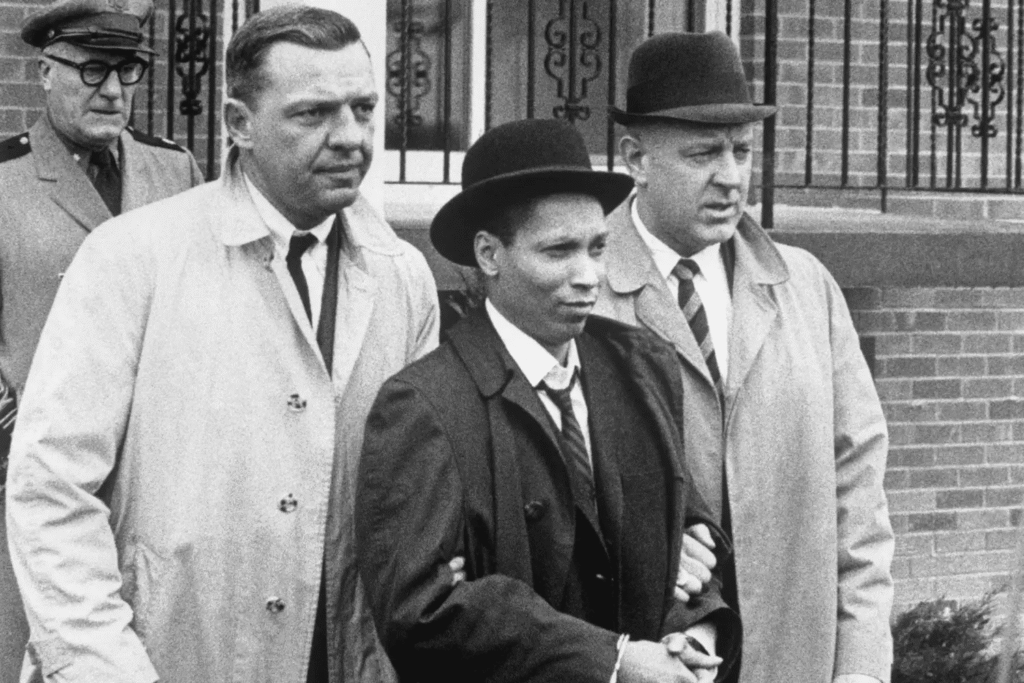
Despite Moseley’s conviction, the case remains controversial. A key question is whether the media exaggerated the witnesses’ inaction. Later reports suggest that the initial article may have distorted the truth for the sake of sensationalism.
Another mystery is why it took the police so long to respond. Some argue that systemic problems in emergency response played a larger role than bystander apathy.
The murder of Kitty Genovese had a wide-ranging impact, from psychology to law enforcement. It led to:
- The development of the 911 emergency system, making it easier for citizens to report crimes;
- The establishment of Good Samaritan laws, which protect people who assist victims in emergencies;
- Countless psychological studies on human behavior in crisis situations.
The murder of Kitty Genovese became one of the most famous crimes in U.S. history, not just for its brutality, but for the questions it raised. Although the killer, Winston Moseley, was found and convicted, the media played a major role in how society perceived this tragedy, and the controversy continues to this day. Kitty’s story is a reminder of how important it is not to remain indifferent and to help others in critical situations. Though the case is closed, the conversation around it is far from over.
- https://www.k-state.edu/care/old/law-and-crime/bystander-intervention/kitty-genovese.html
- https://people.com/what-happened-to-kitty-genovese-11691742
- https://www.nytimes.com/2016/04/05/nyregion/winston-moseley-81-killer-of-kitty-genovese-dies-in-prison.html
- https://www.researchgate.net/publication/317159239_The_Killing_of_Kitty_Genovese_What_Else_Does_This_Case_Tell_Us
- https://communitiesinc.org.uk/2024/02/16/ibad-blog-series-the-impact-of-kitty-genoveses-murder-by-shamsher-chohan/