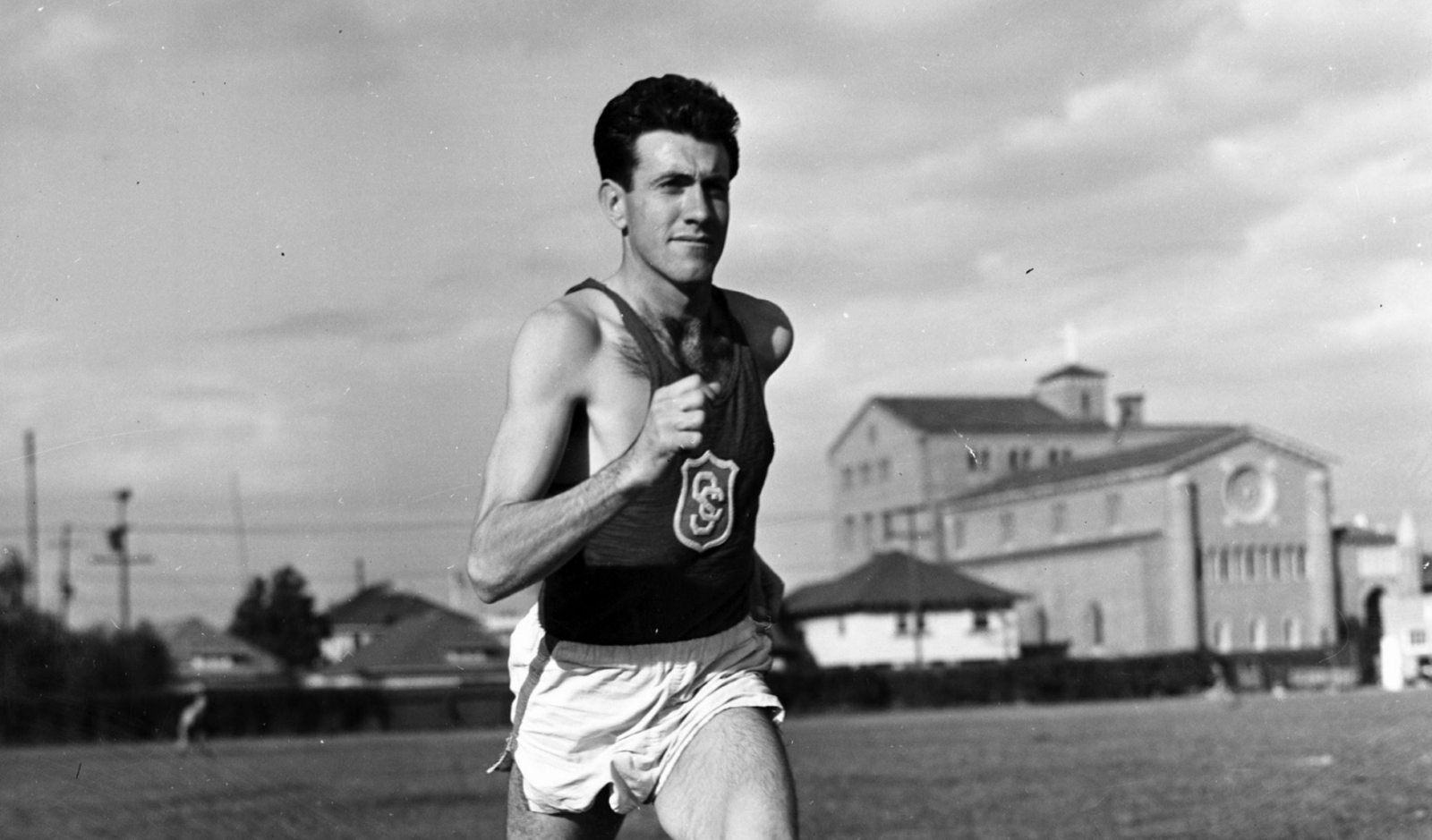

Born in New York to Italian immigrants, this remarkable individual participated in the 1936 Berlin Olympics, where he even spoke with Hitler. World War II cut his athletic career short, and he became an aerial bombardier. After a plane crash, he endured 47 days adrift in the ocean and then two years as a prisoner of war. Despite all he went through, he managed to return to a full life and become a source of inspiration for countless others. His story has been chronicled in books and films, and his name was Louie Zamperini. Read on to learn more about his incredible journey on new-york-yes.
Early Life and Athletic Pursuits
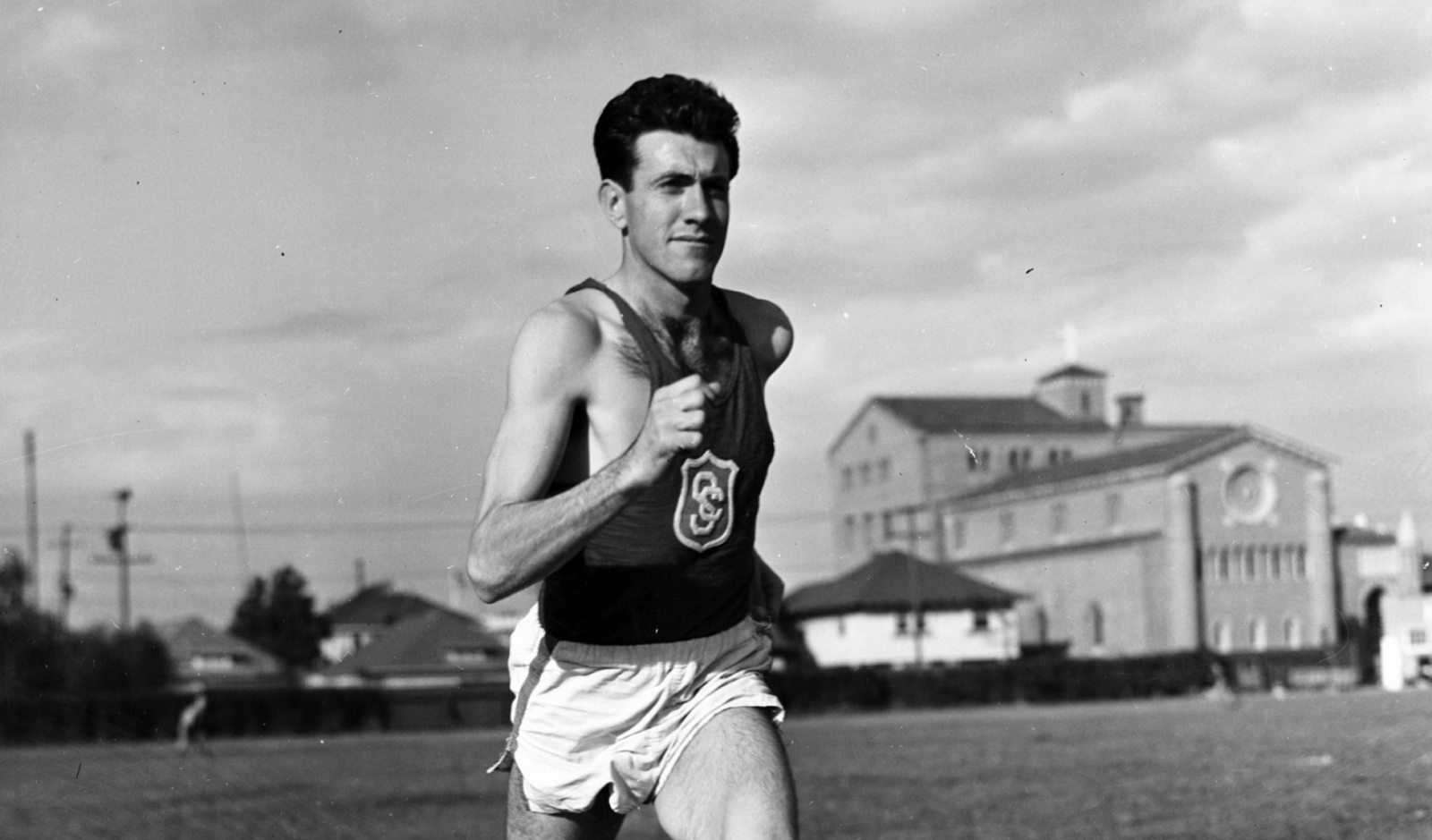
Louie Zamperini was born on January 26, 1917, in Olean, New York. His parents, Anthony Zamperini and Louise Dossi, had immigrated to the U.S. from Italy. The family, which included three other children, lived modestly.
In 1919, the family moved to California, where Louie attended high school. At the time, he wasn’t fluent in English, which made him a target for classmates and bullies. His father began teaching him to box so he could defend himself. However, Louie found himself drawn more to running alongside his older brother.
He eventually joined the school’s track team. In 1934, he competed in the qualifying rounds for the California State High School Championship. That year, Louie ran a mile in 4 minutes and 21.2 seconds, a record that stood for the next 20 years. He won the championship race with a time of 4 minutes and 27.8 seconds. His undeniable talent caught the eye of representatives from the University of Southern California, who offered him a scholarship. Even more impressively, in 1936, Zamperini made the U.S. Olympic team for the 5000-meter race.
Olympic Participation and Meeting Hitler
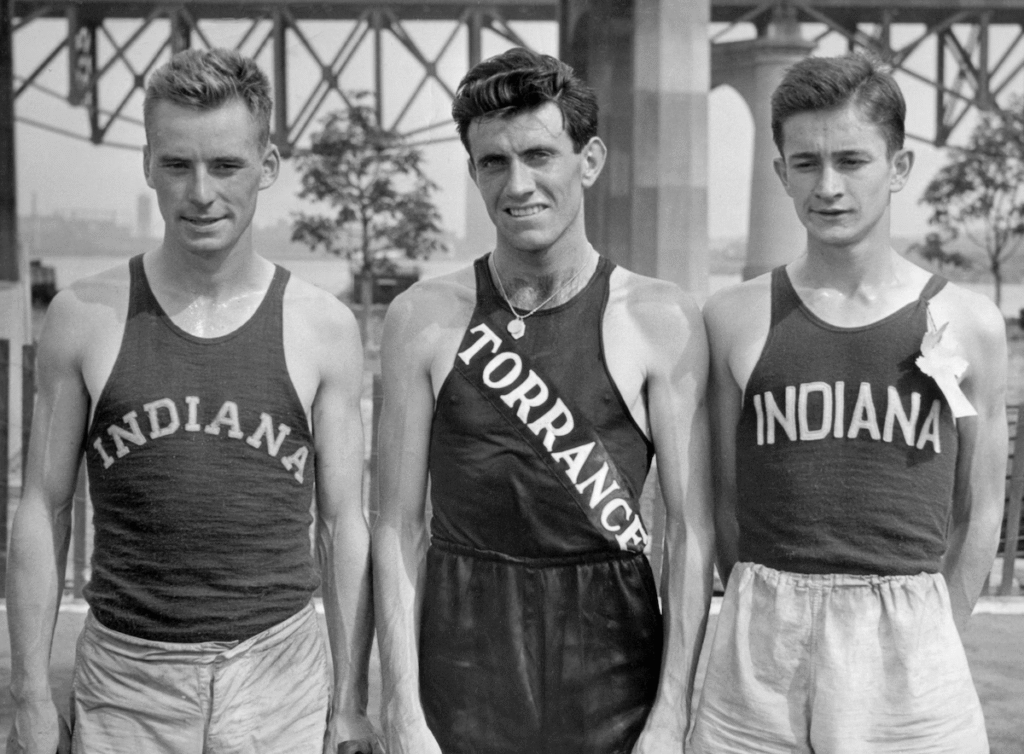
Louie Zamperini possessed a true gift for running. To qualify for the Olympic team, he underwent trials in New York. The race took place on Randalls Island, and his opponent was world record holder Don Lash. Although the trial ended in a tie, the talented young Zamperini was selected for the team.
He didn’t have much time to train—just a few weeks. Yet, in Berlin, Zamperini finished eighth, running his final lap in a remarkable 56 seconds. This achievement caught the attention of Adolf Hitler, who wanted to speak with the promising young athlete. According to Louie’s recollections, he wasn’t particularly impressed by the encounter, as he wasn’t interested in politics and saw the German leader more as a comical figure than the formidable person he truly was.
Upon returning home, in 1938, the runner set another collegiate record, running a mile in 4:08.3. This record held for 15 years. Two years later, Zamperini graduated from college and was slated to compete in the 1940 Tokyo Olympics. Unfortunately, those plans were never realized.
The War That Changed Everything
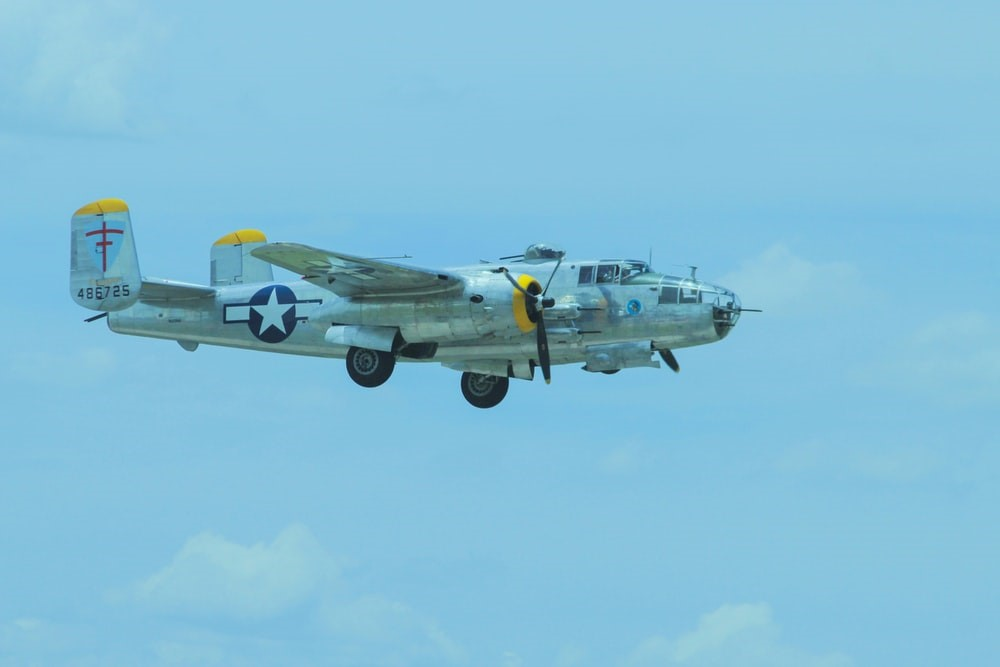
With the outbreak of World War II, the 1940 Olympics were canceled, and Louie Zamperini joined the Army Air Corps. He became a bombardier, flying combat missions. One May day in 1943, Zamperini and his crew embarked on a search and rescue mission for a downed pilot.
Over the Pacific Ocean, their plane experienced mechanical failure. The aircraft, with 11 people on board, crashed into the ocean. Only three survived the crash, including our hero. They found themselves stranded in the vast ocean with no means of communication. The airmen tied two life rafts together, but their supplies of water and food were meager.
They endured 47 days on the raft under the scorching sun, surviving Japanese strafing runs and constant threats from sharks. To stay alive, they had to kill birds, eat raw fish, and collect rainwater. One of the three perished, unable to withstand the ordeal. The two remaining men were eventually found by Japanese fishermen and handed over to the Imperial Japanese Navy. This led them to enemy Japanese territory, hundreds of miles from home, where they became prisoners of war. Sadly, this marked the beginning of another grueling chapter of trials.
Louie Zamperini was taken to the Ofuna POW camp near Yokohama. There, for two years, he endured physical and psychological torture—starvation, beatings, and relentless abuse. A camp sergeant nicknamed “The Bird” particularly despised Zamperini and was especially cruel to him. However, the Japanese discovered that this American had once been an Olympic athlete, which ultimately saved him from execution.
Meanwhile, in the U.S., one year and one day after his fateful flight, Louie Zamperini was officially declared killed in action. Only after the war ended was he able to return home and resume a normal life.
Post-War Life
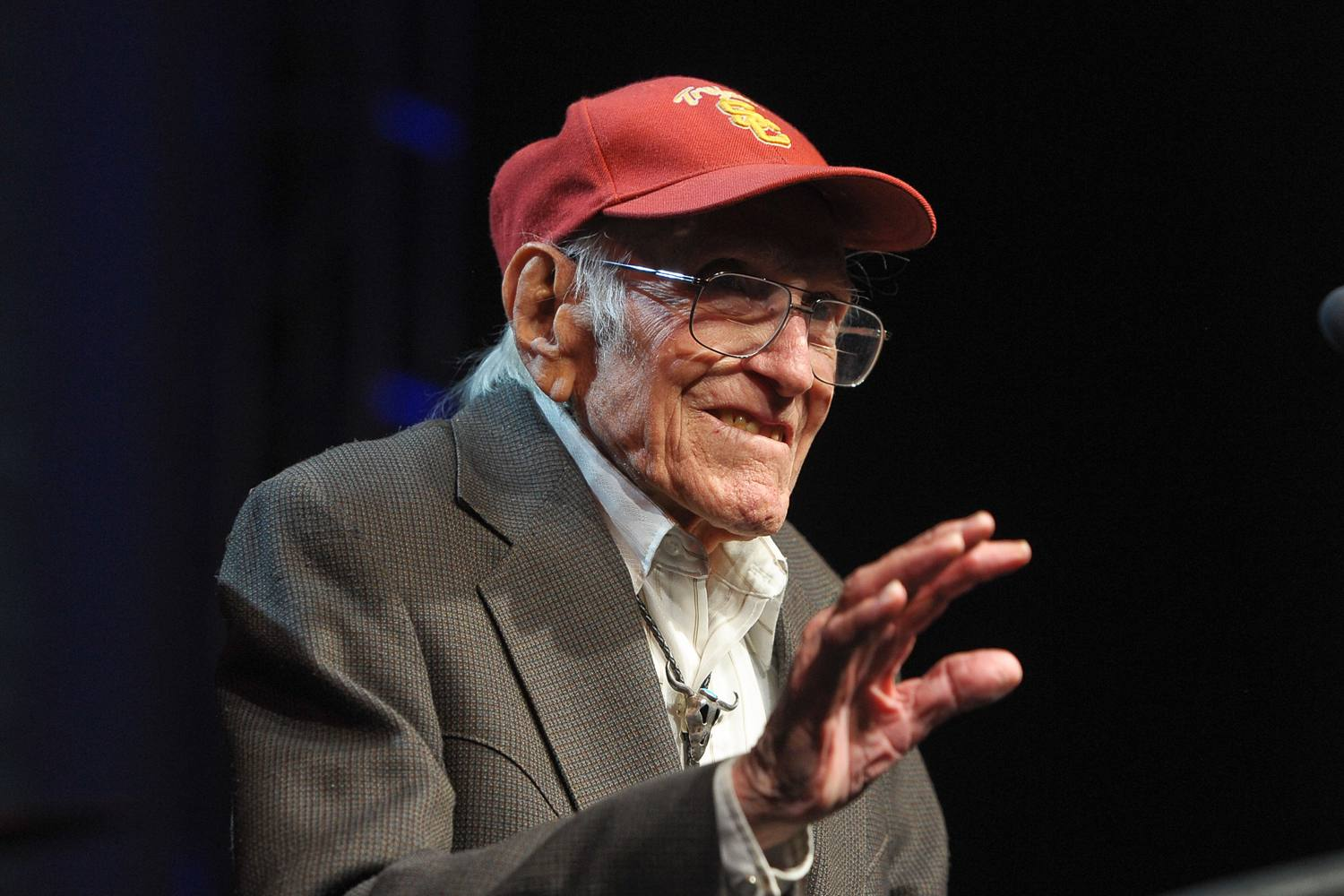
In 1945, Zamperini was honorably discharged as a captain. The following year, he married Cynthia Applewhite. However, his return to normalcy was far from easy. After everything he had endured, he began to struggle with alcoholism and suffered from severe post-traumatic stress disorder. This put a tremendous strain on his marriage, pushing it to the brink of collapse.
Zamperini’s life took a dramatic turn after he heard a sermon by Billy Graham in Los Angeles in 1949. Following this, he joined the evangelical organization “Gideons International” and founded a camp for troubled youth.
In 1950, he was invited to Japan, where Louie Zamperini testified about the conditions of the POW camps. He also had the opportunity to meet most of the guards from the camp where he had spent two horrific years. Remarkably, he forgave his tormentors, telling them so in person.
In 1984, the former athlete was invited to carry the Olympic torch at the Summer Olympics in Los Angeles. Four years later, he participated in the Olympic torch relay during the Winter Olympics in Japan.
Beyond his athletic achievements, this courageous and resilient man became an inspiring speaker. He authored two memoirs titled “Devil at My Heels.” His life was extensively detailed by Laura Hillenbrand in her book “Unbroken: A World War II Story of Survival, Resilience, and Redemption,” published in 2010. In 2014, acclaimed actress Angelina Jolie directed a film based on the book, also titled “Unbroken,” and four years later, its sequel, “Unbroken: Path to Redemption,” was released.
Louie Zamperini lived to be 97 years old, passing away from pneumonia on July 2, 2014.
Life Lessons from Louie Zamperini

In Torrance, California, an airport, a school, and a high school rugby stadium have been named in honor of Louie Zamperini. In 2008, he was inducted into the National Italian American Sports Hall of Fame in Chicago. But most importantly, beyond the story of his life, this man left us with the enduring principles he lived by:
- Keep moving forward, no matter what. Louie Zamperini spent many days on a life raft in the middle of the ocean and two years in a POW camp. Throughout it all, he created small daily tasks for himself and focused on what he could control.
- Never lose hope. According to Zamperini, it was hope that helped him overcome all the horrors.
- Help others. Amidst all the difficult events he faced, he tried to care for those around him. In the POW camp, he would share his parents’ Italian recipes and do everything he could to boost the morale of others.
- Have a purpose in your life that is bigger than yourself. After returning from captivity, Zamperini realized he yearned for something more than personal freedom. This realization helped him overcome his crisis.
- Forgive others. Despite everything he endured, Louie Zamperini found the strength to forgive his tormentors and even told them so in person.