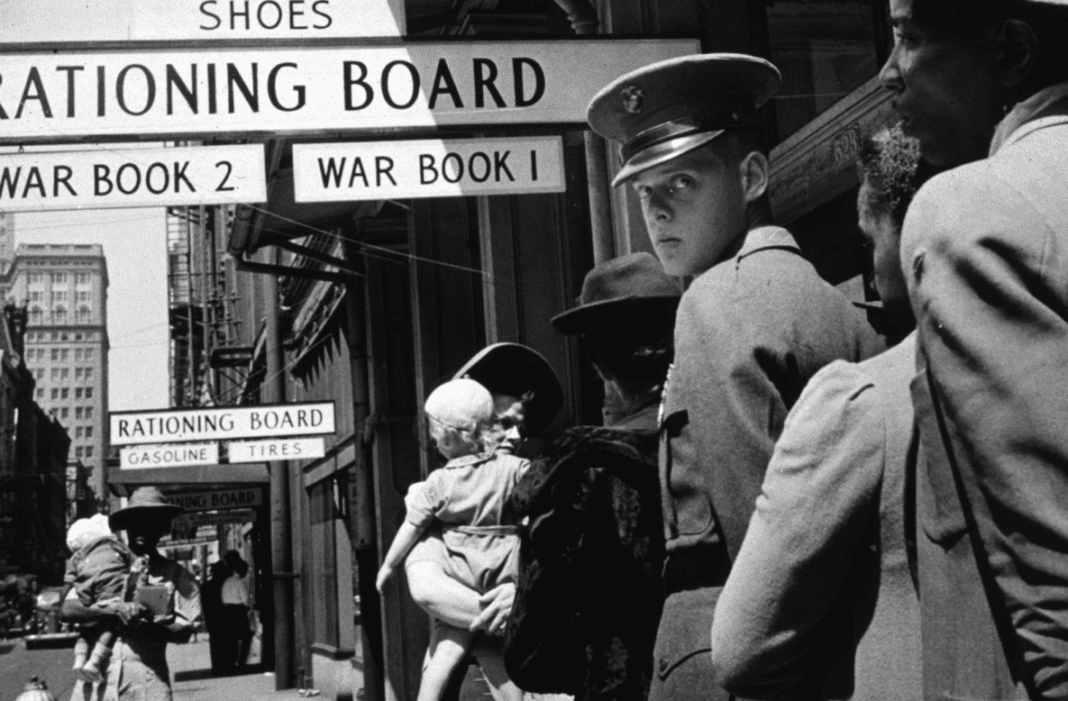

The Second World War impacted every corner of the world. It did not bypass the city of New York. Although no military or other operations took place on the territory of the city, it nonetheless experienced economic difficulties. It should be noted that during the military conflict, New York served as the rear for the US Army and its allies, supplying them with equipment and ammunition. During World War II, the city was home to many industrial enterprises that were reassigned to meet the army’s demands. As a result, increased industrial activity, changes in the economy and the city’s rapid growth all had their effects. How did World War II affect New York’s economy? Learn more at new-york-yes.
New York City’s industrial growth during World War II
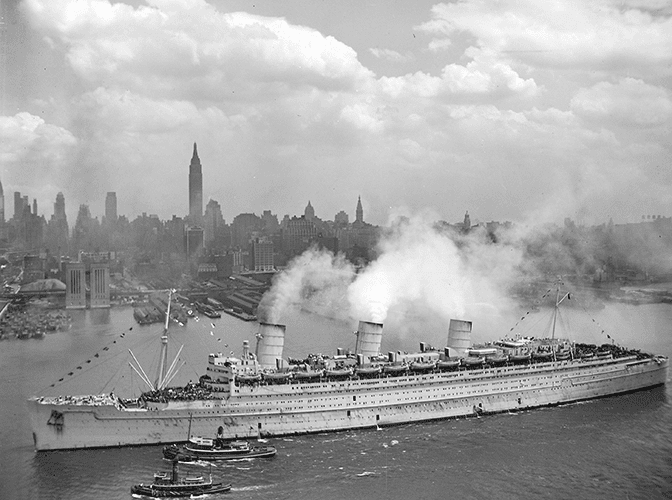
Although World War II began in 1939, the United States did not enter the conflict until 1941, after the unforeseen attack on Pearl Harbor. Only then did New York emerge as a significant rear industrial center, supplying the country’s army and allies.
Wartime work was extremely difficult and exhausting. New York’s factories and shipyards worked around the clock to produce huge amounts of military equipment. The Brooklyn Navy Yard, one of the world’s largest shipyards, was busy building and repairing battleships, aircraft carriers and other warships. During World War II, employment at the Navy Yard increased considerably, which, in turn, reflected the urgent demand for laborers.
Other urban industrial facilities also played an important role. Factories in the Bronx, Brooklyn, and Queens were transformed for wartime utilization. Everything was produced there, including ammunition and military clothes. Since wartime demands were so high, there was a considerable increase in industrial activity in New York, providing work for tens of thousands of city residents. Furthermore, the growth of industry and the needs of the US Army prompted New York entrepreneurs to incorporate innovative technology into their manufacturing operations and improve production processes in order to increase job efficiency.
Changing gender roles
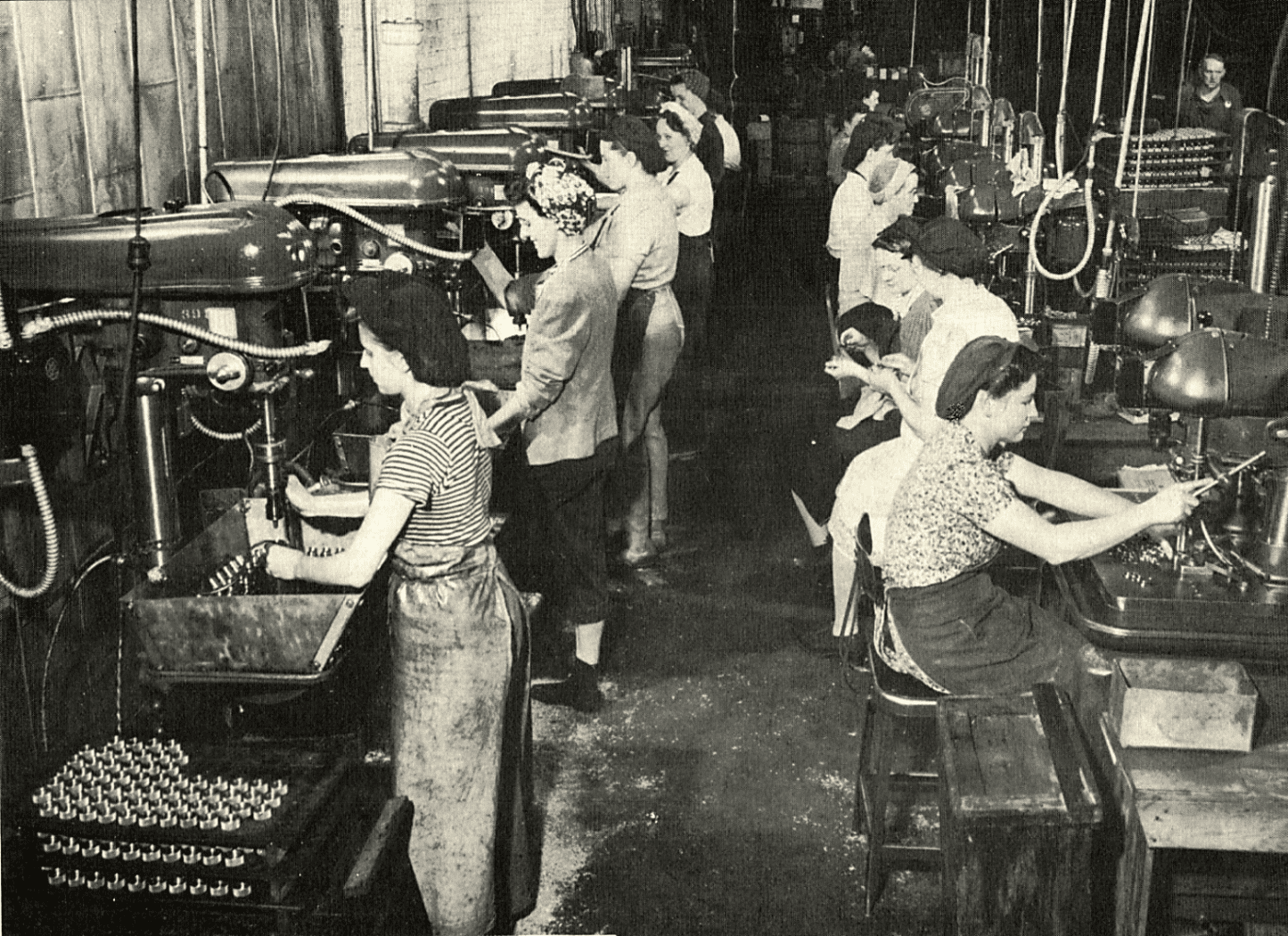
The Second World War in New York significantly transformed the working environment. While only men worked in industrial companies before the war, during wartime, women were the ones to take their positions. Such changes in enterprises were caused by the fact that the majority of New York’s male population served on the front lines.
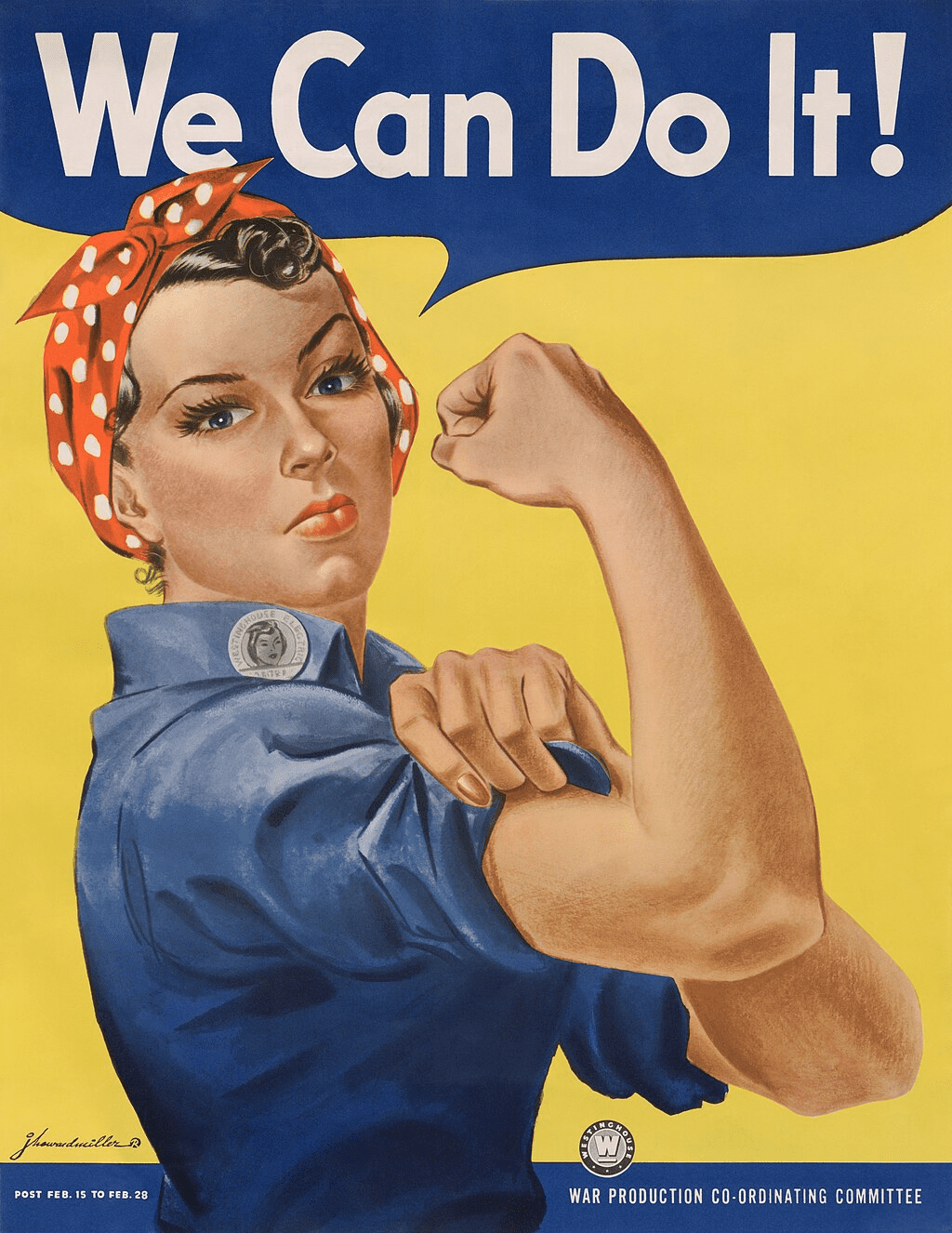
Women received the opportunity to work at local factories and shipyards. Women’s work and enthusiasm during World War II were captured by New York artist and illustrator Norman Rockwell in his work Rosie the Riveter.
It should be noted that by 1944, women accounted for over one-third of the Brooklyn Navy Yard’s workforce. World War II not only impacted the city’s industrial and economic sectors, but it also challenged previously accepted views regarding traditional gender roles in society. All of this has fueled future movements for gender equality in the workplace.
African Americans and other minority groups in New York were also affected by the military conflict. Thanks to the opportunities that have arisen, they have discovered new possibilities of employment that they did not have previously, as they were frequently subject to prejudice and segregation. The wartime economy gave minorities a foothold in industrial jobs, laying the groundwork for the postwar promotion of civil rights.
The city’s economy in all its glory
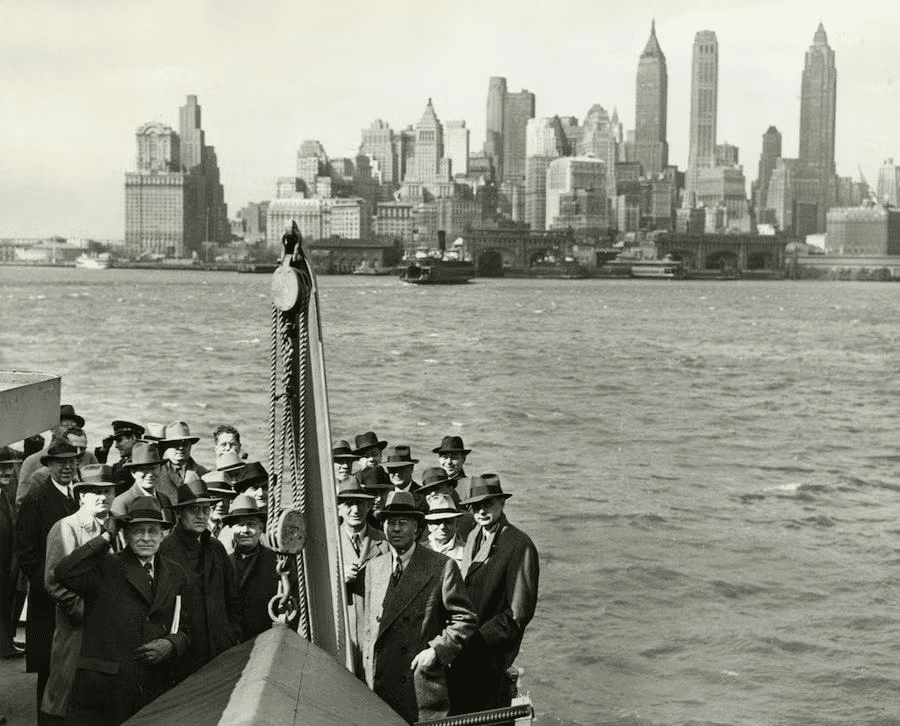
It should be mentioned that increased wartime production aided New York’s economic diversification. Before the outbreak of World War II in New York, the financial sector was most likely the largest. During the military conflict, it grew dramatically as the government began to sell war bonds to fund military costs. As a result, New York’s financial center, Wall Street, has emerged as an active hub of military funding.
During the Second World War, the retail and service sectors experienced substantial expansion. Such changes were fueled by increased employment, as well as higher wages. As a result, during the war, New Yorkers had greater income to spend on consumer goods, entertainment and food.
Wartime problems that did not bypass New York
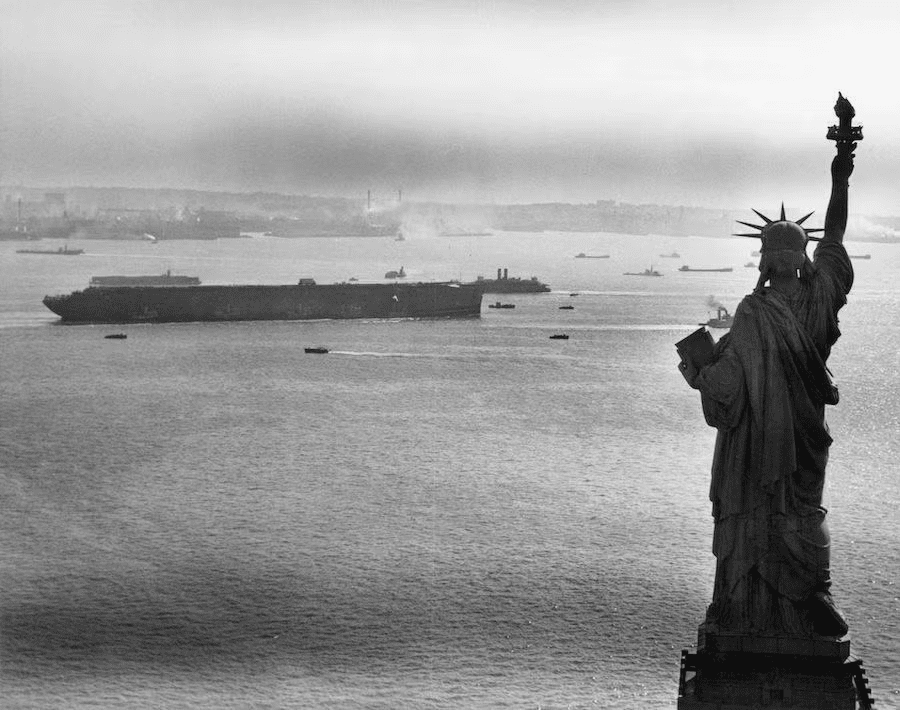
Although there was an industrial and economic boom in New York during World War II, the city was not spared other difficulties. These had a particularly significant impact on the city’s infrastructure. The issue was that during the war in New York, there was an enormous influx of refugees, immigrants and laborers. All of them needed housing, which was simply lacking in the city. It should be recalled that New York City suffered from overpopulation even before the war began, and the Second World War significantly worsened the situation.
However, the economic boom was not without its drawbacks. The rapid influx of workers into the city created housing shortages, increasing already overcrowded living conditions in many areas.
Furthermore, the public service was tasked with handling major problems related to health and education. The schools and hospitals in New York City were overcrowded.
Post-war problems in New York
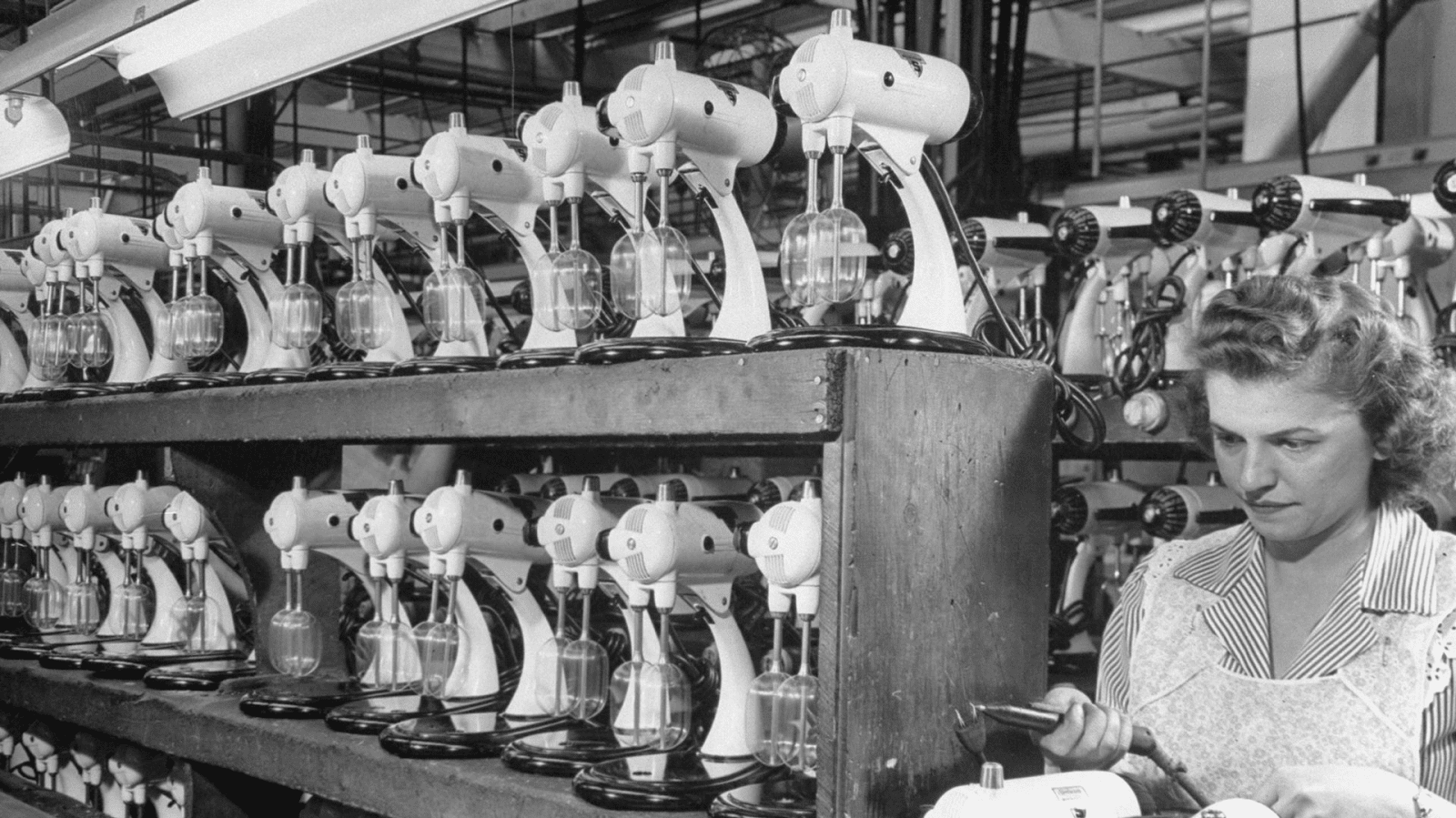
When World War II ended in 1945, the New York government faced the tough challenge of transitioning from a wartime to a peacetime economy. If the wartime economy was fueled by the expansion of industry, jobs and urban prosperity, the postwar economy brought a reduction in military contracts, a decline in production and a potential increase in unemployment.
However, thanks to the fact that the war radically changed the city’s economic landscape, New York entered the postwar period with a more diverse economy and a stronger industrial base. The advances in technology and the industrial potential created during World War II laid the groundwork for postwar prosperity in a variety of sectors.
Furthermore, the experience gained in every aspect of New York City’s life during World War II accelerated the city’s transformation into a global economic center. The financial sector remained dominant, while the city’s industrial base laid a solid foundation for future economic growth.
Social changes in New York were equally important. The inclusion of women and minorities into new jobs has acted as a catalyst for dismantling previously accepted stereotypes. The war years were a watershed moment in terms of inclusivity and equality in the workplace.
The economic foundations laid during World War II served as a driving force for New York’s consequent post-war prosperity and crisis avoidance. Following the war, New York not only remained afloat, but also emerged as the center of innovation, finance and culture.
One of the key factors contributing to New York’s economic recovery was the diversification of industry. During the war, the city grew into a major manufacturing hub, producing everything from military equipment to clothes. Following the end of the war, many of these production facilities were immediately redirected to civilian purposes, which served as an impetus for the development of new industries such as automotive, electronics and pharmaceuticals.