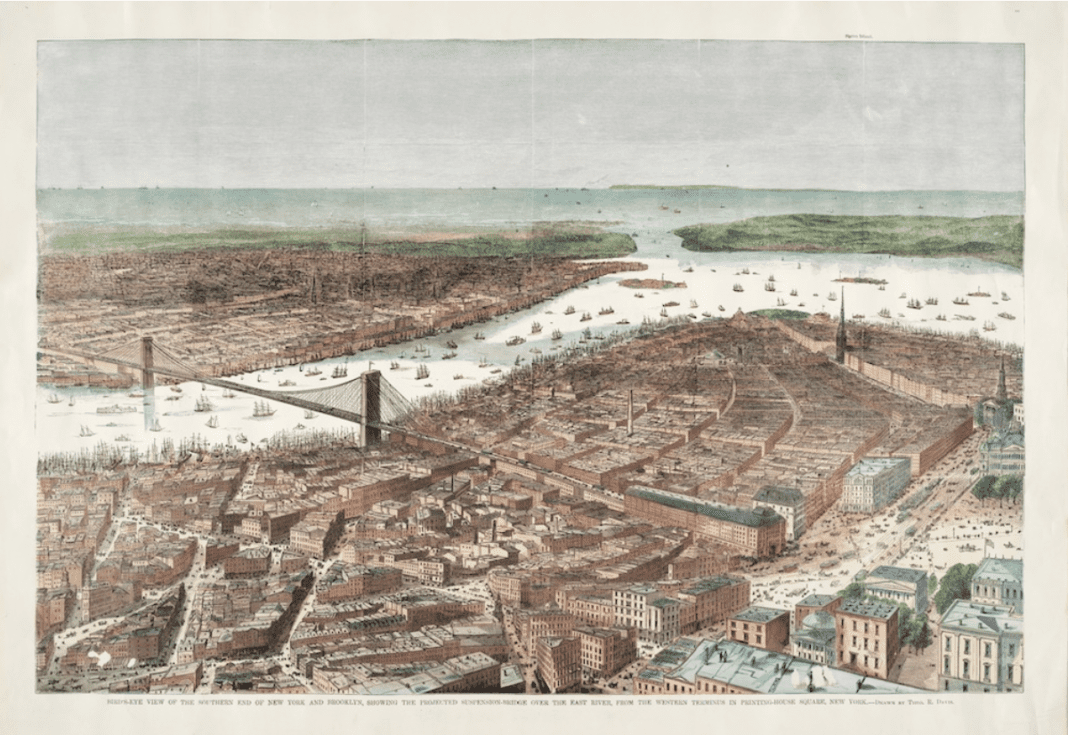

In the 21st century, New York is a bustling metropolis with thousands of skyscrapers. But why did New York reach such a level of development? It is clear that none of this would have been possible without the competent policy of its mayors. Throughout the history of the development of New York, there have been more than a hundred mayors. Thomas Willett was the first to contribute to the city’s prosperity. Moreover, he was one of the originators of the evolution of one of the largest cities in the world. Thomas Willett, the first mayor of New York, left an indelible mark on the history of the city in the 17th century. Learn more at new-york-yes.com.
Who was Thomas Willett?
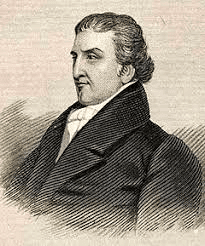
Willett came from England. He was born in 1605, and when he grew up, he went on a journey that ultimately determined the fate of the settlement across the Atlantic. Guided by an entrepreneurial spirit and firm determination, he set out for the New World in pursuit of new opportunities. Arriving in Plymouth, Massachusetts, in 1629, Willett quickly became involved in the affairs of the colony. In particular, he traded with furs and bought and developed lands of the Plymouth Colony. He was also a Captain of the militia and a Magistrate of the colony. The activism led Willett to become the first mayor in the history of New York.
The first mayor of NY
Willett served two terms as mayor of New York. He was the first and 3rd mayor of this city. The first term on this post lasted from 1665 to 1666, and the second was in the period from 1667 to 1668. Under his leadership, the city prospered and developed, and his rule was characterized by justice, diplomacy and commitment to the common good. He had no idea that his experience of working and trading in the colony would make him even more significant in shaping the future of the city.
In 1665, England officially took control of the Dutch colony of New Amsterdam and renamed it New York in honor of the Duke of York. With the change in leadership, there was a need for local administration, and it was Thomas Willett who was elected to become the new city’s first mayor.
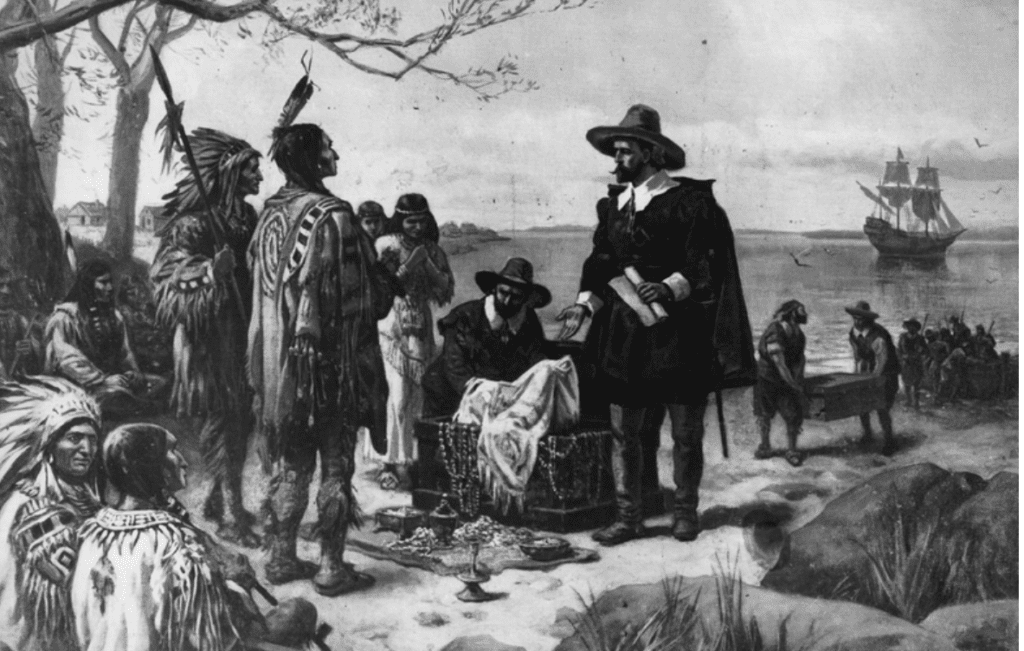
Willett’s tenure as head of New York was marked by remarkable achievements. He supervised the construction of the city’s first public well, initiated the establishment of a public school and improved sanitation in the city. In addition, Willett managed to develop positive relations with neighboring Indian tribes, ensuring peaceful coexistence and economic cooperation.
Willett’s unique combination of pragmatism, charisma, and diplomacy made him popular among the different social strata of NY. His management laid the foundation for a tradition of mayoral leadership that continues even in the 21st century. As the city has grown and evolved, his legacy and achievements have become the basis for the next mayors. Therefore, New York’s status as a global center of commerce, culture and innovation was cemented.
Thomas Willett’s fascinating story demonstrates that new characters often influence the course of history. While the accomplishments of New York City’s current mayors are widely known, it’s important to remember the first leader who started the progress. Willett’s legacy lives on in the spirit of innovation, continuing to define the city he helped to create.
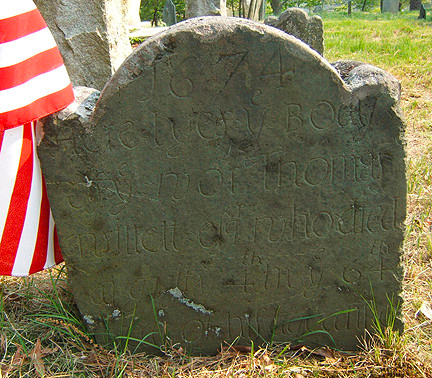
Although Willett was mayor for only two years, he provided an impetus for the future development and prosperity of the newly formed city of New York. After retiring in 1668, he continued to engage in land holding and trade in Plymouth Colony until he died at 67 in 1674. Willett left behind a large fortune, which was divided among his children, servants, local schools and churches. Willett was not just the first mayor of New York, a smart merchant and politician but also one of the richest men in the colony in the 17th century.