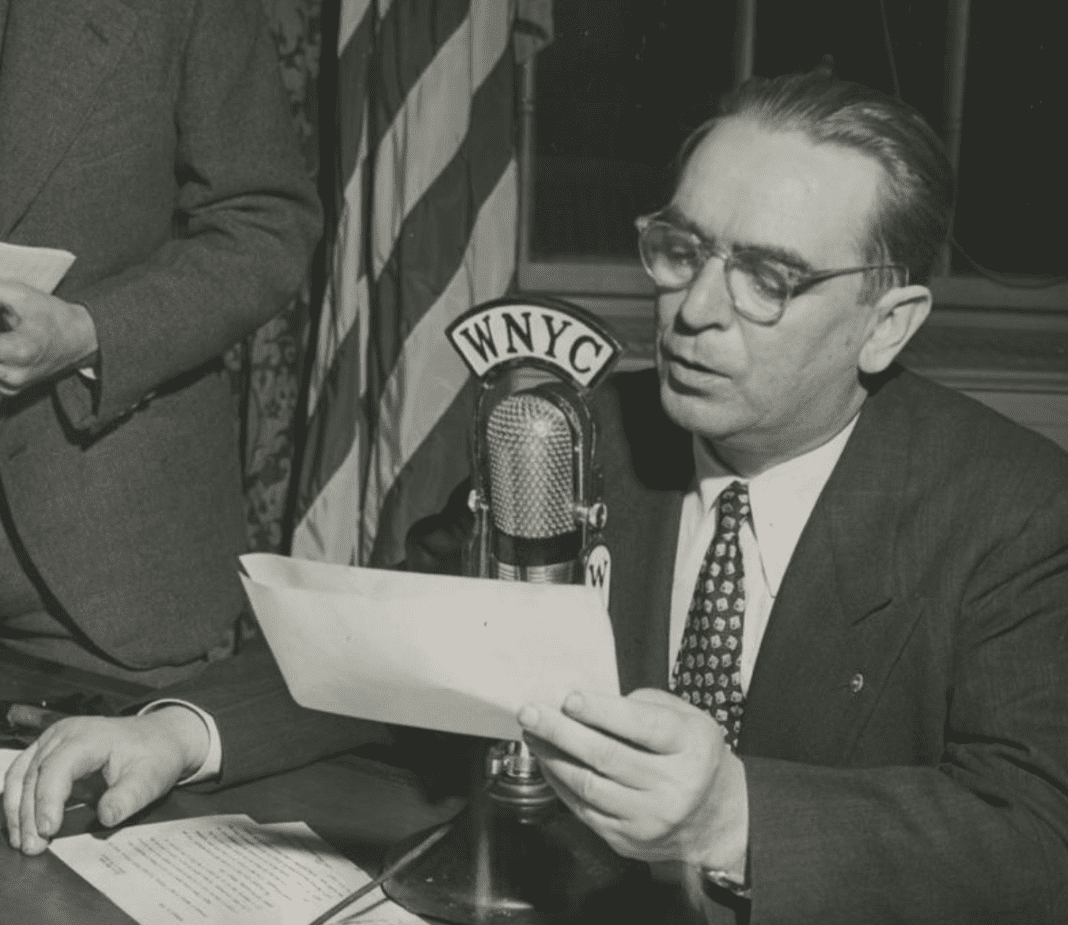

Throughout the history of New York, there were many mayors, from Fiorello La Guardia to Rudolph Giuliani, and each of whom left an imprint on the city’s development. Every mayor has implemented plans and projects to improve the urban environment while in office. William O’Dwyer, the 100th Mayor of New York, stood out among these notable figures. He was one of the most prominent personalities in the history of the formation of NY. Achieving great triumphs and overcoming many challenges, he left a rich legacy that still shapes the city. Read more at new-york-yes.com.
The story of the 100th NY Mayor
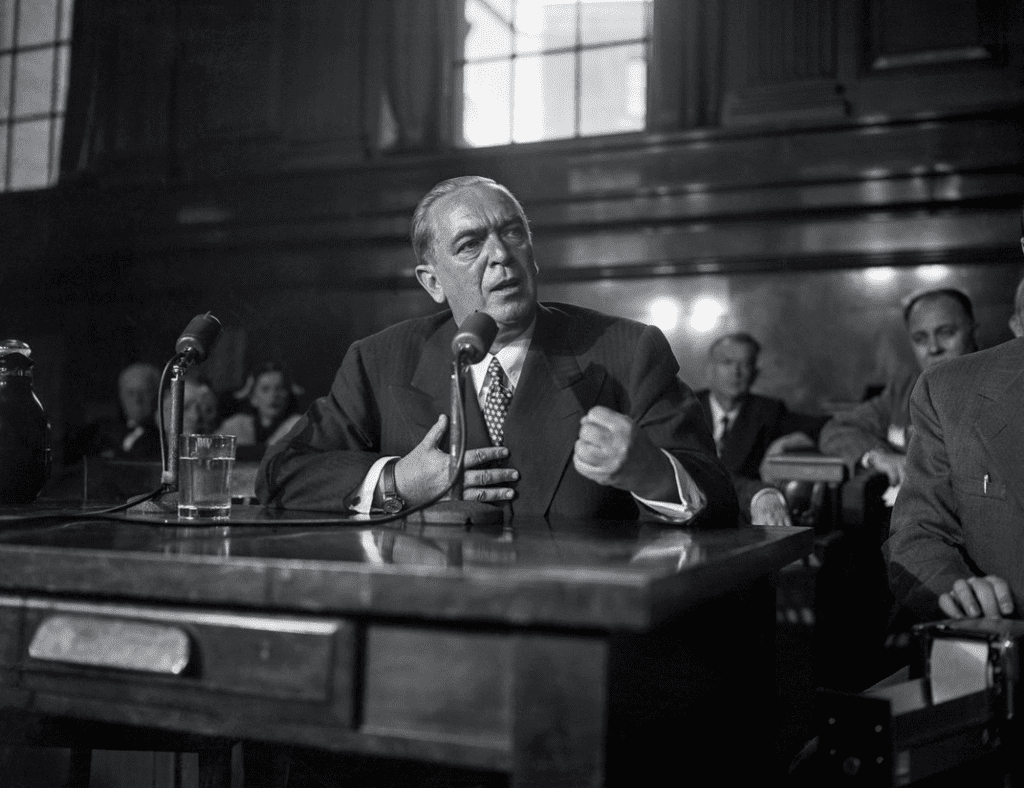
The future mayor of New York, William O’Dwyer, was born in 1890 in Bohola, County Mayo in Ireland. He immigrated to the United States as a teenager. He later settled in New York, where he worked first as a handyman and then as an NYPD officer. While working, O’Dwyer studied law at night at Fordham University Law School.
After graduating from university, he began his successful career as a lawyer. He got attached to the city so much and wanted somehow to contribute to it. Serving at the Democratic Party, O’Dwyer gradually rose through the ranks. A big breakthrough happened in O’Dwyer’s political career when he was elected to the United States Congress in 1932, representing a New York congressional district. Soon, in 1939, he won election as Kings County District Attorney. In this position, he became known for the Murder, Inc. case.
Mayoralty
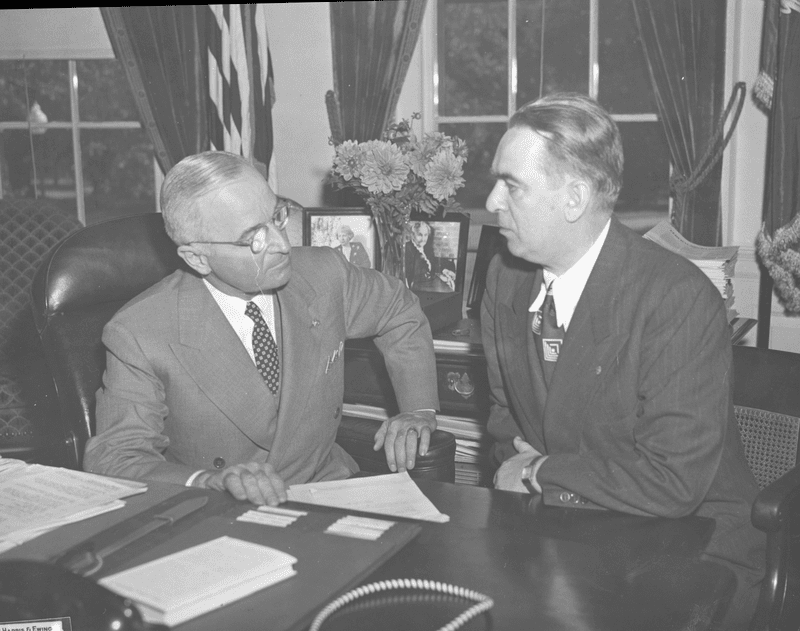
New Yorkers were very enthusiastic about O’Dwyer’s mayoral campaign in 1945. After all, they were eager for changes and stability after World War II. O’Dwyer, for his part, promised to tackle the city’s acute problems, including the corruption and organized crime that had plagued New York for years before and after the war. O’Dwyer’s campaign was supported by many people, and in January 1946, he became the 100th Mayor of New York.
During his tenure, O’Dwyer carried out numerous reforms that changed the city’s infrastructure and improved the quality of life for its residents. He invested considerably in public housing, promoting the construction of thousands of affordable accommodation units across the city. Moreover, O’Dwyer initiated urban renewal projects that revived abandoned areas such as the Lower East Side and Harlem, contributing to economic growth and reduced crime rates.
One of O’Dwyer’s notable achievements was his commitment to civil rights. He advocated racial equality and aimed to desegregate public schools, parks and housing projects. Owing to the policies of O’Dwyer, in the first half of the 20th century, New York gained a reputation as a multicultural and diverse metropolis.
However, O’Dwyer’s mayoralty in the 1940s was marked by some controversy. In particular, in 1949, he faced accusations of corruption among law enforcement agencies that were involved in fighting organized crime. These allegations sullied his reputation, forcing him to resign in 1950 to avoid impeachment proceedings. O’Dwyer’s resignation marked the end of his political career. Nonetheless, his contribution to the city during his tenure should not be underestimated.
After leaving office, O’Dwyer got back to private law practice and continued public activism. He served as the United States Ambassador to Mexico from 1950 to 1952.
In the 21st century, William O’Dwyer remains one of New York’s famous politicians. He has left an immense legacy in the city’s history despite his name being besmirched by corruption scandals.
After leaving the post of ambassador in 1952, O’Dwyer kept living in Mexico until 1960. He was 74 when his heart stopped beating in 1964. O’Dwyer devoted his whole life to politics and the development of the city he once fell in love with.