Born in New York City, Edward Koch went on to become the city's mayor, serving three consecutive terms. Under his leadership, the metropolis overcame a severe economic crisis and rising crime rates, navigated labor strikes and the AIDS epidemic, and saw improvements in many aspects of daily life. Koch’s deep affection for New York—and specifically Greenwich Village, where he settled in the 1950s—was legendary. Shortly before his passing, he famously remarked: "At age 88, I wake up every morning and say to myself: 'Well, I'm still in New York. Thank you, God.'" Read more on new-york-yes about the life and legacy of Ed Koch, the Mayor of New York.
Early Life and Background
Edward Irving Koch was born in New York City on December 12, 1924. His parents were Polish-Jewish immigrants who had emigrated to the U.S. from Eastern Galicia. Koch was proud of his roots; later, as mayor, he actively supported the Ukrainian community in New York and frequently attended their organizational gatherings.
While his father worked in the theater industry, young Edward also had a taste for the stage. He graduated from South Side High School in Newark in 1941, and two years later, was drafted into the U.S. Army.
After completing basic training in South Carolina, Koch joined the 104th Infantry Division. He was deployed to Europe in September 1944. For his service, Edward was awarded the European-African-Middle Eastern Campaign Medal with two service stars, as well as the World War II Victory Medal.
Following the Allied victory, he was stationed in Bavaria. His fluency in German allowed him to assist in vetting candidates for public office, ensuring that those with Nazi sympathies were excluded from government positions. Koch was honorably discharged in 1946 with the rank of Sergeant.
Post-War Life and Political Career

Upon returning to his hometown, Edward Koch continued his education. He graduated from the City College of New York in 1945 and earned his law degree from New York University School of Law three years later. From 1949 to 1964, he practiced law, eventually becoming a partner at the firm "Koch, Lankenau, Schwartz & Kovner."
Simultaneously, Edward was drawn to politics, driven by a desire to change the lives of New Yorkers for the better. He joined the Democratic Party and made his first bid for the State Assembly in 1962, though that campaign was unsuccessful.
His primary adversaries were Carmine DeSapio and the powerful Tammany Hall political machine. In 1963, Koch defeated DeSapio to become the Democratic District Leader. By 1967, the energetic activist had won a seat on the City Council, and just a year later, was elected to Congress.
From that point on, Koch left his legal career behind to focus entirely on public service. He remained in Congress until his victory in the 1977 New York City mayoral election.
Ed Koch: A Three-Term Mayor
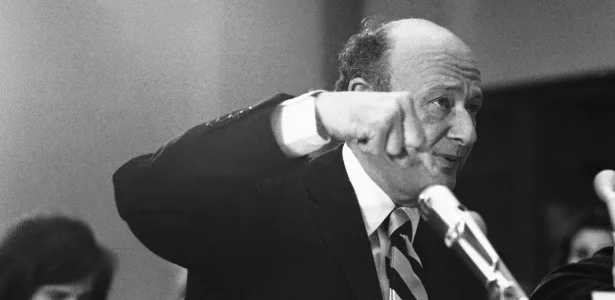
When Ed Koch first took office, New York was facing crises on multiple fronts. The economy was in shambles due to a fiscal crisis, crime rates were climbing, and the city was reeling from a massive blackout and subsequent looting.
The new mayor began by implementing strict austerity measures to stabilize the city's financial situation. During his first term, Koch also had to navigate labor strikes, host the Democratic National Convention, and work to establish diplomatic ties with Beijing.
Overall, his administration was viewed as successful, leading New Yorkers to elect Ed Koch for a second term. Key events from this period included:
- the 100th anniversary of the Brooklyn Bridge;
- the 40th anniversary of the United Nations;
- the appointment of the first African American police commissioner;
- the onset of the AIDS epidemic and the fight against it.
Despite his progressive image and drive for reform, Koch didn't always toe the liberal line. He supported the death penalty, expanded the police force, and advocated for broad police powers in dealing with the homeless population. These stances often drew sharp criticism from the ACLU and African American leaders.
Nevertheless, he retained the support of everyday residents. His first memoir, Mayor, published in 1984, became a bestseller and was even adapted into a Broadway musical. The city reaffirmed its trust in Koch, re-electing him for a third term in 1985.
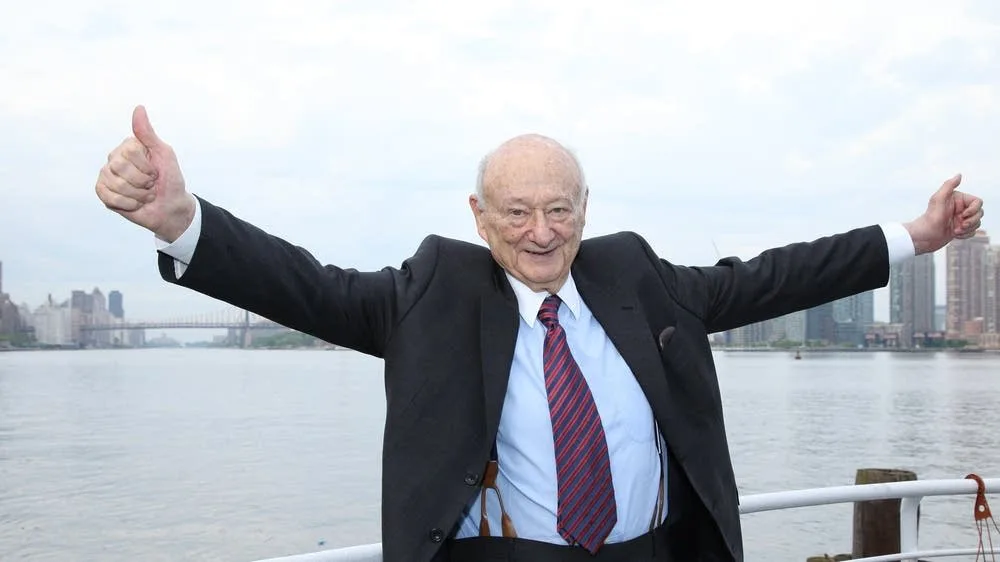
During his third term, although generally supportive of the LGBT community, the politician moved to restrict certain rights legislatively due to concerns over the spread of AIDS—a move that immediately damaged his popularity. In the summer of 1987, Koch attempted to ban bicycles from Fifth, Park, and Madison Avenues on weekdays, but the proposal was scrapped following protests from cyclists.
Koch later faced a series of corruption scandals involving his administration. While it was never proven that the mayor financially benefited from the schemes, they tarnished his reputation. In 1982, he ran for governor but was unsuccessful. Voters favored his opponent, Mario Cuomo, perceiving him as the more progressive candidate.
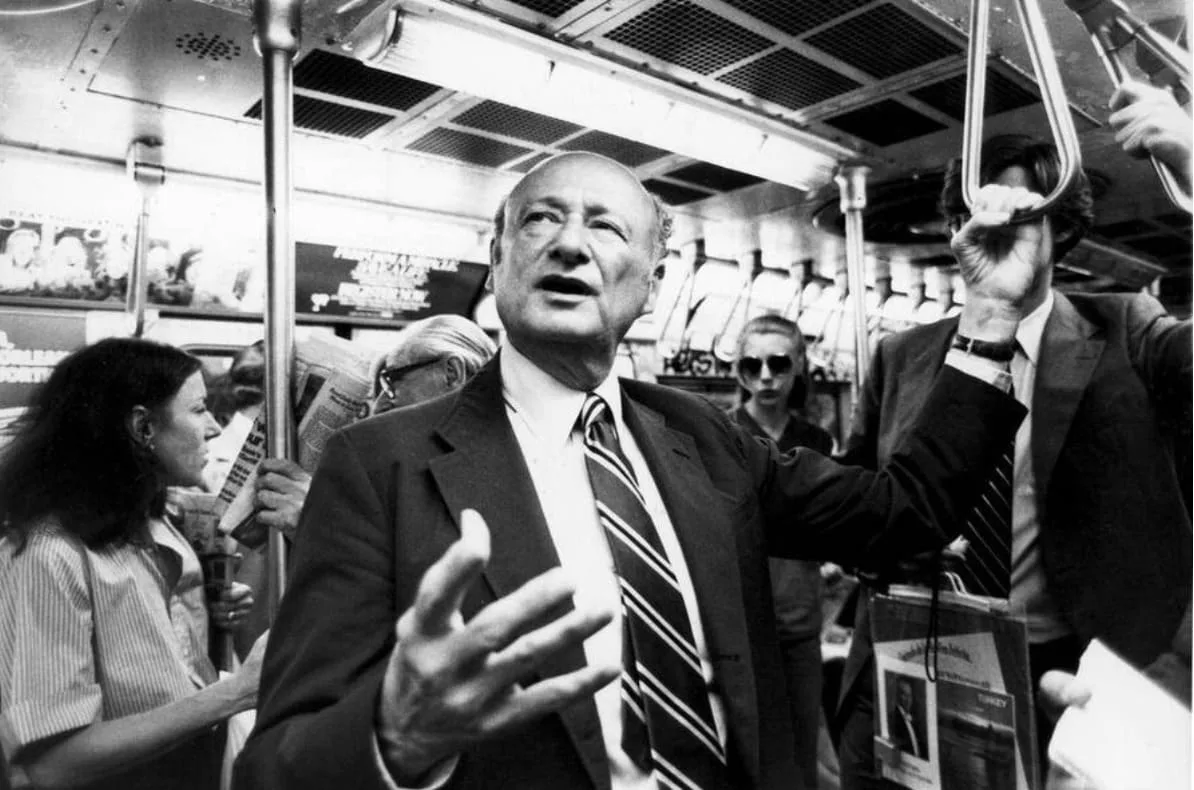
Despite this, Edward Koch’s sincere love for New York—and especially for Greenwich Village—never faded. He enjoyed interacting with locals and famously continued to use the subway system. After leaving City Hall, he returned to the Village, moving into an apartment at 2 Fifth Avenue overlooking Washington Square Park.
Personal Life and Passing
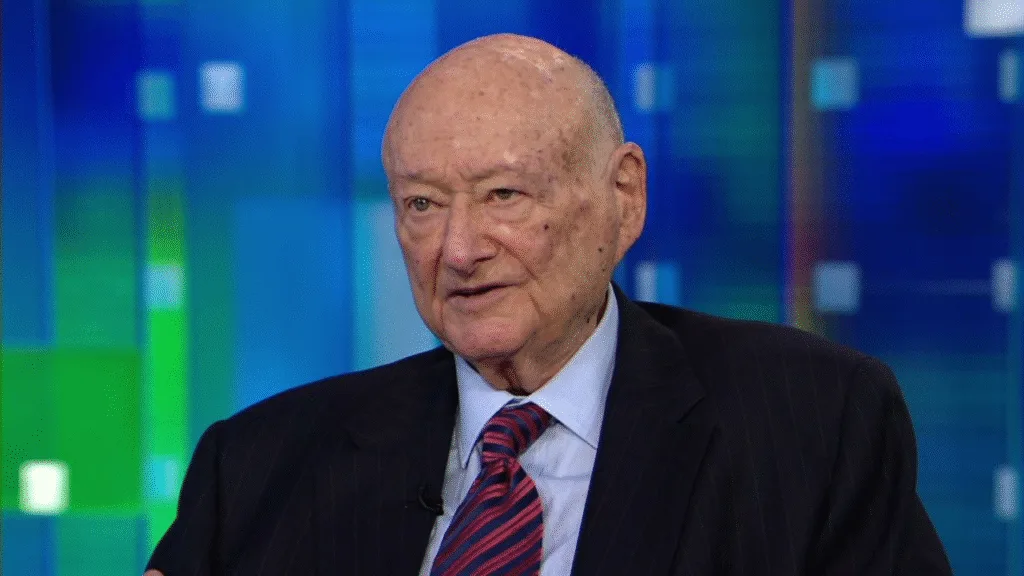
Edward Koch never married or had children. During his third term as mayor, rumors began to circulate regarding his sexual orientation. However, the politician consistently denied them. In a 1989 interview, he stated: "I believe there is nothing wrong with homosexuality. It's whatever God made you. It happens that I am a heterosexual."
Furthermore, Koch frequently appeared at political events with Bess Myerson, who was considered his close companion. She also served as the co-chair of his 1977 election campaign.
It wasn't until 2022, nearly a decade after his death, that *The New York Times* published an article confirming Koch was gay. Reportedly, only close friends, some of whom were also gay, knew the truth about his sexual orientation. According to their accounts, the former mayor had only one long-term relationship—with Richard W. Nathan, a healthcare consultant—which ended after his election as mayor. Attempts to "out" him in the 1980s were unsuccessful but took a toll on his health.
Koch had suffered a mild stroke back in 1987. Although he managed to return to his mayoral duties about a week later, his health issues persisted. Due to a heart condition, he was frequently hospitalized, especially in the final months of his life.
In late January 2013, the former mayor was admitted to New York-Presbyterian/Columbia University Irving Medical Center in Manhattan. He passed away there from heart failure on February 1 at the age of 88. His funeral was held on February 4, 2013, at Temple Emanu-El in Manhattan. Koch was laid to rest at Trinity Church Cemetery, in a plot he had purchased years prior.
Edward Koch’s political and personal life was complex and often contradictory, yet his devotion to New York City was profound and undeniable. As mayor, he pulled the city back from the brink of financial ruin and revitalized many aspects of urban life, cementing his legacy as a leader cherished by New Yorkers.
Next articleWho Is Chuck Schumer? A Biography of the New York Politician