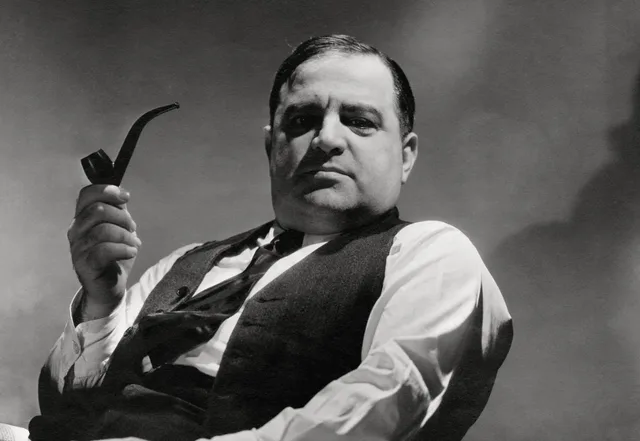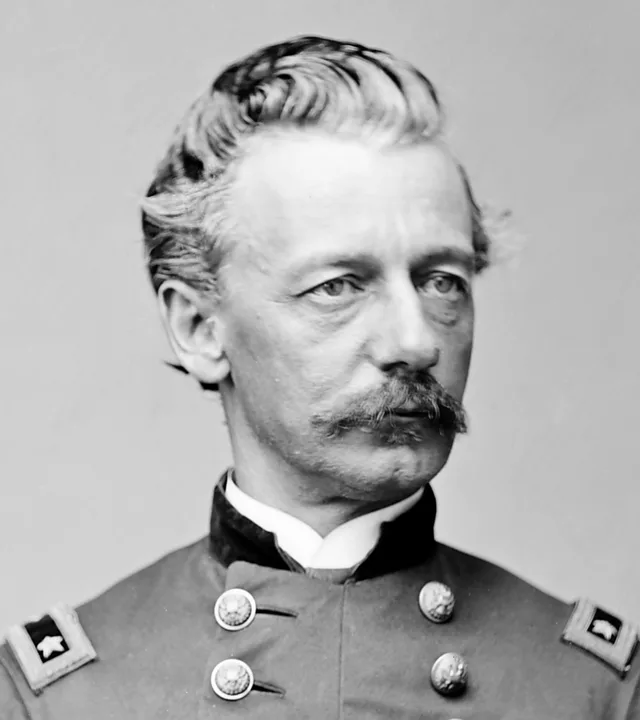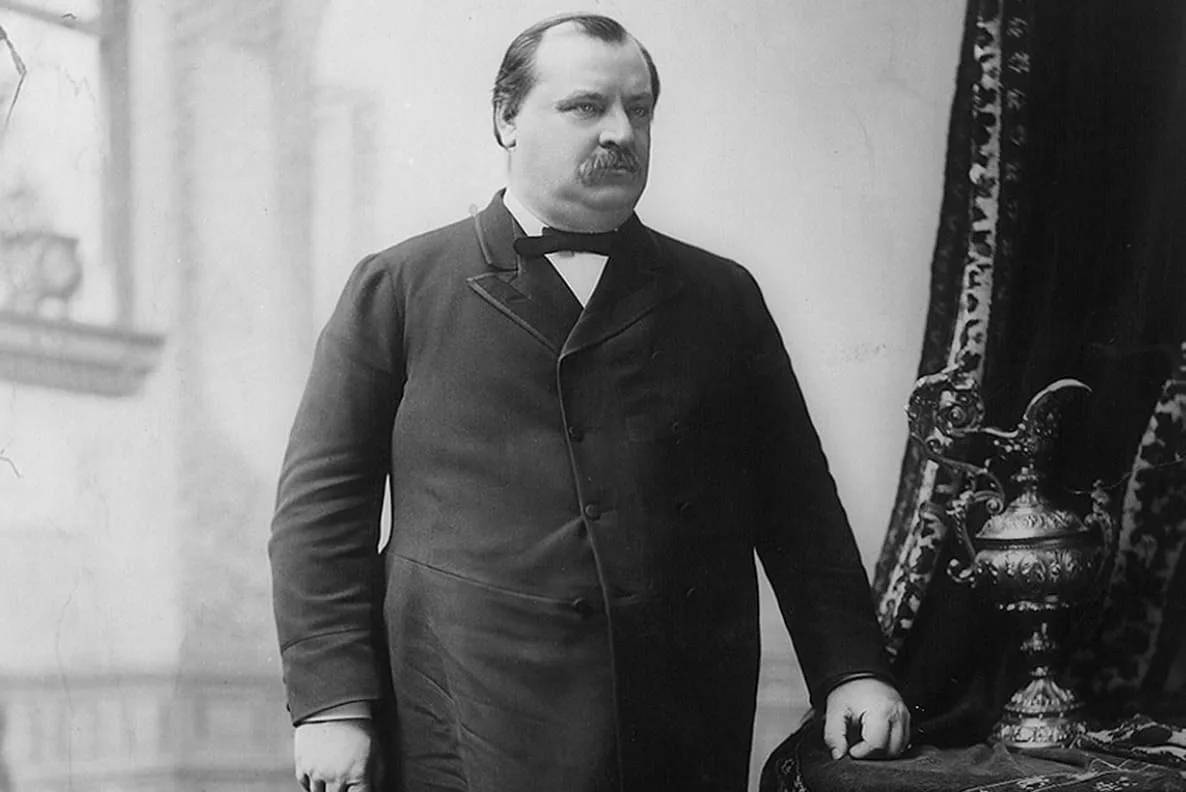
Integrity and fairness were synonymous with Grover Cleveland throughout his career. He successfully fought corruption and earned the public's trust. Read more at new-york-yes.
Family and Early Years
Stephen Grover Cleveland was born in Caldwell on March 18, 1837, to Ann Neal and Richard Falley Cleveland. His father, a Presbyterian minister, hailed from Connecticut, while his mother was originally from Baltimore. Stephen was the fifth of nine children growing up in the household. He was named after the pastor of the local First Presbyterian Church, though he later dropped "Stephen" and went simply by Grover.
When he was four years old, the family moved to New York state, where the boy spent the rest of his childhood. Grover grew up cheerful and active; he enjoyed sports and was known for his sense of humor. In 1850, the family relocated to Clinton, where Richard Cleveland became the district secretary for the American Home Missionary Society.
His father's income was woefully insufficient to support the large family, forcing Grover to drop out of school. Instead, he spent two years gaining experience in the mercantile trade. In 1853, his father's health declined sharply. The family moved to Holland Patent, New York, where Richard had secured a new position, but he passed away shortly thereafter.
Grover worked to support his family. When his brother William became a teacher at the New York Institute for the Blind, he secured a position for Grover as an assistant. A local pastor offered to pay for Grover's college education on the condition that he become a minister, but Grover declined, choosing to forge his own path.
Initially, he moved to Buffalo, New York, where his cousin Lewis F. Allen lived. Allen found him work and introduced him to influential locals. Thanks to these connections, Grover landed a clerkship at a law firm. He began reading law and was admitted to the New York Bar in 1859.
Career Beginnings and the Civil War
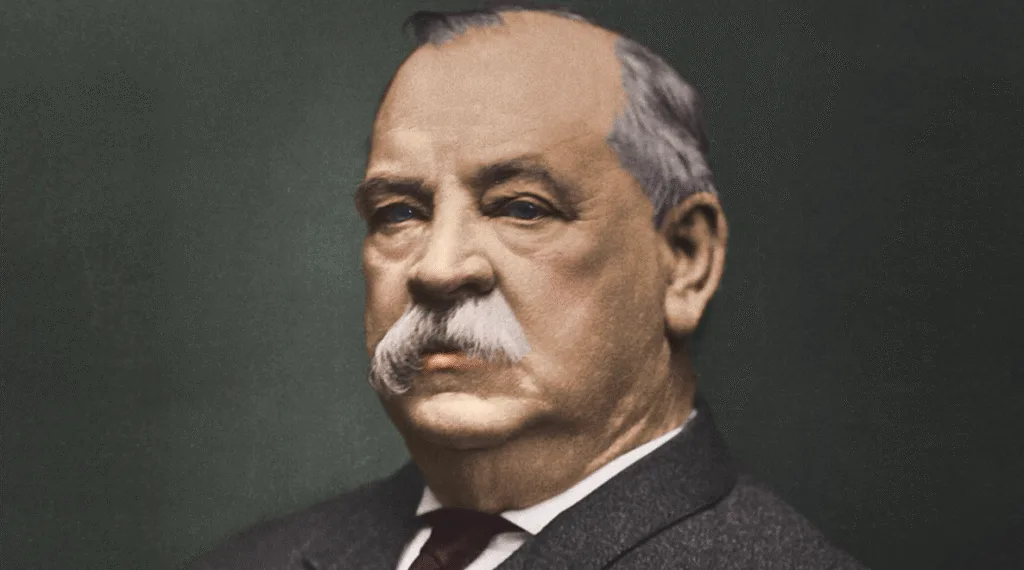
In 1862, Grover opened his own practice, and by the start of the following year, he was appointed Assistant District Attorney for Erie County, New York. During this time, the Civil War was raging, and Congress passed the Conscription Act, requiring all able-bodied men to either join the army or hire a substitute. Cleveland chose the latter, paying $150 to an immigrant named George Benninsky to serve in his stead.
Meanwhile, Cleveland continued his successful legal practice. In 1866, he defended participants in the Fenian raids pro bono. Two years later, he won a libel suit against the editor of the local Commercial Advertiser. The lawyer became a well-known and respected figure. At the same time, he maintained a modest lifestyle, sending the bulk of his earnings to support his mother and sisters.
He did not shy away from social life and was known as an honest, determined, and intelligent man. In 1881, Democratic Party leaders approached him to run for Mayor of Buffalo. Cleveland accepted and was elected the following year. His decisive battle against corruption solidified his reputation and paved the way for a broader political career.
Grover Cleveland: Governor of New York
After just one year as mayor, Democrats began considering Grover Cleveland as a candidate for Governor of New York. The Republican Party was split, giving the Democrats the upper hand despite having two other potential contenders. Ultimately, victory was destined for Cleveland.
One of his first decisions as governor was to cut office expenses. He continued his fight against corruption, earning widespread public support. However, he also made an enemy of John Kelly, the boss of the powerful Tammany Hall organization. This opposition was balanced by the support of Theodore Roosevelt and other reform-minded Republicans. With their help, Cleveland passed crucial laws reforming municipal government.
Presidency: Two Terms
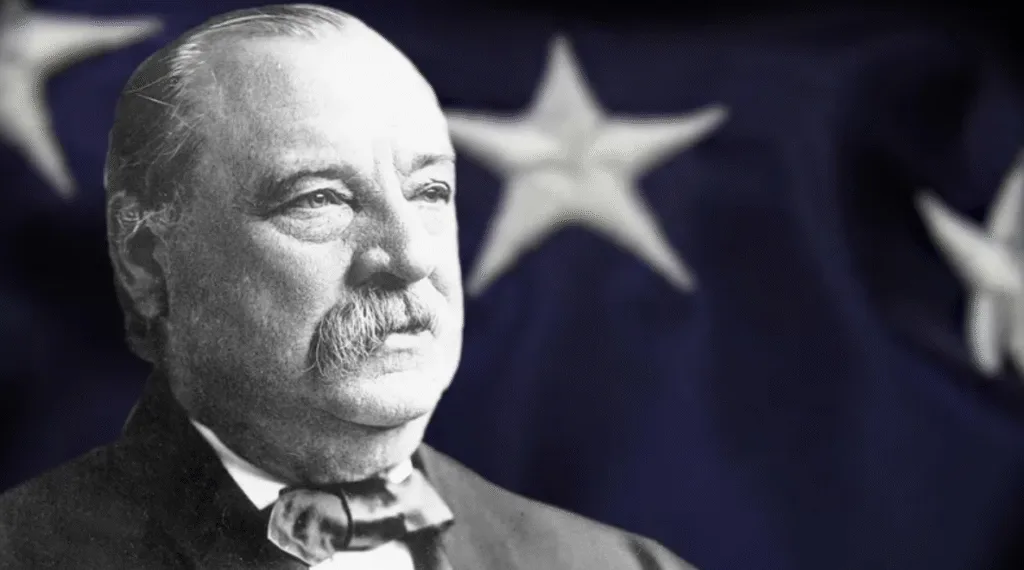
Grover Cleveland's popularity and reputation helped him not only secure the presidential nomination but also win the election of 1885. As the nation's leader, he continued his path of reform, championed anti-imperialism, and vetoed fraudulent pension claims made by Civil War veterans. He also signed the Interstate Commerce Act and established the U.S. Department of Labor.
After his first term, Cleveland ran for re-election but lost. Victory awaited him again in 1893, making him the only president in history to serve two non-consecutive terms.
During his second presidency, Grover Cleveland repealed the Sherman Silver Purchase Act and intervened in conflicts between Spain and Cuba, as well as Great Britain and Venezuela, to protect American interests. He was distinguished by his unwavering integrity, a trait that earned him many enemies. Yet, this never stopped him.
In 1897, Grover Cleveland left the White House and retired from politics. From 1901 to 1908, he served on the Board of Trustees of Princeton University and participated in reforming the country's insurance industry.
Personal Life of the Famous Politician

When he became president at age 47, Grover Cleveland was unmarried—a rarity for the office. For the first year of his administration, his sister Rose served as the White House hostess. In 1885, the politician met Frances Folsom, the daughter of a friend, who was then a student at Wells College. They began corresponding and were soon engaged.
The couple wed in early summer 1886 at the White House. Cleveland was 49 at the time, while his bride had just turned 21. She was, and remains, the youngest First Lady in history. Her gentle nature helped her win over the public despite her youth, making her immensely popular.
The Cleveland family was loving and lived in harmony. They often spent summer vacations in Massachusetts and later in New Hampshire. The couple had five children: two boys and three girls. Their first daughter, Ruth, contracted diphtheria at age 13 and died a few days later. The Curtiss Candy Company later claimed their "Baby Ruth" candy bar was named in her honor.
Following the end of his political career, Grover Cleveland's health gradually declined. He fell seriously ill in the fall of 1907, and the following year suffered a heart attack that proved fatal. The renowned politician passed away on June 24, 1908, at the age of 71 at his residence in Princeton. He was buried in the Princeton Cemetery of Nassau Presbyterian Church alongside his wife, her parents, and his daughter Ruth.
It is said that among Grover Cleveland's last words was the statement that he had always tried to do right. His personal and political legacy remains a testament to this deeply rooted lifestyle.
Next articleFranklin Delano Roosevelt: The Life of the 32nd US President