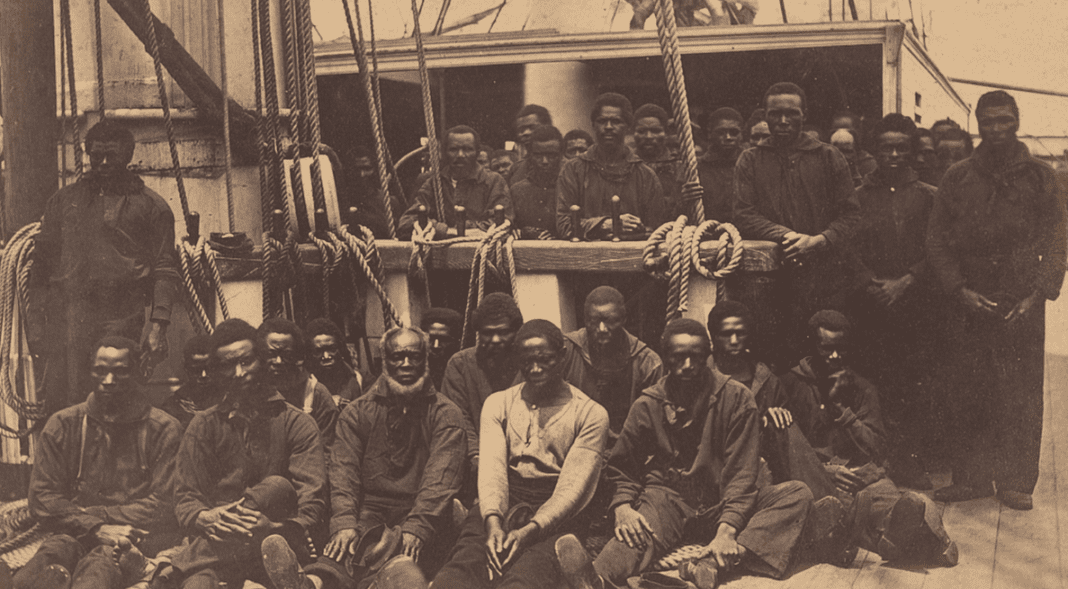

A slave rebellion took place in New York in 1741. That was a shock for the city. The revolt is also often referred to as the New York plot. It was the largest such rebellion in North America that occurred before the American Revolution. The plot of 1741 had a huge impact on the social and political life of New York. Read more on new-york-yes.com.
Why did the rebellion start?
In the middle of the 18th century, New York was a very busy port city. It had a constantly growing population, most of which were enslaved Africans and their descendants. They were used as labor in various industries starting from agriculture to construction and domestic work. Very often they were treated cruelly. Moreover, they had no legal rights and protection.
Conditions for slaves in New York were very harsh. They meant long working hours, the most severe punishments and little hope of freedom. Many slaves were separated from their families and forced to live in cramped, unsanitary quarters. Many of them were often physically and sexually abused by their owners.
Against this backdrop of oppression and violence, a small group of slaves and free blacks began plotting a rebellion in New York. Their leader was a man named Caesar, a slave brought to New York from the Caribbean. He was a very charismatic personality who inspired others with his vision of freedom through rebellion.
The main goal of the rebels in the mid-18th century was to burn the city and seize power with the ultimate goal of destroying the entire slave system. However, their plan was discovered and they were quickly arrested and put on trial.
The slave rebellion in New York
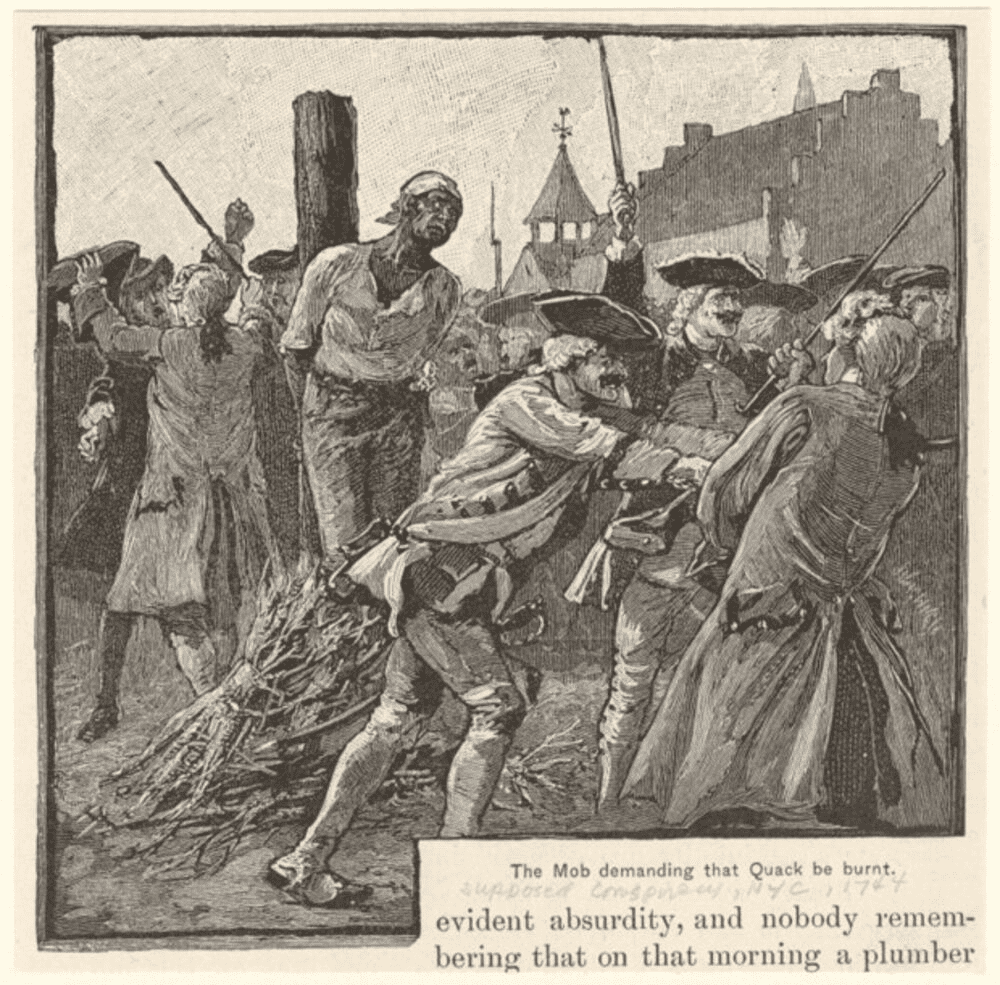
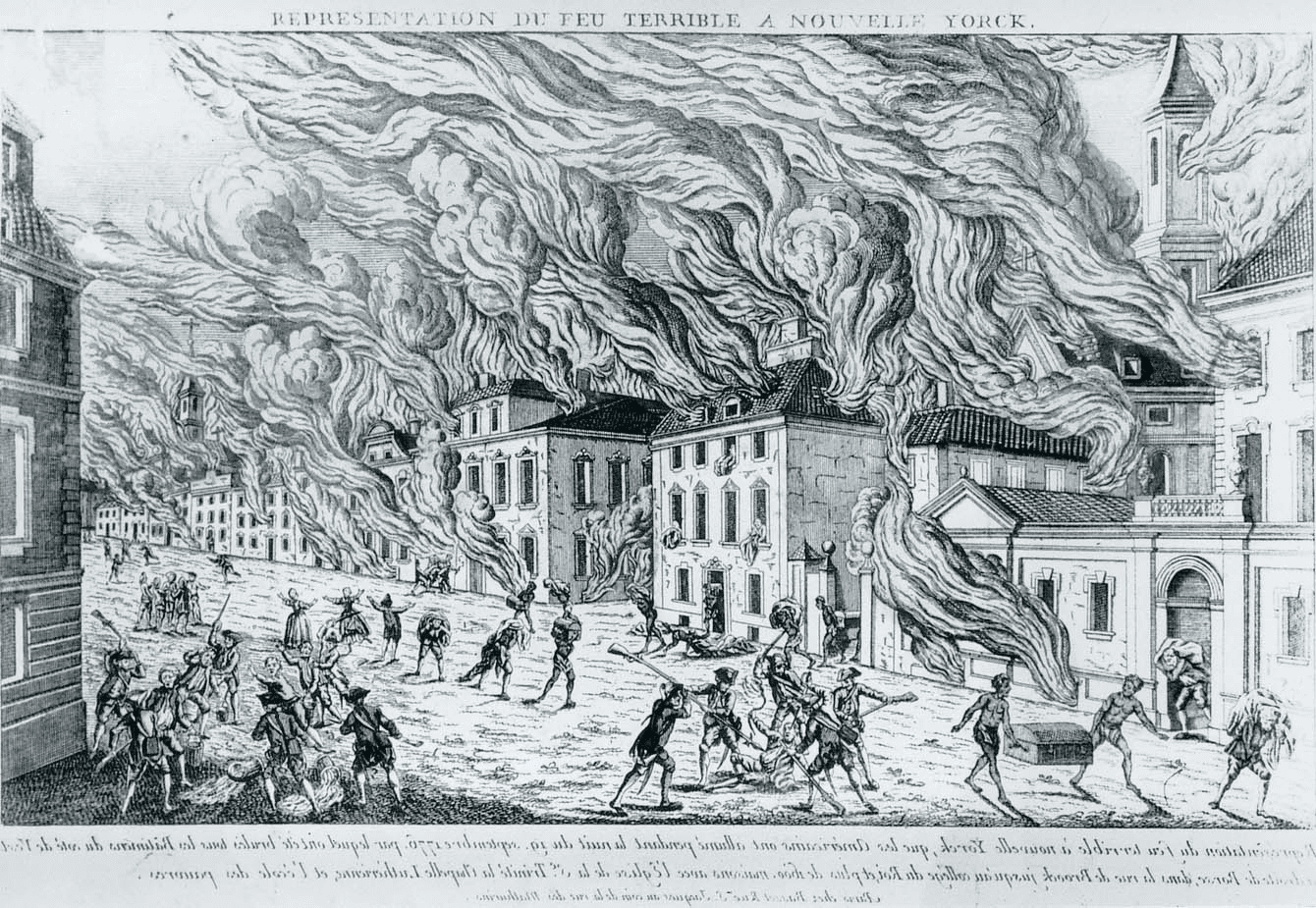
The New York rebellion began in the spring of 1741 when a fire broke out in the city. Many locals believed that the fire was deliberately set by slaves who wanted to free themselves. When this rumor spread through the city, panic spread all over New York. After a series of arsons in 1741, dozens of slaves were arrested and put on trial. The trials were deeply flawed. People were forced to give false confessions under constraint and witnesses gave unreliable testimony. All this led to many unlawful convictions. For instance, 34 slaves were sentenced to death, 84 were sent to Caribbean slavery and 7 were exiled.
The slave rebellion of 1741 in New York was not an isolated case. Systematic slave revolts were a result of the constant oppression and cruelty that enslaved people faced in colonial America. They were denied basic human rights and subjected to horrific treatment, including physical and sexual abuse. They only wanted freedom and a human attitude.
Despite the harsh punishments of the rebellion participants, the spirit of resistance continued to burn in the hearts of slaves in New York and beyond. Enslaved people in New York and other colonies continued to resist oppression after the plot of 1741. They fought in every possible way for their freedom and dignity.
The slave rebellion of 1741 was a powerful moment of resistance in the history of slavery in North America. It showed that even in the face of cruelty and violence, slaves could still find ways to resist and fight for their freedom. Although the rebellion was ultimately defeated, it paved the way for future generations to continue the struggle against slavery and racism.
The New York plot in the history of America in the 21st century is a reminder of the existing problems of black people and their struggle for justice and equality.