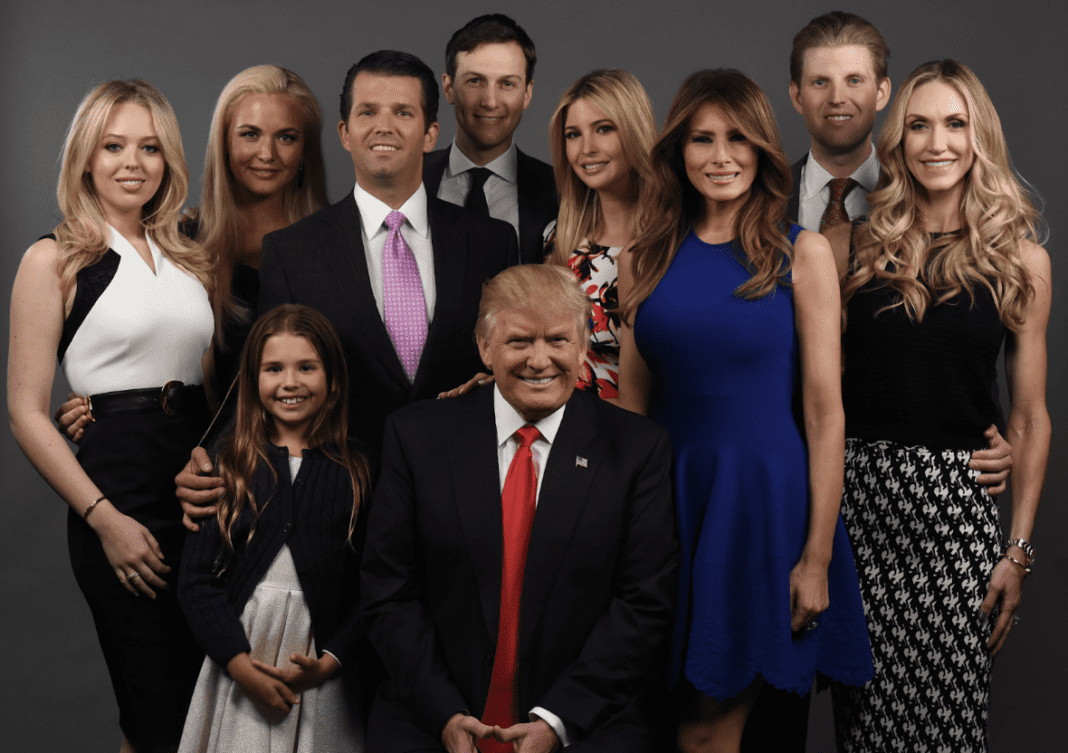

Since the formation of the United States, many dynasties have emerged, with multiple generations holding high government positions. New York City has been no exception. So, who are these families and what contributions did they make to the city and the country? Read more at new-york-yes.
The Roosevelt Family
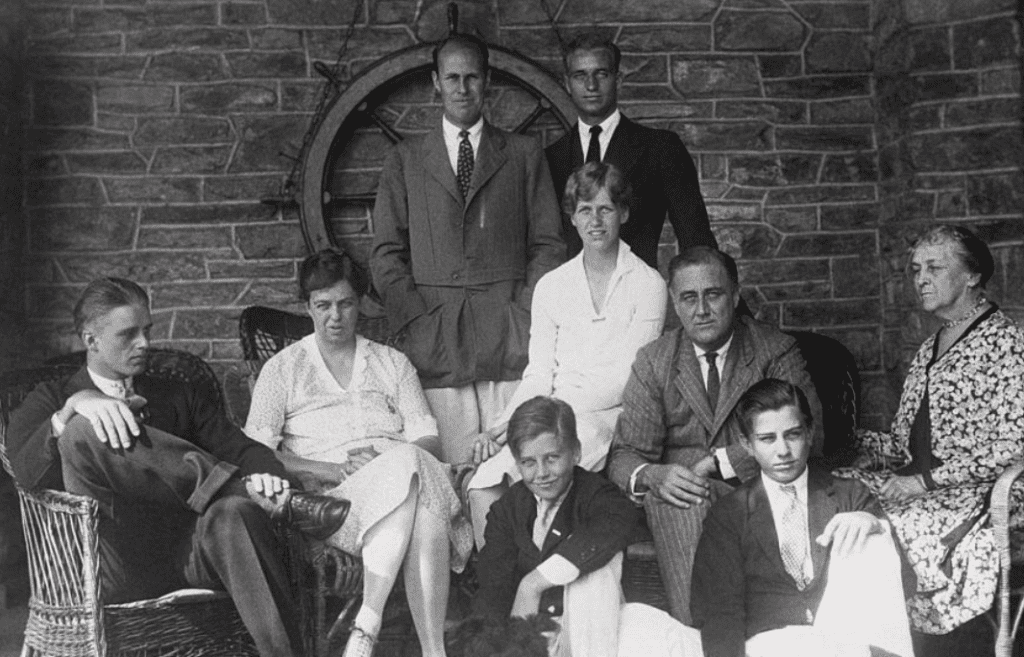
The Roosevelts are one of the most prominent political dynasties in the U.S., with deep roots in New York. Theodore Roosevelt, a native of Manhattan, served as the 26th U.S. President from 1901 to 1909. His fifth cousin, Franklin D. Roosevelt, also a New York native, became the 32nd President, leading the country through the Great Depression and World War II. Their leadership not only influenced national policy but also solidified New York’s position as a political and economic powerhouse.
The Roosevelt political dynasty didn’t end there. The family had many political figures who made significant contributions to the development of both New York and the entire nation. Among them was Eleanor Roosevelt, Franklin’s wife and Theodore’s niece, who also made a major impact on politics. She was an advisor to the President from 1933-1945, chaired the UN Commission on Human Rights from 1946-1952, and presided over the Presidential Commission on the Status of Women from 1961-1962.
The family’s political legacy was also continued by Theodore Roosevelt’s descendants, who were spread across the United States. His son, Theodore Roosevelt Jr., served as Governor of Puerto Rico from 1929-1932, and his second son was a prominent political figure in the Philippines. His grandson, Theodore Roosevelt III, was Pennsylvania’s Secretary of Commerce from 1949-1951, greatly influencing the region’s economy.
The political dynasty also continued through Franklin and Eleanor’s side of the family. For instance, Franklin D. Roosevelt Jr. represented New York in the U.S. House of Representatives from 1949-1955 and was the Under Secretary of Commerce from 1963-1965. James Roosevelt served as the President’s secretary from 1937-1938, chaired the California Democratic Party from 1946-1948, and represented the state in Congress from 1955-1965. Elliott Roosevelt was the mayor of Miami Beach, Florida, from 1965-1967.
The next generation of the family was also actively involved in the country’s political life. James Roosevelt Jr. became co-chair of the Democratic National Committee’s Rules and Bylaws Committee in 1995, while Hall Delano Roosevelt served on the city council of Long Beach, California, from 1996-2000.
The Roosevelts are arguably one of the largest political dynasties whose descendants undoubtedly chose a career in politics. The Roosevelt family made a significant contribution to the development of New York State. Theodore Roosevelt, who served as governor, enacted reforms to combat corruption and improve labor conditions. His efforts helped increase transparency in government. Franklin Delano Roosevelt, Theodore’s nephew, who was governor of New York during the Great Depression, created the Temporary Emergency Relief Administration to aid unemployed families, allocating $20 million for this purpose. This initiative became a model for federal aid programs later implemented on a national scale. It’s safe to say that the Roosevelts’ reforms and initiatives contributed to the socio-economic development of New York and laid the groundwork for future changes across the country.
The Cuomo Family
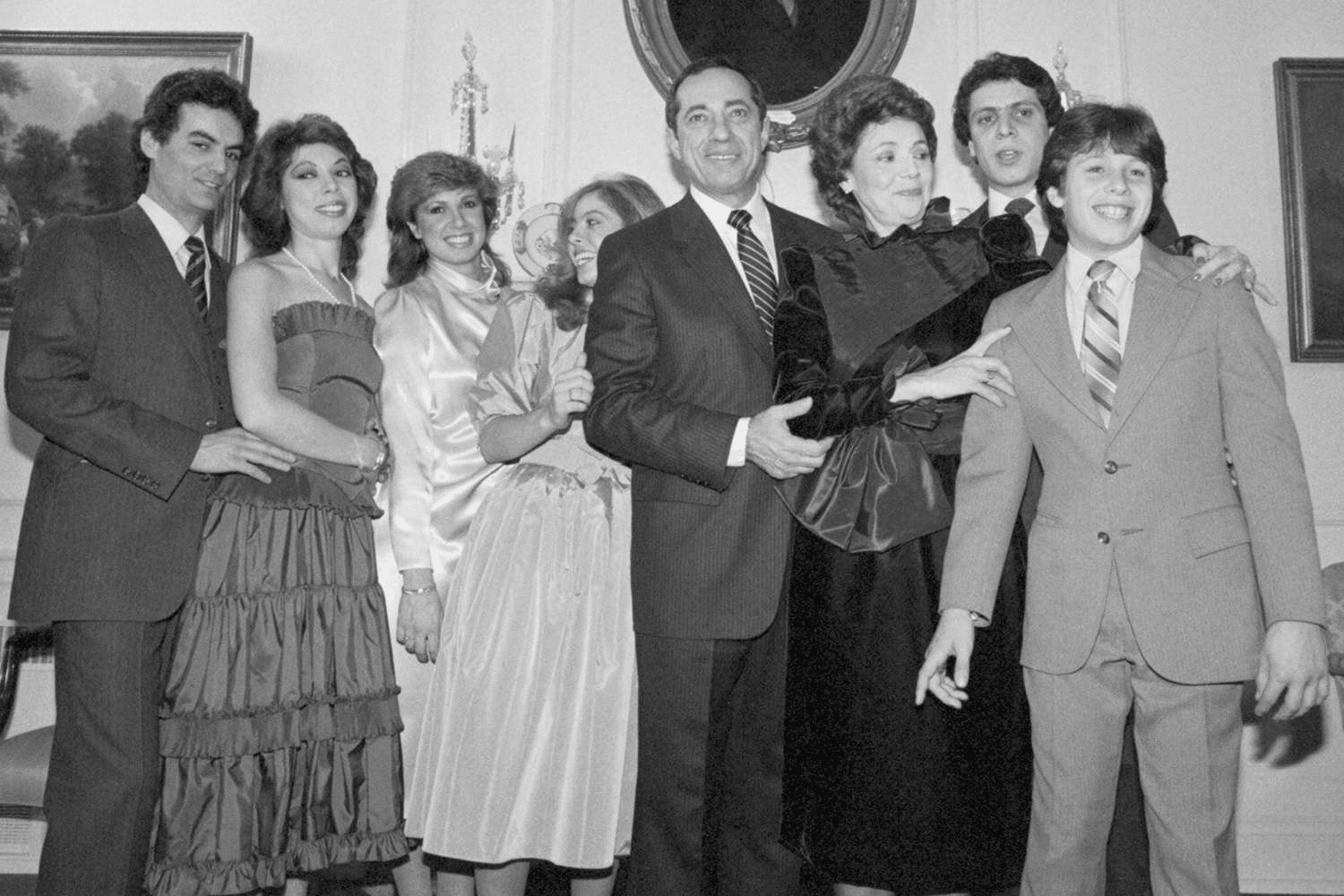
In a later period, the Cuomo family played a key role in New York politics. Although their dynasty isn’t as large as the Roosevelts’, they are no less significant, as they have played an equally important role in the development of New York and the country. Mario Cuomo served as Governor of New York from 1983 to 1994. He was known for his eloquence and progressive policies. His son, Andrew Cuomo, continued his legacy, serving as governor from 2011 to 2021. However, Andrew Cuomo was not without his share of political scandals in New York.
Overall, the Cuomo family also demonstrated how political dynasties can influence a state’s development for many years.
The Kennedy Family
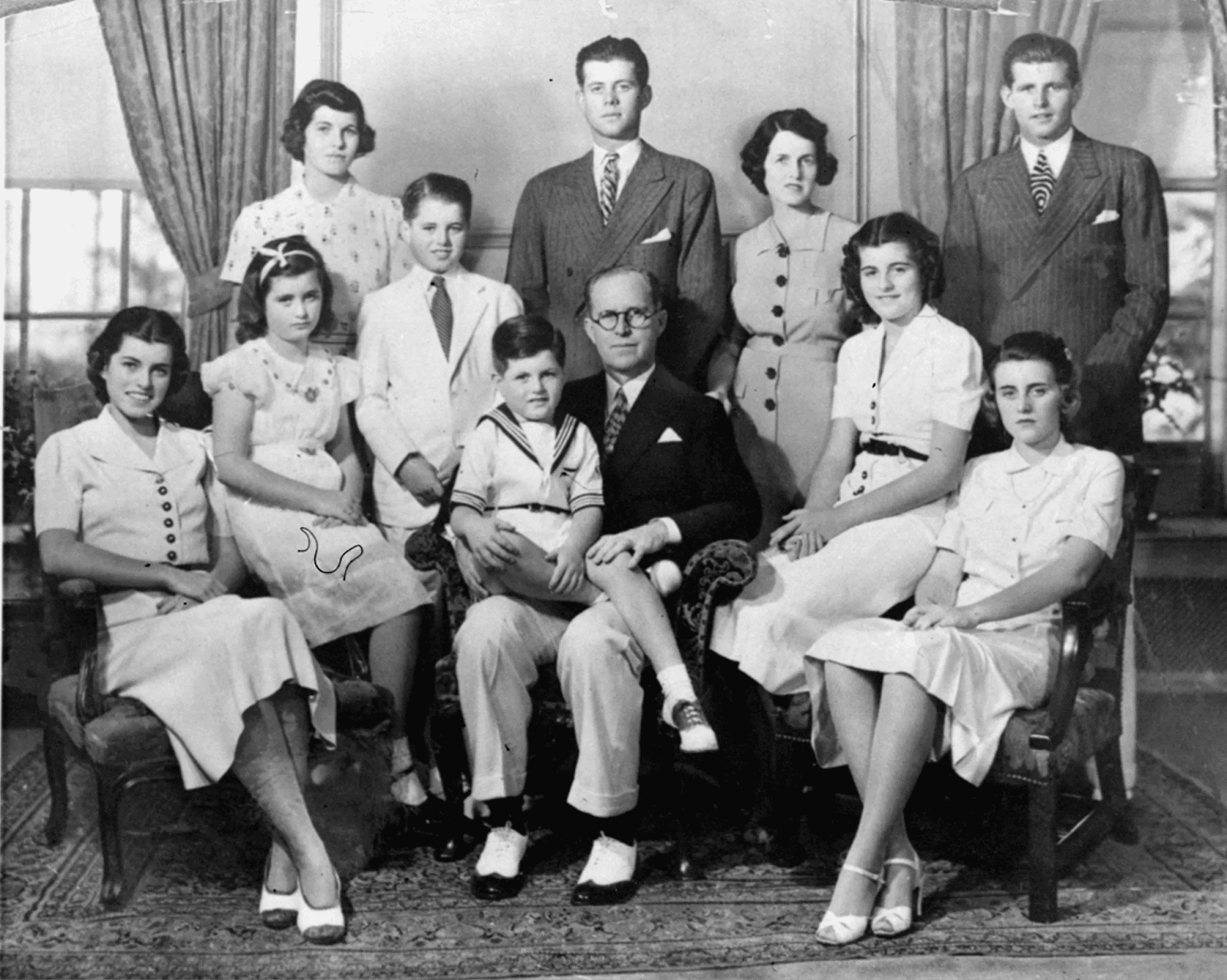
Although this family is often associated with Massachusetts, the Kennedys also had a significant impact on New York politics. Specifically, Robert F. Kennedy served as a U.S. Senator from New York from 1965 until his assassination in 1968. His tenure, though brief, left a mark on the state’s political landscape, highlighting issues of social justice and civil rights.
The Rockefeller Family
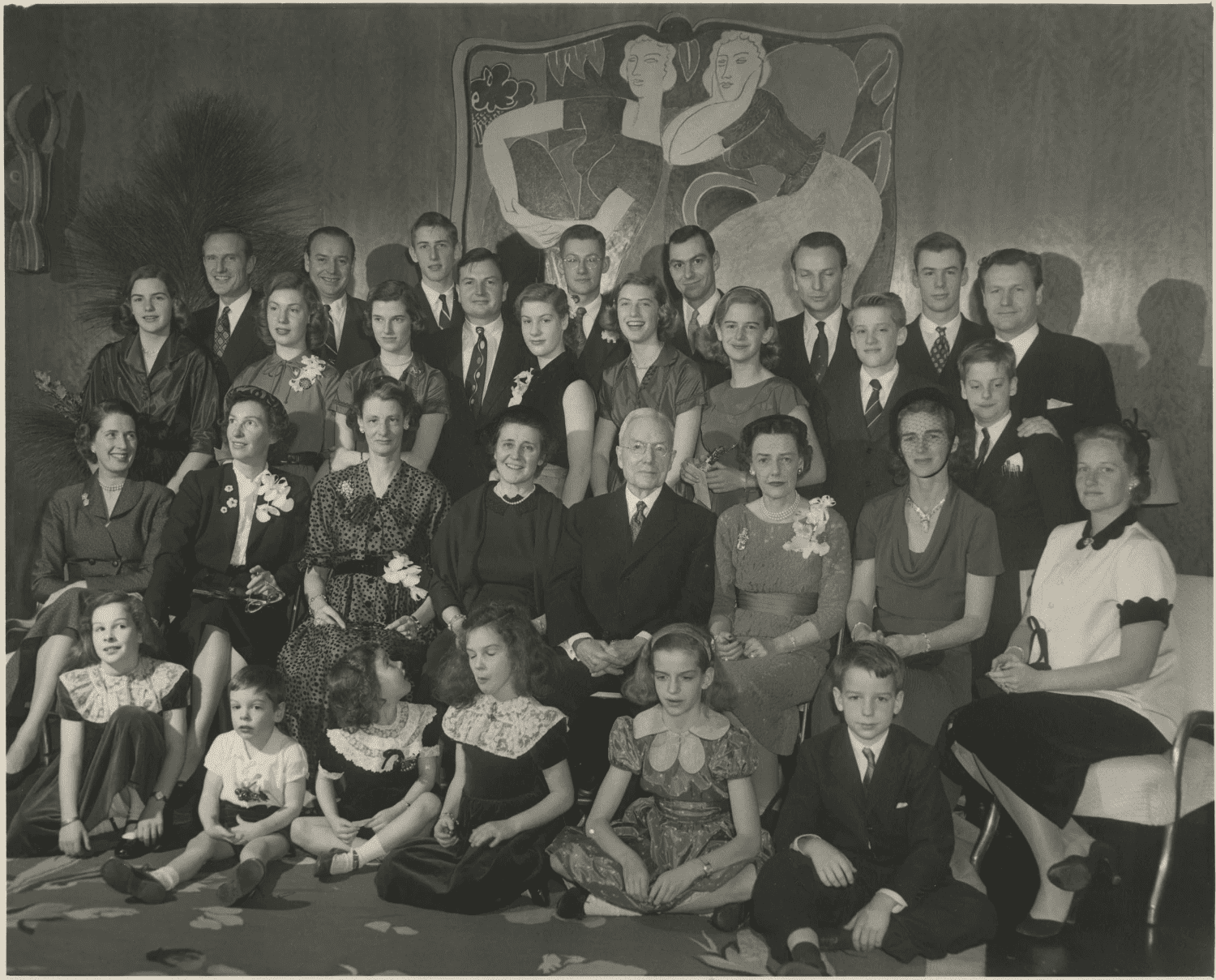
The Rockefellers are synonymous with wealth and philanthropy, and they were an integral part of New York’s development. Nelson Rockefeller was the state’s governor from 1959 to 1973 and later the Vice President of the U.S. This family made huge contributions not only to the politics of New York and the country but also to the development of infrastructure, culture, and the economy. Without a doubt, this dynasty had a massive impact on the city and the state.
These families, among others, wove a complex tapestry of political influence in New York, demonstrating the enduring power of dynastic politics in shaping the city’s history and governance.
The Trump Family
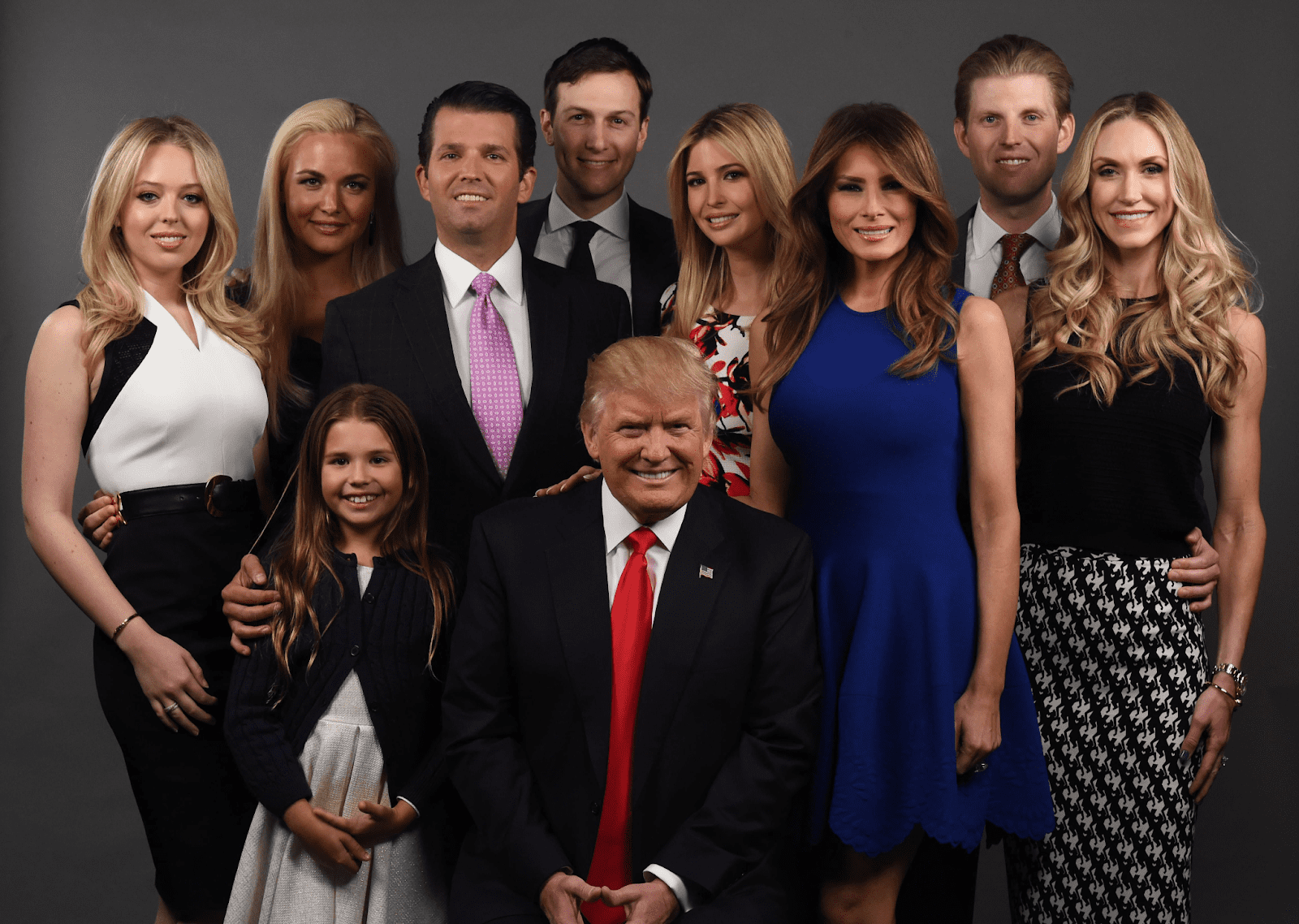
The Trump family can also be considered a dynasty that has significantly influenced the development of New York and the country. Although the Trump dynasty didn’t start with New York politics but with real estate, it’s a dynasty that deserves to be on this list.
The story begins with Frederick Christ Trump, a self-made real estate developer who made his fortune building middle-class housing in New York, especially in Queens and Brooklyn. Fred Trump took advantage of New Deal programs to fund large housing projects. His company built thousands of homes, helping to shape the outer boroughs of New York. By the 1970s, he had built a real estate empire worth hundreds of millions of dollars.
Despite his success, Fred Trump never entered politics himself, but he did fund politicians and taught his son, Donald Trump, the importance of media influence and public relations.
Fred’s son, Donald J. Trump, took the family business to the next level. While Fred focused on affordable housing, Donald aimed for luxury. Donald built the famous Trump Tower, constructed casinos, hotels, and golf courses around the world. Thanks to his brash style and media savvy, he managed to move beyond real estate into television and then into a political career. It’s worth noting that Donald Trump had teased the public with political ambitions for decades, but in 2016, he shocked the world by running for and winning the U.S. presidency.
He positioned himself as a political outsider, despite his deep ties to the New York elite. His campaign focused on populism, nationalism, and economic revitalization. He became the 45th U.S. President, changing American politics with his “America First” agenda. He also won the presidency again in 2024.
It’s worth mentioning the next generations of the Trump family. For example, Donald Trump Jr. became a key voice in conservative politics. He actively campaigned for and supported his father’s policies. It’s possible that he will continue the young Trump political dynasty and one day become a political candidate. Donald’s daughter, Ivanka Trump, worked as a White House advisor alongside her husband, Jared Kushner. She positioned herself as a moderate but stepped away from politics after 2020. Another one of Donald’s sons, Eric Trump, is involved in business, managing the “Trump Organization” and is also a staunch political supporter of his father.
Unlike the Roosevelts or the Kennedys, the Trump family are newcomers to the political sphere. For example, if Donald Jr. or Ivanka run for office, the dynasty could solidify its place in American politics for decades. If they focus on business and media, their influence might remain more cultural than political. But one thing is certain: Donald Trump has changed American politics, and his entire family holds immense influence in various fields, both in New York and the U.S. as a whole.
These families have played a vital role in New York politics, showing how dynasties can influence the history and governance of a city and even an entire country.