
New York is a city with a rich history that was governed and developed by an enormous number of politicians for many years in a row. Among these prominent figures was Abraham Beame, the 104th mayor of New York, who headed the city from 1974 to 1977. Few New Yorkers in the 21st century know, but it was Beame who did his best to make New York a thriving city.
Find out more at new-york-yes.com.
The story of Abraham Beame
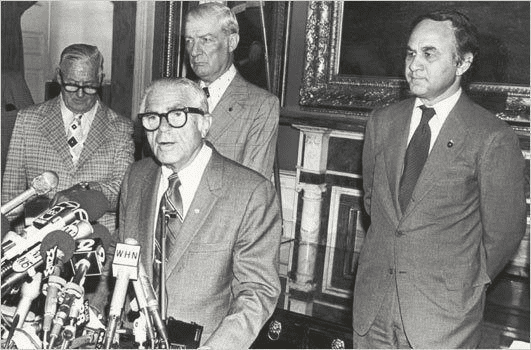
The early years of New York’s future mayor, Abraham Beame, were full of events. Initially, he was born under the name Abraham David Birnbaum in 1906 in London. His family was of Jewish origin who emigrated from Poland to England in the early 20th century. But when little Abraham was only three months old, his family was again forced to relocate. This time they settled in New York.
It was in New York that Beame spent his childhood and youth. Here, he graduated from school and entered the City College of New York’s School of Business and Civic Administration.
During his studies, Beame demonstrated profound knowledge. He also was gifted with entrepreneurial acumen, so while still in college, he became one of the founders of the accounting firm Beame & Greidinger.
The first years after graduation, he connected with teaching activities. Specifically, Beame worked as an accounting teacher at Richmond Hill High School and lectured accounting and commercial law at Rutgers University.
Owing to his skills and forward-thinking, Beame’s career soon took off. He was appointed as the director of the budget of New York City. He was actively involved in the development and implementation of management programmes and thus saved the city tens of millions of dollars.
Beame’s successful activities and competent policy that helped to advance the city could not be underestimated. Eventually, in 1974, he was elected mayor of New York City.
What is Beame remembered for in NY history?
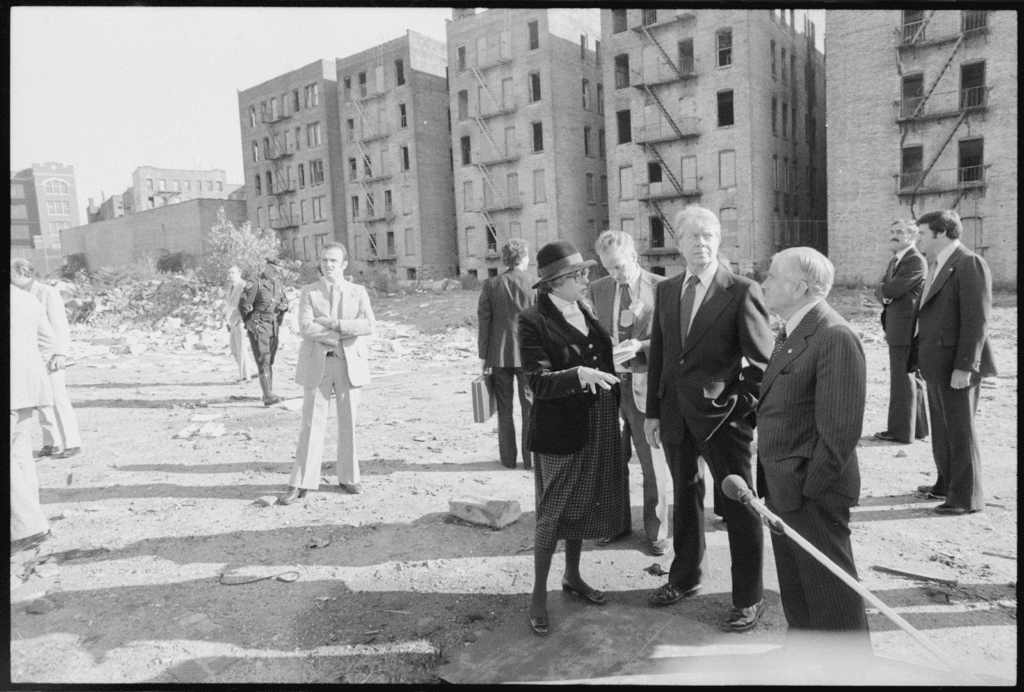
One of Beame’s key priorities in the new post was to restore the status of the city as a vibrant and prosperous metropolis. He initiated ambitious projects to renew the city, bringing life to abandoned neighborhoods. Under his leadership, many derelict buildings were renovated, parks were created, and even the wastelands within the city were rebuilt into various recreational areas.
As mayor, Beame was particularly focused on the city’s infrastructure. He understood that it was highly important for the future prosperity of the city. He was engaged in upgrading the New York transportation system and stood for the construction of new subway lines. Beame also wanted to increase the number of bus routes and make public transit more accessible. These infrastructure investments have contributed to economic advance and increased the mobility of residents.
Beame was also a passionate proponent of educational reform. He recognized that quality education is the foundation of future success. Beame’s central priority was to increase funding for public schools, hire more teachers and improve curricula. He also focused on the introduction of innovative programs, such as out-of-school initiatives and vocational training. It would ensure that all students could have access to every educational opportunity.
In addition, Beame tackled social problems, pursuing policies designed to reduce crime rate and inequality. He evolved public order enforcement programs that fostered trust-building between law enforcement and residents, resulting in improved urban safety.
White in the office, Beame also prioritized environmental protection. In particular, he promoted green power alternatives and recycling and waste management programs. Sustainable development in New York has been initiated thanks to him.
Abraham Beame’s tenure as the 104th mayor of New York left an unforgettable mark on the city’s history. Through his forward-looking leadership, Beame transformed many neglected areas into thriving communities, modernized infrastructure and improved the quality of education for all social groups. Beame’s activities in the 1970s were characterized by genuine progress, inclusiveness and a perspective of a better future. He managed to lay the basis for the future sustainable growth of the city.