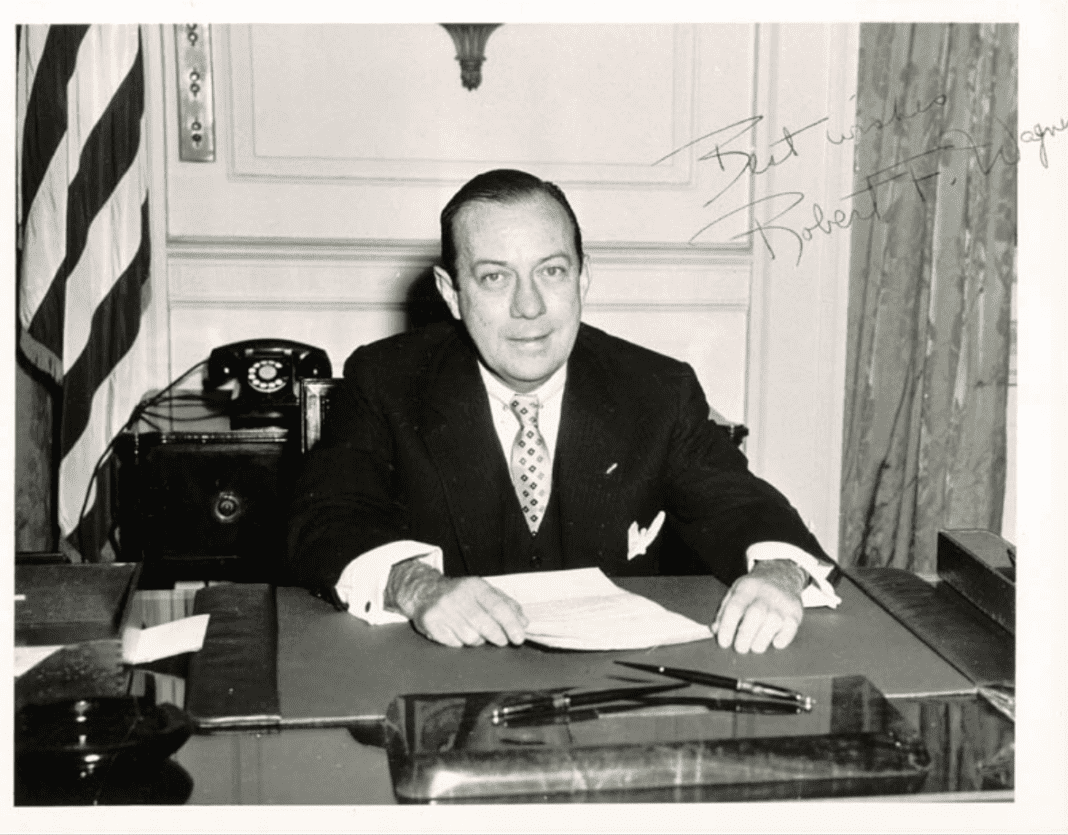

New York has a very long and rich history. During all this time, many people were elected to the post of mayor. Among the huge number of mayors of New York City, there was one who had a huge influence and made a great contribution to the city’s life. It was Robert F. Wagner Jr. His term as mayor of New York was marked by incredible achievements that changed the landscape of the city and strengthened New York’s reputation as a global metropolis. Wagner Jr. was known for his progressive vision and commitment to social reform. He initiated many programs that revolutionized urban politics, labor relations, civil rights and public education. Read more on new-york-yes.com.
The story of a future mayor
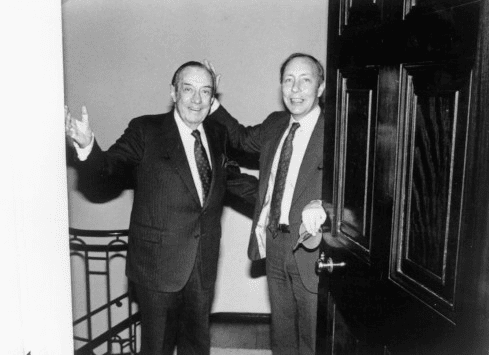
Wagner Jr. was born in New York in 1910 in the elite family of German-born US Senator Robert Ferdinand Wagner. His future in politics was quite predictable. Therefore, his family ensured that he received the best and most prestigious education for his career. First, Wagner Jr. graduated from Taft School. Then, he studied at Yale University, as well as at the Harvard Business School and the Graduate School of International Studies in Geneva. He also graduated from Yale Law School. He was a member of the New York State Assembly and Manhattan Borough President. He was also a delegate to several Democratic conventions and was the Democratic candidate for the US Senate in 1956. All this served as a huge impetus for further climbing the career ladder, and in 1953, he ran for the post of mayor of New York City.
Wagner Jr. and labor rights and relations
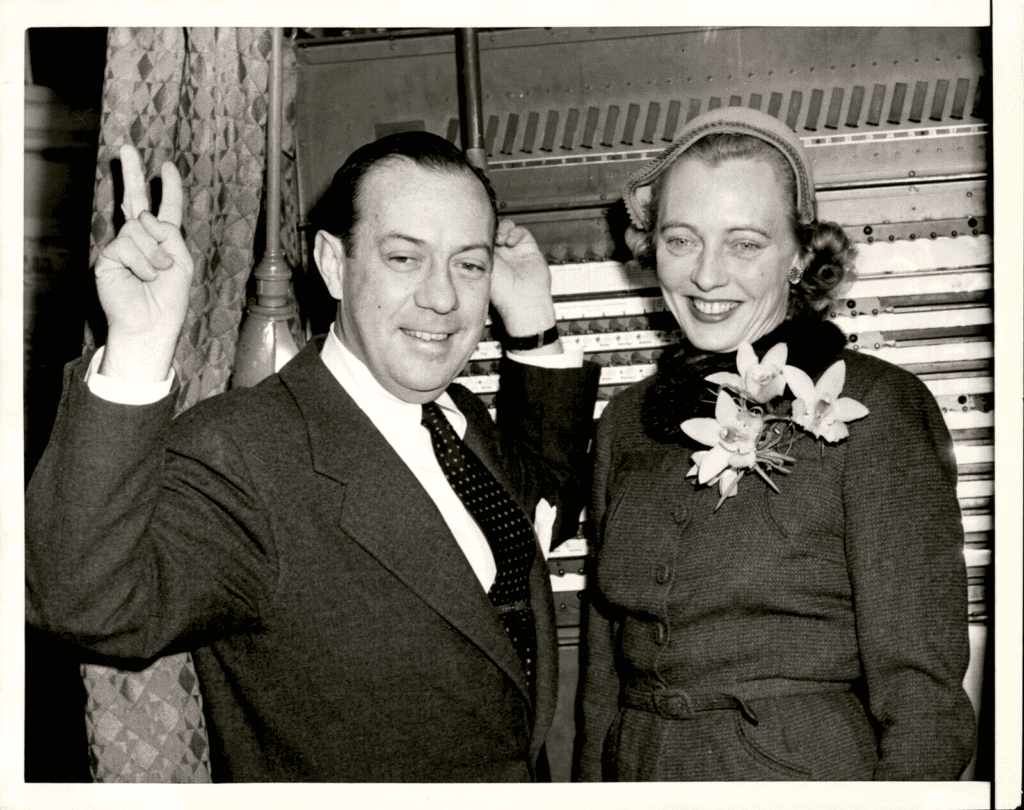
He became the 102nd mayor of New York in January 1954. One of his first and most notable achievements was the promotion of labor rights and improved relations between workers and employers. Building on the legacy of his father, Wagner Sr., author of the groundbreaking National Labor Relations Act, he advocated for fair labor practices and union representation. Moreover, he founded the Housing Authority of New York, which provided affordable flats to low-income families and created thousands of workplaces. Wagner Jr. promoted collective bargaining rights, which led to better working conditions, fair wages and increased job security for workers.
Wagner Jr.’s landmark housing reform
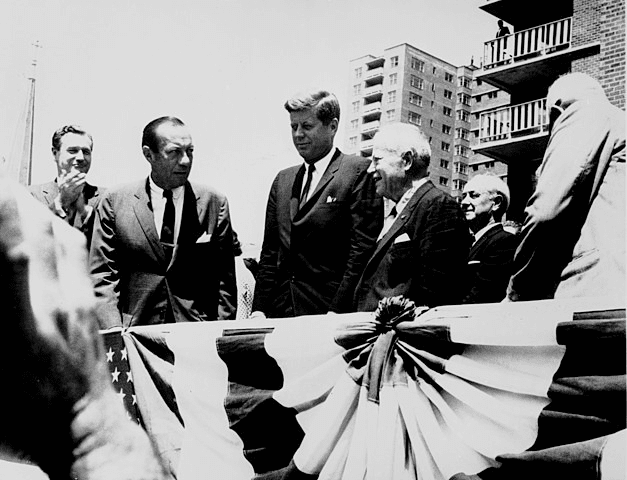
In the middle of the 20th century, Wagner Jr. realized the urgent need to improve housing in New York. Thus, he was the initiator of a comprehensive program of urban housing reforms. He implemented the ambitious Housing Act, according to which federal funds were allocated for the clearing of purlieus and the construction of new and modern housing. This initiative transformed old New York neighborhoods into vibrant communities and provided safe and affordable housing to thousands of New Yorkers.
How did Wagner Jr. reform the education system?
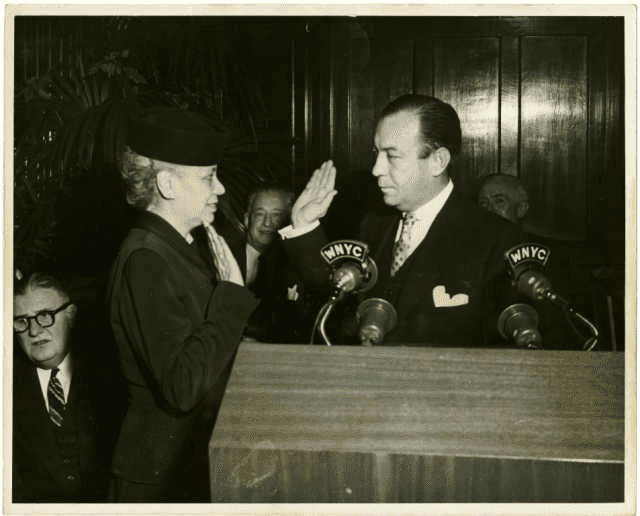
Significant changes took place in many areas of city life under the leadership of Wagner Jr. The education system was not an exception. The mayor gave primary attention to expanding school infrastructure, increasing funding and raising educational standards. Wagner Jr. initiated the construction of new schools. He sought to ensure that every child in the city had access to quality education. In addition, he initiated comprehensive curriculum reforms, integrating modern teaching methods and expanding vocational training programs.
Promotion of civil rights and social equality
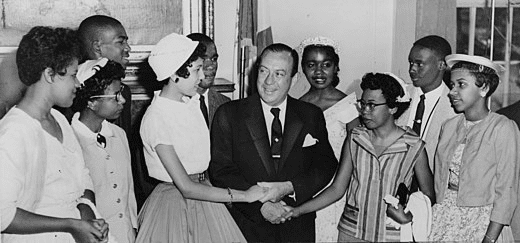
Wagner Jr. was an active supporter of civil rights, equality and social justice. He actively supported the civil rights movement and passed groundbreaking anti-discrimination and equal-opportunity legislation. He was the one who signed the city’s first Fair Employment Practices Act, which prohibited discrimination based on race, religion or sex.
Modernization of the infrastructure
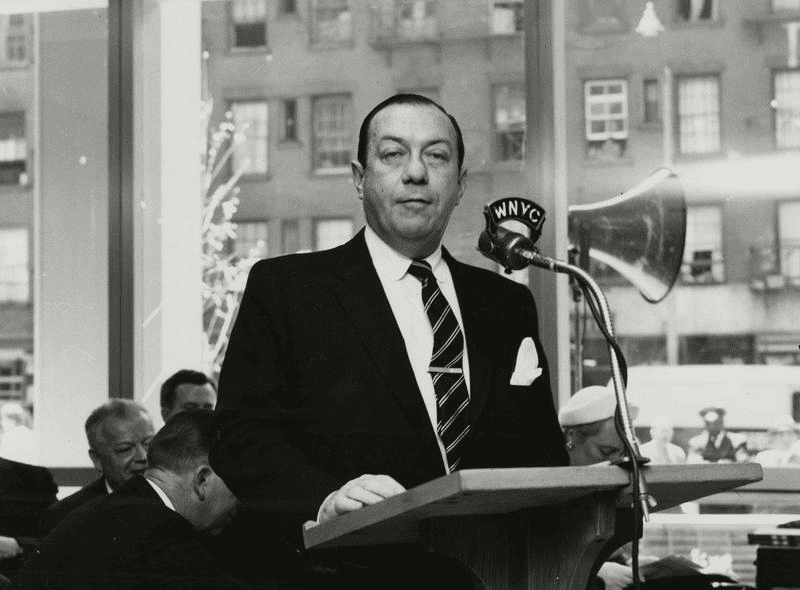
During his tenure, he also focused heavily on modernizing the city’s infrastructure to meet the needs of a growing population. He oversaw the expansion of the city’s transportation network, including the development of new subway lines and the construction of the Verrazano-Narrows Bridge, which connected Staten Island to the rest of the city. Wagner Jr. also implemented city planning initiatives to improve traffic flow and expand public spaces, laying the foundation for the city’s subsequent growth and development.
Robert F. Wagner Jr.’s accomplishments as mayor of New York from 1954 to 1965 made him a true transformational leader. During this period, tremendous progress was made in urban development and planning. In the 21st century, Wagner Jr. remains one of the most iconic and influential figures in the history of the city. He was one of the few mayors who managed to implement such a huge number of reforms.