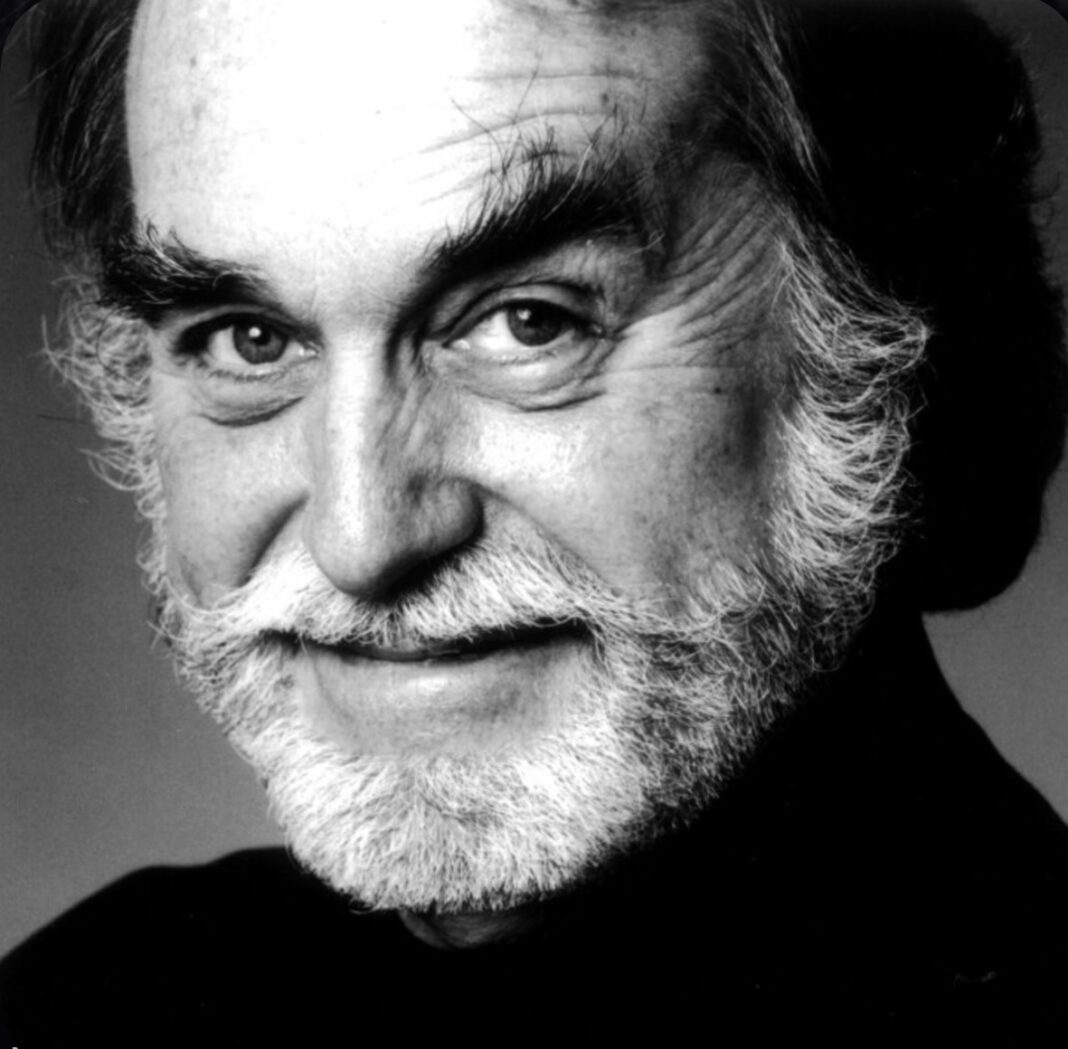

From a student in New York to the creator of iconic memorials that touch the hearts of millions, Louis Nelson’s career was a masterclass in versatility. Over the years, he transitioned from designing everyday consumer products to crafting objects of immense national significance. In this article on new-york-yes.com we explore the life of Louis Nelson—the artist who designed the hauntingly beautiful mural wall of the Korean War Veterans Memorial.
The Pilot Who Became a Designer
The story of Louis Nelson begins in a typical New York neighborhood, where he grew up in a Norwegian household—the only one of its kind among Irish and Italian neighbors. Born on October 8, 1936, he saw the world through a multicultural lens from a young age. This early exposure taught him to perceive space and people with a depth that would later define his career.
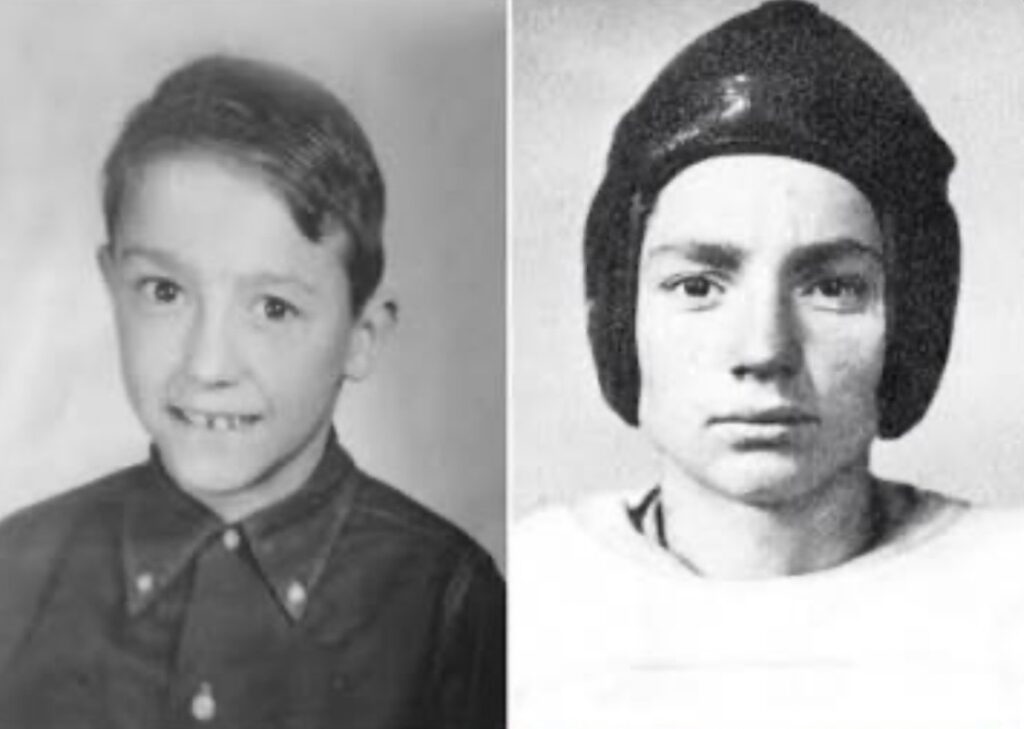
Louis’s professional journey led him to the Pratt Institute, one of the most prestigious art schools in the country. He chose industrial design, but his education was a hard-earned victory. To pay for his studies, he joined the Reserve Officers’ Training Corps (ROTC). This decision provided financial stability and set the stage for a pivotal chapter in his life.
After graduating in the late 1950s, Louis served in the U.S. Army for nearly five years as a helicopter pilot. He later recalled being among the first officers to master what was then a brand-new form of military aviation. The Army hardened his character, instilling a sense of discipline and responsibility that he carried back to New York, where he completed his master’s degree and began building his design legacy.
The Face of the “Forgotten War” — A Career Masterpiece
While Louis Nelson’s half-century of work includes dozens of major projects, one stands above the rest: the mural wall at the Korean War Veterans Memorial in Washington, D.C. It is a space where stone speaks with the voices of thousands.
Opened in 1995, the heart of the memorial is a 164-foot-long wall of black granite—restrained, silent, yet emotionally overwhelming. Etched onto its surface are over 2,400 images of military personnel. These aren’t just frontline soldiers; they are the people “behind the scenes”—medics, pilots, radio operators, and engineers. It is a story not just of the front lines, but of the entire support system that sustained them.
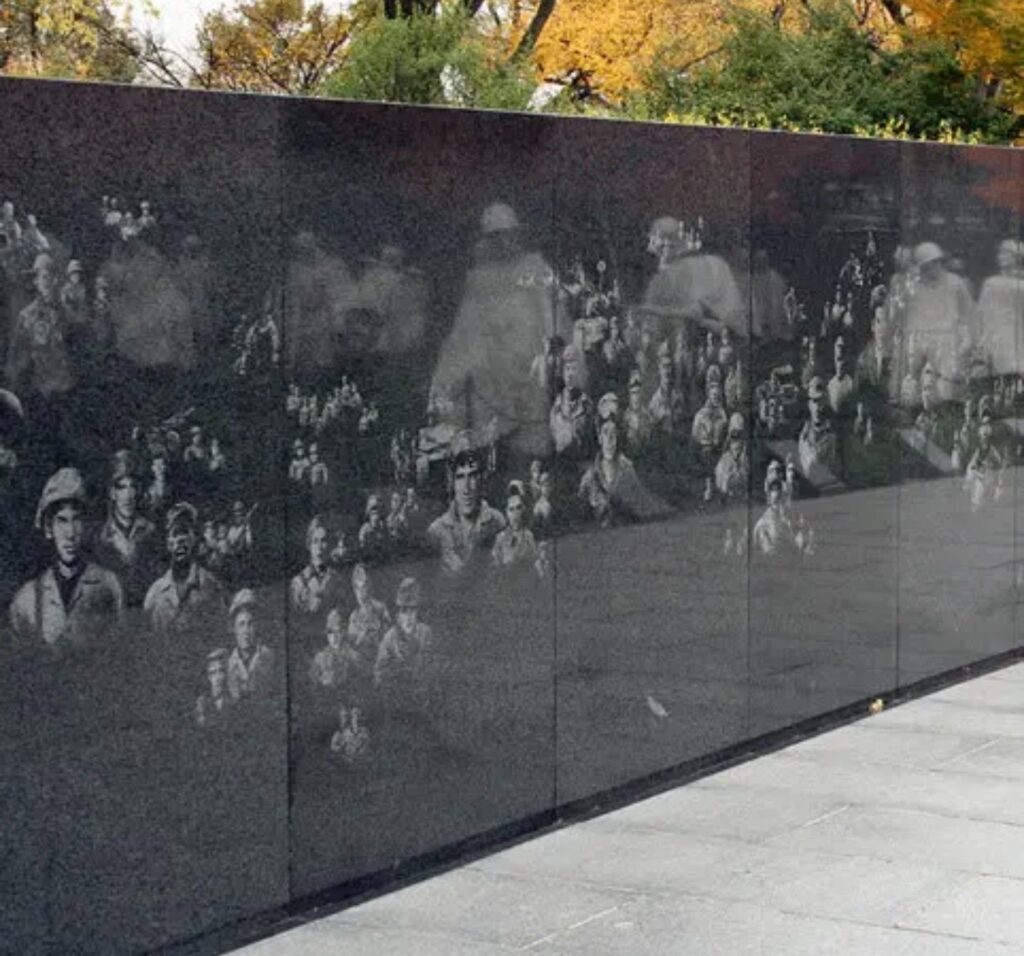
Nelson spent months poring over archival photographs, staring into the faces of the men and women who served. In their expressions, he found the core truth: not heroic grandiosity, but profound human reality. He then translated that truth into stone.
The mural does not exist in a vacuum; it interacts with its surroundings. Opposite the wall stand 19 stainless steel statues of soldiers sculpted by Frank Gaylord. The polished granite reflects these figures, doubling them to create a symbolic total of 38. This number is deliberate, representing the 38th Parallel that divided Korea and the 38 months the war lasted.
Interestingly, the memorial almost looked very different. The Commission of Fine Arts originally opposed the depiction of weapons. It was Nelson who suggested dressing the soldiers in ponchos to partially obscure their rifles. This created the haunting, ghostly effect we see today—figures that seem to dissolve into the mist, a nod to the cold, rain, and uncertainty the veterans endured.
The wall itself is built dynamically across 41 panels, with images rising and falling like waves to echo the landscape. From a distance, it resembles the mountain ranges of Korea. Up close, you see the eyes—thousands of eyes looking directly back at you.
Nelson wrote that he wanted to make the wall “personal and compassionate.” You feel it as you walk through. As visitors pass between the statues and the mural, they inevitably see their own reflection in the polished stone. Memory ceases to be just history; it becomes a dialogue.
For Nelson, this work was deeply personal. As a student, he had studied alongside veterans returning from Korea. Perhaps it was they who became the invisible heroes he eventually immortalized in granite.
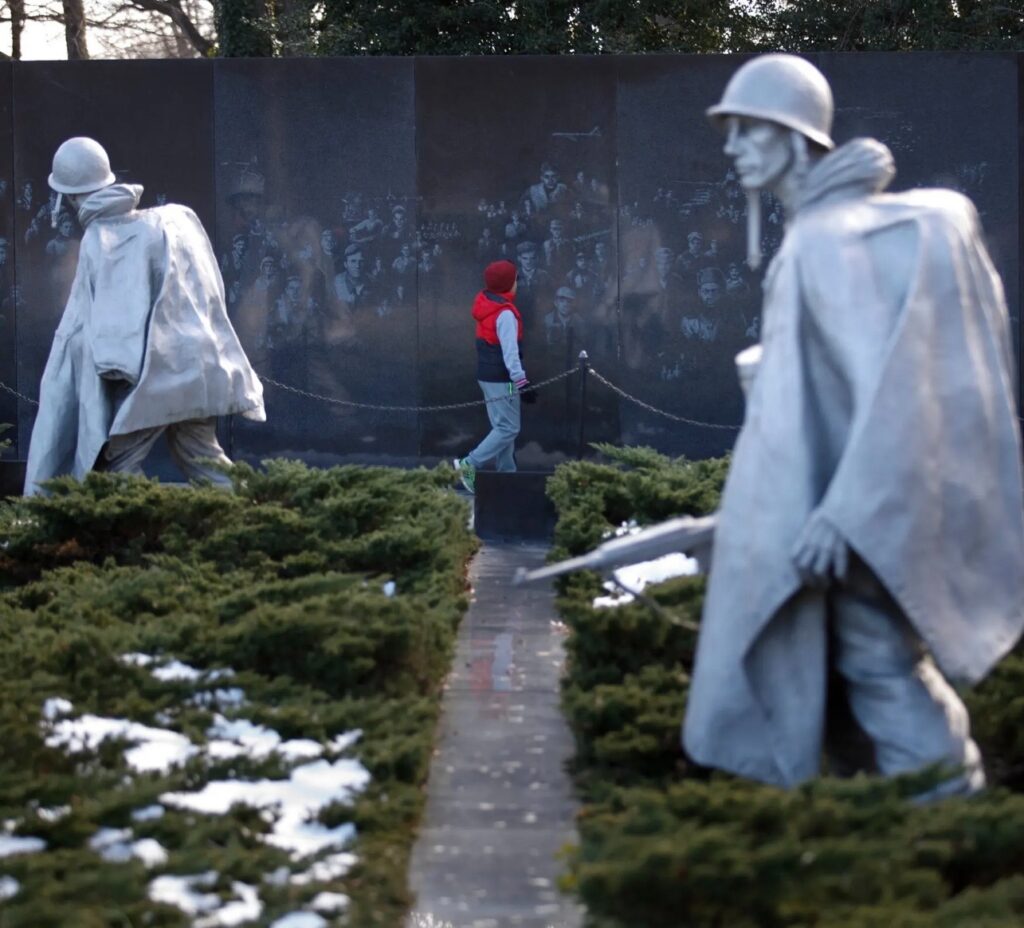
Today, millions visit the memorial annually. Each person walks the same path—between the figures, past the wall, toward the water. It is a journey not just through physical space, but through a memory that is complex, painful, and absolutely necessary.
A Language of Forms and Meanings: The Work of Louis Nelson
Louis Nelson’s name is woven into the fabric of American life through a staggering array of projects. His creativity knew no bounds: from corporate identity and packaging to complex wayfinding systems and even film production. Nelson thought far beyond the role of a traditional designer; he was a strategist who understood how to tell stories through form, color, and space. He summarized his philosophy simply:
“Design sets a standard that affects our attitude toward quality and our sense of well-being.”
One of his most ubiquitous contributions is the Nutrition Facts panel—a design familiar to anyone who has ever picked up a food product in a supermarket. Created for the U.S. Food and Drug Administration, it revolutionized how Americans read food information. Concise, clear, and honest, it became a global standard that still defines market transparency today.
But his impact stretches much further. Nelson mastered projects at the intersection of the public and private sectors:
- United Nations Medals: He designed the medal honoring fallen peacekeepers.
- Wayfinding Systems: He developed navigation for major transportation hubs, from John F. Kennedy International Airport to the New York City Subway.
- Civic Spaces: He designed environments, exhibitions, and even iconic restaurants.
Nelson had a unique ability to think in symbols. The Dag Hammarskjöld Medal, which he created, takes the form of a clear crystal. It is designed to be held in the palm of the hand like something deeply personal. In its transparency, it reflects the fragility of life, its strength, and a memory that cannot be lost.
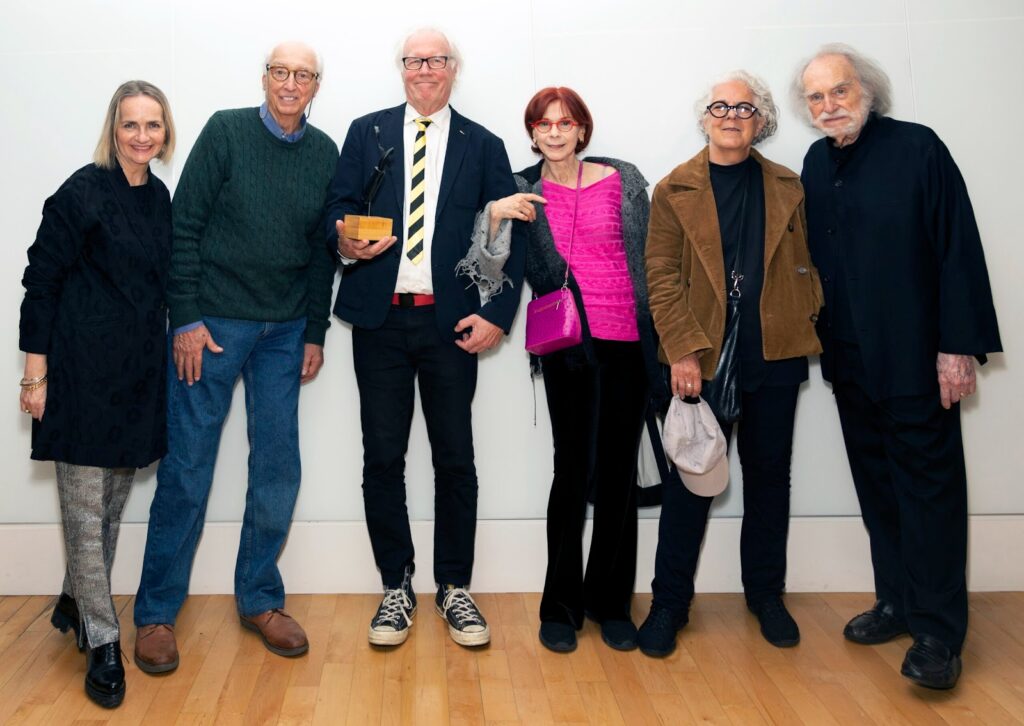
His design language was universal, functioning as effectively in global monuments as it did in the tiny details of everyday life. This earned him recognition from nearly every major professional body, from the AIGA to international design awards. In 2013, his alma mater, the Pratt Institute, honored him with a Lifetime Achievement Award.
Beyond his studio, Louis Nelson remained a mentor and advocate for design education. For him, design was never just a job; it was a language used to explain and improve the world. Perhaps that is why his works are so diverse in form but consistent in essence: they are always about the human experience.
A Balance of Intimacy and Freedom
Louis Nelson’s personal life was just as vibrant as his professional career. In 1978, at a charity event in New York, he met the legendary singer-songwriter Judy Collins. Their story began unexpectedly; Nelson, a longtime admirer of her music, later admitted he found it almost unbelievable that she would take an interest in him.
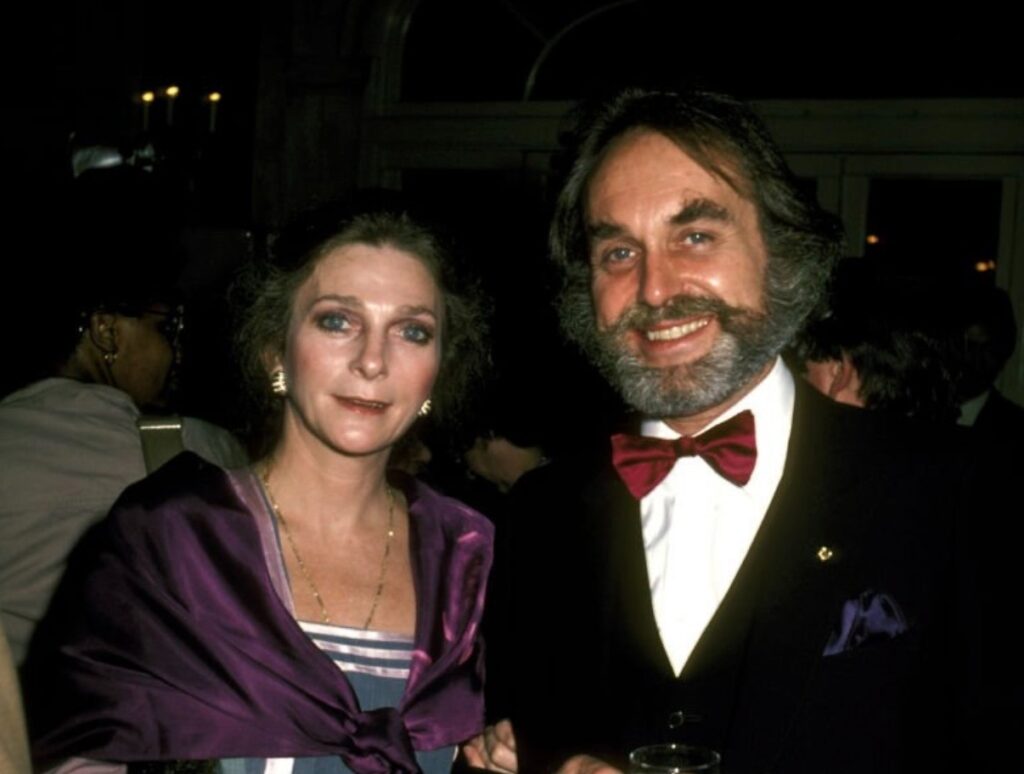
Their connection grew slowly and steadily. It was only after nearly two decades together, in 1996, that they decided to marry. Even as a married couple, they maintained their own individual spaces, living between Manhattan and Connecticut. Collins later noted that this independence was one of the secrets to their long-lasting relationship—a perfect balance of intimacy and personal freedom.
Their life together was a whirlwind of creativity: she toured the world, he tackled new design frontiers, and in between, they found time for quiet dinners and long conversations. Judy Collins’ resilience—having navigated immense personal tragedies and addiction while maintaining her optimism—deeply influenced Nelson. He found himself becoming less critical of the world and more attuned to the beauty within it. He once remarked:
“I went through life as a designer being very critical of things around me… All the cars look the same. There’s nothing unique. Now, I go through life and I don’t really see things that could be better or improved. I’ve turned into a much more positive person.”
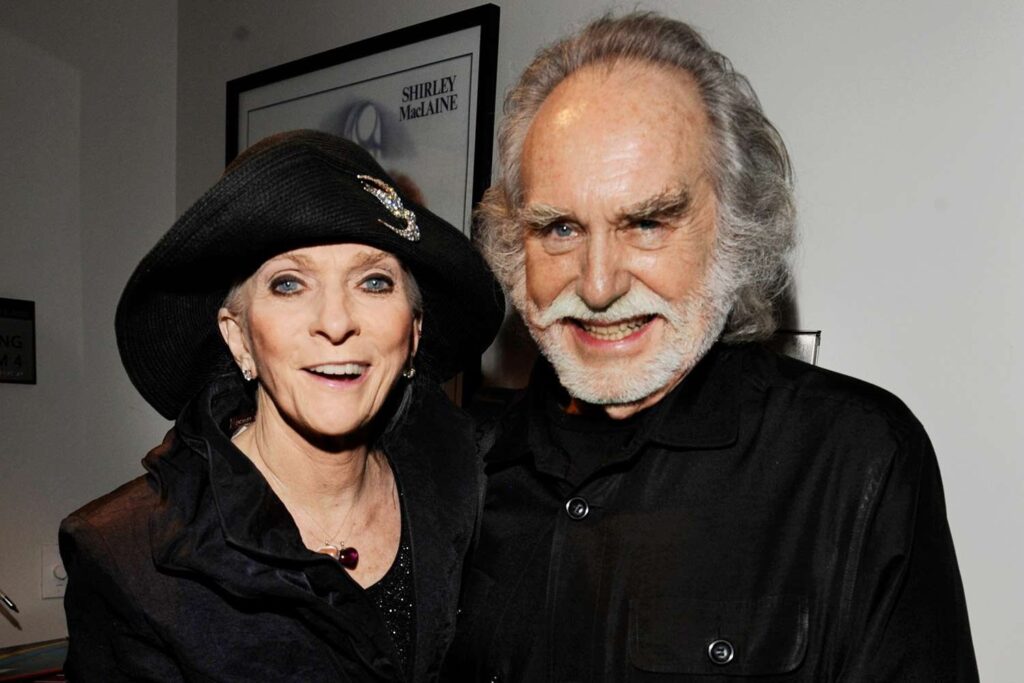
Louis Nelson’s final days were sudden. In November 2024, while being treated following a fall, doctors discovered he had cancer. Just a few weeks later, on December 4, Nelson passed away at the age of 88 in a Manhattan hospital. His wife remained by his side until the very end.
He leaves behind not only a legacy of iconic designs but also the story of a great partnership—a union of two people who, while preserving their own freedom, managed to walk through nearly an entire lifetime together.