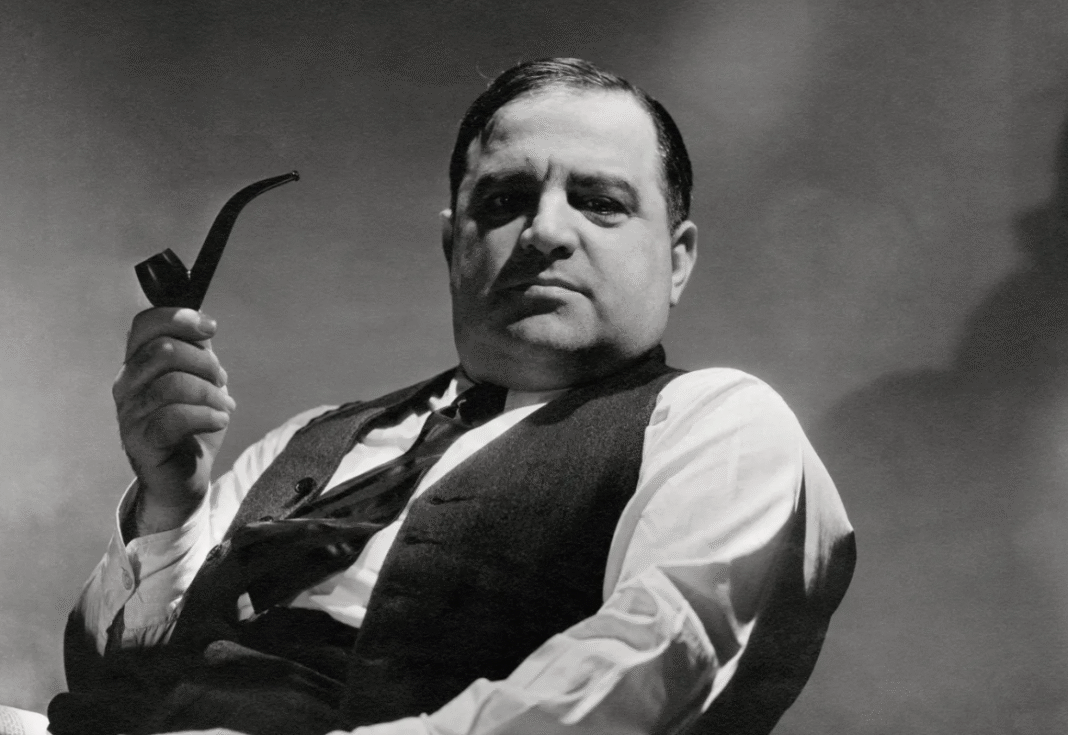

The name Fiorello La Guardia is inextricably linked with the transformation of New York City into a modern metropolis. He went down in history as one of the city’s most successful mayors, leading New York from 1934 to 1945. His tenure coincided with one of the most challenging periods in American history: overcoming the aftermath of the Great Depression, tackling widespread unemployment, and navigating the difficult years of World War II. Next on new-york-yes.com.
La Guardia earned a reputation as a politician who was not afraid to take on corrupt officials, criminal syndicates, and powerful political machines. He completely overhauled the system of municipal governance, launched large-scale infrastructure projects, expanded social welfare programs, and secured substantial federal funding that transformed the face of New York.
Early Career
Fiorello Henry La Guardia was born on December 11, 1882, in New York’s Greenwich Village. His father, Achille Luigi Carlo La Guardia, was an Italian native from Foggia, while his mother, Irene Luzzatto-Coen, came from a Sephardic Jewish family in Trieste. Due to his father’s service in the U.S. Army, the family moved frequently, living in Arizona, South Dakota, Missouri, and Italy. As a result, the future mayor became fluent in several languages. This linguistic ability later served him well during his work as an interpreter on Ellis Island, where he helped process immigrants arriving in the United States.
In 1910, La Guardia graduated from New York University School of Law and was admitted to the bar to practice law.
Political Career
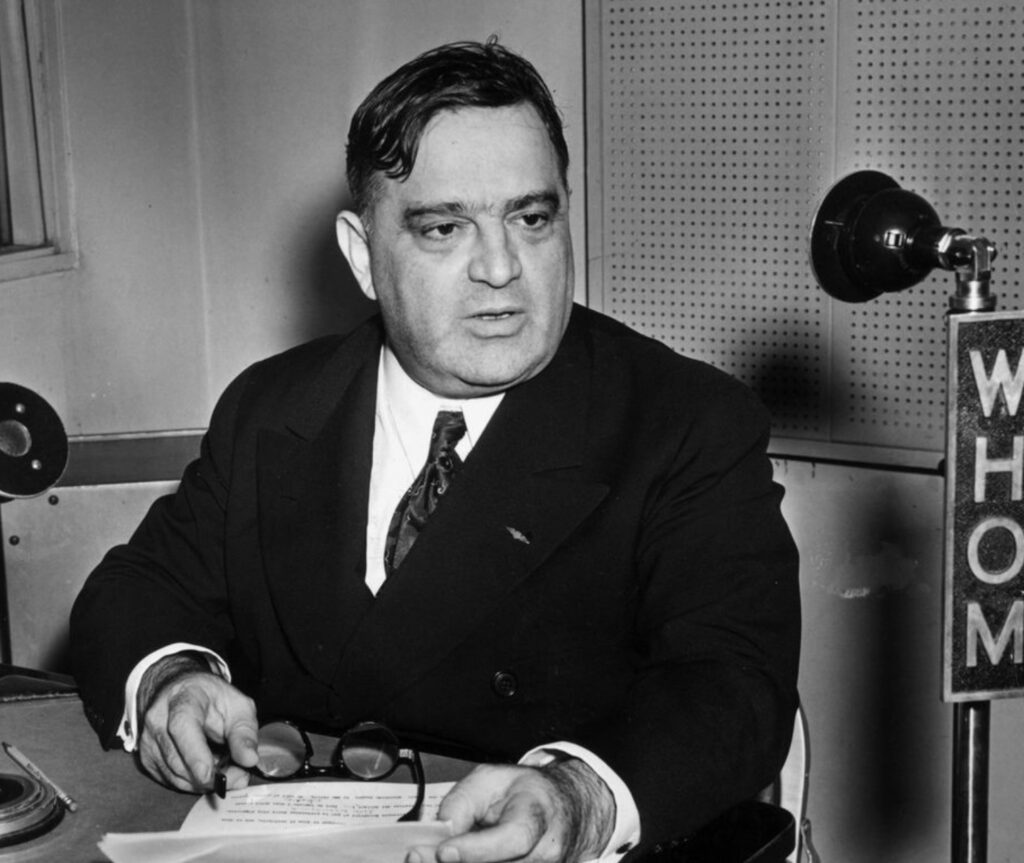
Even before becoming mayor of New York City, Fiorello La Guardia had accumulated extensive political experience. He was twice elected to the U.S. House of Representatives from New York State, consistently championing progressive reforms, advocating for workers’ rights, pushing for government reform, and leading the fight against corruption. During World War I, La Guardia volunteered for the U.S. Army, served as a military aviator in Italy, and rose to the rank of major. It was this combination of military discipline, legal training, and political experience that shaped his management style, eventually making him one of the most effective mayors in New York’s history.
Mayor of New York City
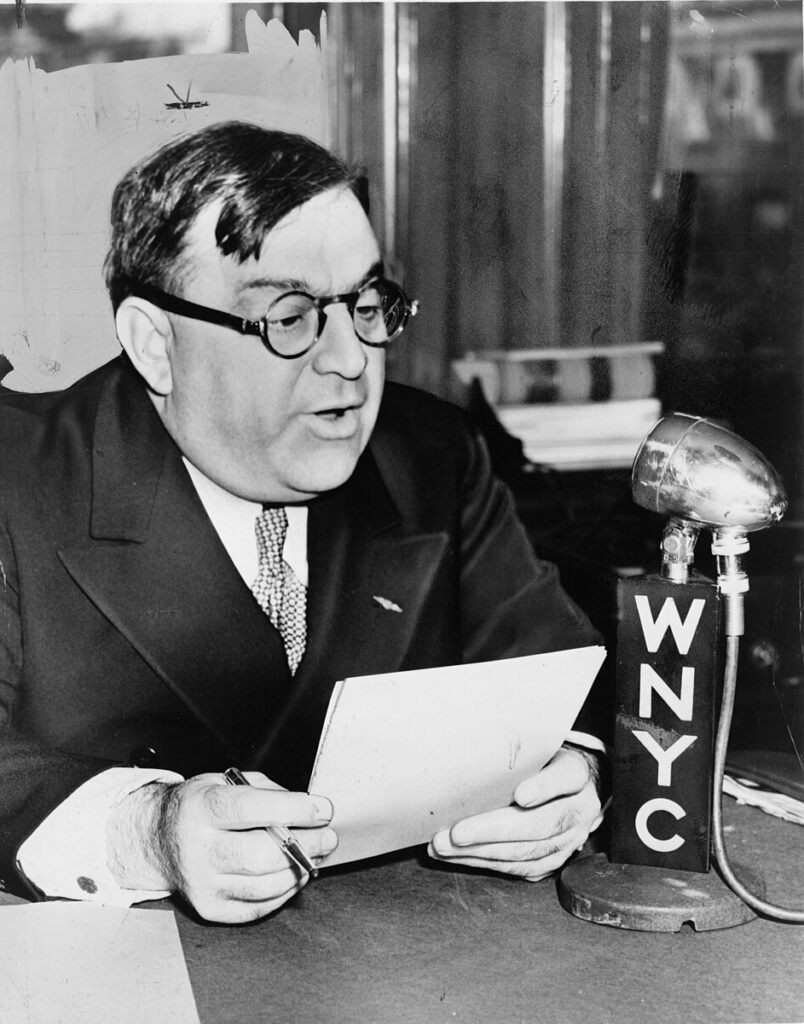
In the early 1930s, New York City was reeling from a severe crisis. The city was struggling under the weight of the Great Depression, while the influential Tammany Hall political machine had controlled appointments, budget allocations, and municipal power for years. Following a series of high-profile corruption scandals, Mayor Walker resigned. In the 1933 election, La Guardia led a reform coalition of Republicans, independents, and reform Democrats, running on a bold platform to:
- eradicate corruption;
- reform the municipal administration;
- ensure the honest use of public funds;
- modernize New York City;
- rid the city of organized crime.
He won a decisive victory and officially took office as mayor on January 1, 1934.
His relentless campaign against organized crime became one of the main reasons for his enduring historic popularity. During his very first days in office, La Guardia instructed the police department to aggressively crack down on mob syndicates. The mayor paid special attention to the crime bosses who controlled New York’s illegal rackets.
One of the mayor’s primary targets was mob boss Charles “Lucky” Luciano. La Guardia demanded that law enforcement officials find solid legal grounds to bring him to justice. In 1936, special prosecutor Thomas E. Dewey concluded a massive investigation into the forced prostitution ring controlled by Luciano. The court found the mobster guilty, sentencing him to 30 to 50 years in prison. The case dealt a devastating blow to the American Mafia.
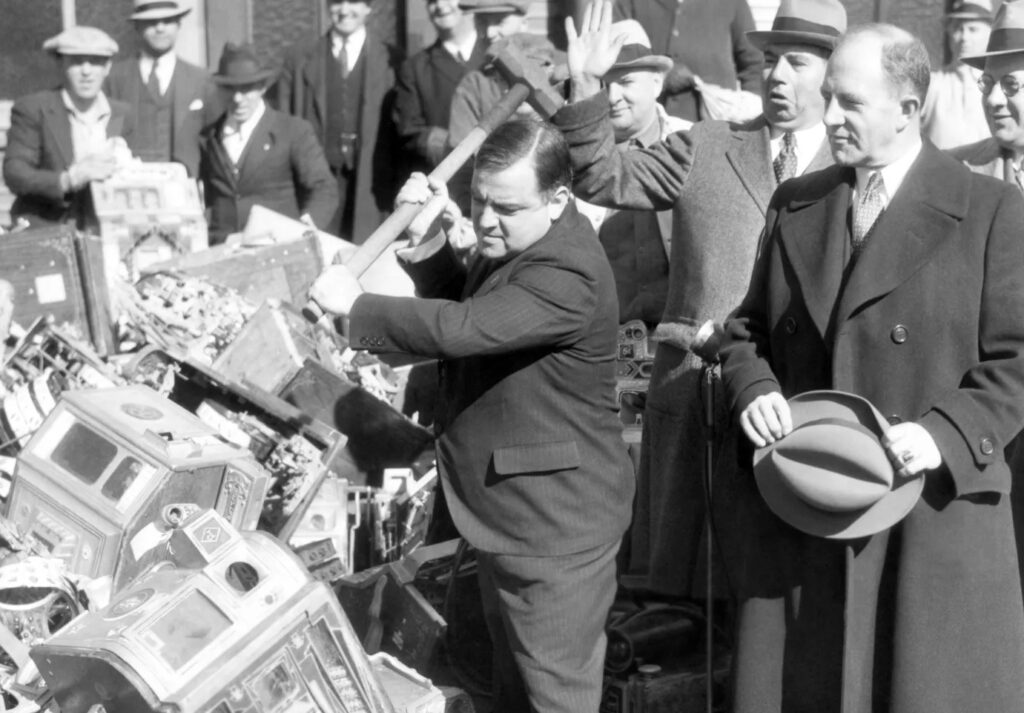
In 1934, La Guardia ordered the seizure of thousands of slot machines that generated massive profits for the Mafia. The mayor personally took part in their destruction: in front of news cameras, he smashed the machines with a sledgehammer, after which they were loaded onto barges and dumped into the waters surrounding New York. Photographs of these raids swept across America, becoming an iconic symbol of city government fighting organized crime.
In 1935, mob organizations artificially inflated artichoke prices. La Guardia took an unconventional step: he temporarily banned the sale, display, and even possession of artichokes in the city. Once the mob’s monopoly was broken and prices normalized, the ban was lifted. Though unusual, this move demonstrated the mayor’s willingness to leverage legal administrative tools to dismantle criminal enterprises.
In the early 1940s, La Guardia also banned pinball machines, viewing them as a form of gambling that channeled revenue into mob coffers. Massive police raids led to the confiscation of thousands of machines across the city.
During La Guardia’s tenure, municipal services were thoroughly overhauled. The administration introduced strict oversight over municipal spending, making city government more professional and far less dependent on backroom political deals. Additionally, the New York City Police Department was reformed, and social safety nets for the unemployed were expanded during the worst years of the Great Depression.
Fiorello La Guardia actively collaborated with President Franklin D. Roosevelt’s administration to secure federal funding for job creation. Through federal programs like the Civil Works Administration (CWA), the Public Works Administration (PWA), and the Works Progress Administration (WPA), the city received substantial funds to construct public infrastructure, reducing unemployment and spurring economic growth.
Why Is La Guardia Considered New York’s Greatest Mayor?
Many historians regard La Guardia as the figure who laid the foundation for modern New York City. He revolutionized municipal governance, restored the city’s financial stability, secured record federal investments, expanded social programs, and drastically reduced corruption. His political legacy remains a subject of study for historians, economists, and urban planners alike. In a 1993 survey of American historians, political scientists, and urban experts conducted by Professor Melvin G. Holli, Fiorello La Guardia was ranked as the greatest mayor of a major American city for the period between 1820 and 1993.
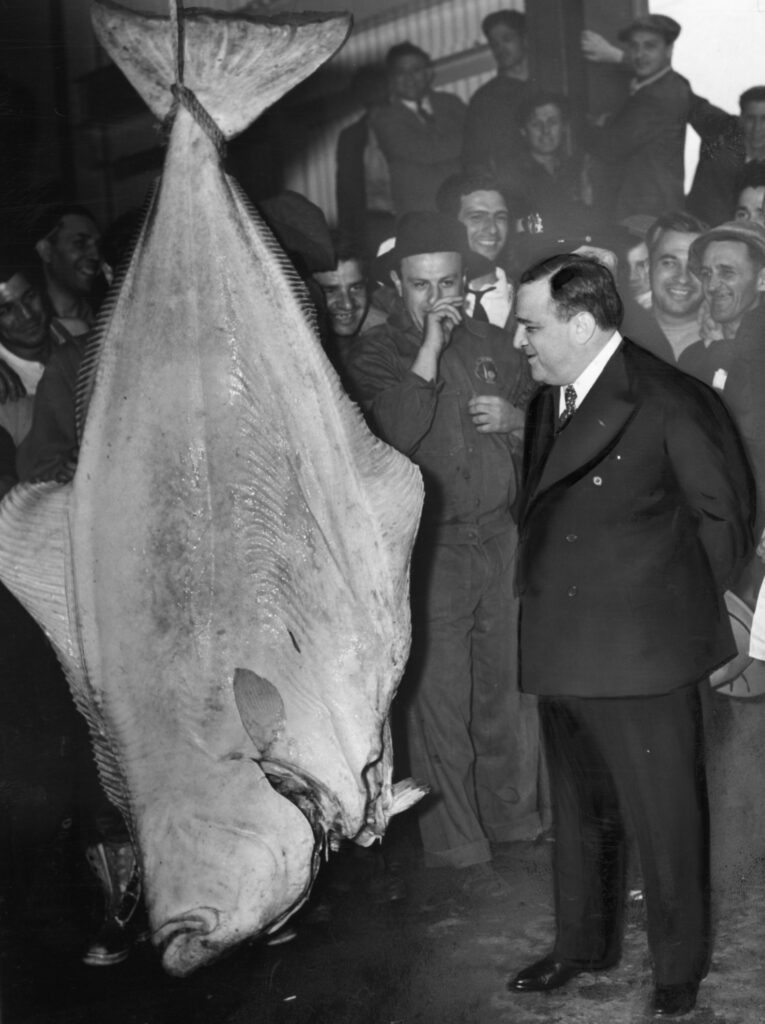
After completing his mayoral tenure, La Guardia headed the United Nations Relief and Rehabilitation Administration (UNRRA), worked in radio broadcasting, and remained active in public service. In 1947, doctors diagnosed him with pancreatic cancer. Fiorello La Guardia passed away on September 20, 1947, at the age of 64. Named in his honor are LaGuardia Airport in New York City, LaGuardia Community College, and the Fiorello H. LaGuardia High School of Music & Art and Performing Arts, alongside a statue erected in Greenwich Village. In 1976, the U.S. Postal Service issued a commemorative postage stamp featuring his portrait.
Fiorello La Guardia stands as an enduring symbol of effective urban management, honest politics, and transformative reform. His legacy encompasses fighting corruption, taking on organized crime, modernizing New York’s infrastructure, advancing social welfare policy, and steadfastly protecting workers’ rights.