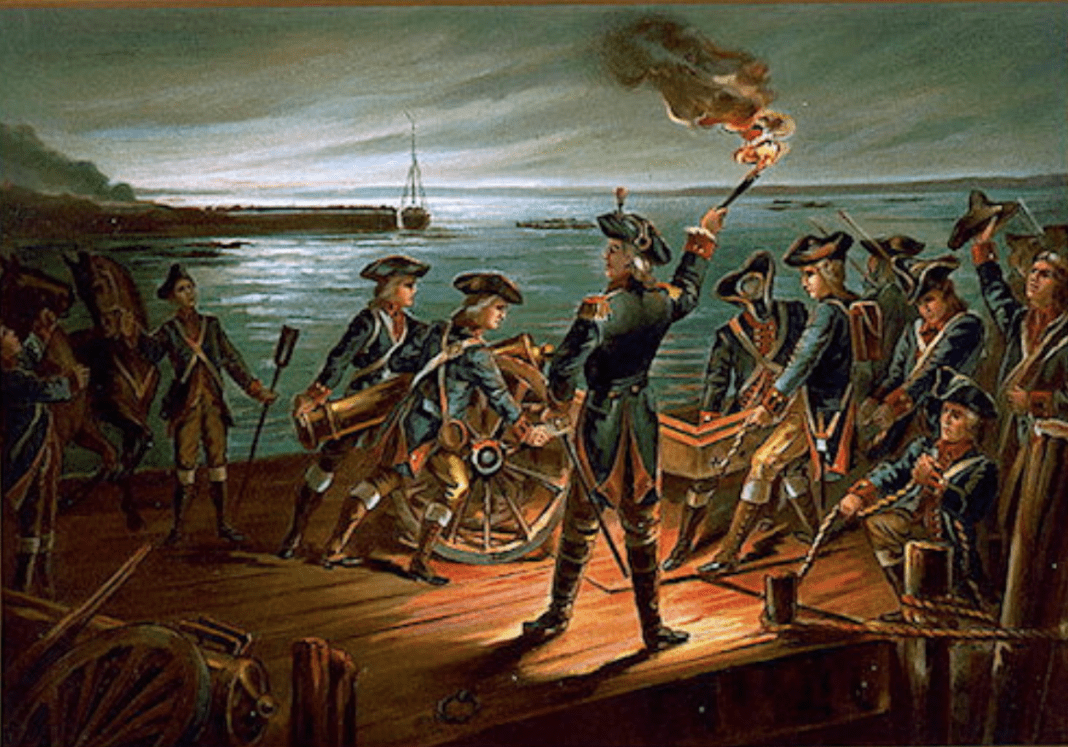

The Battle of Long Island, also known as the Battle of Brooklyn, was a significant event that occurred during the American Revolutionary War of 1775-1783. This battle took place in the summer of 1776 between British forces and the Continental Army. It was one of the largest battles of the entire eight-year war. More on new-york-yes.com.
Advantages of the Warring Sides
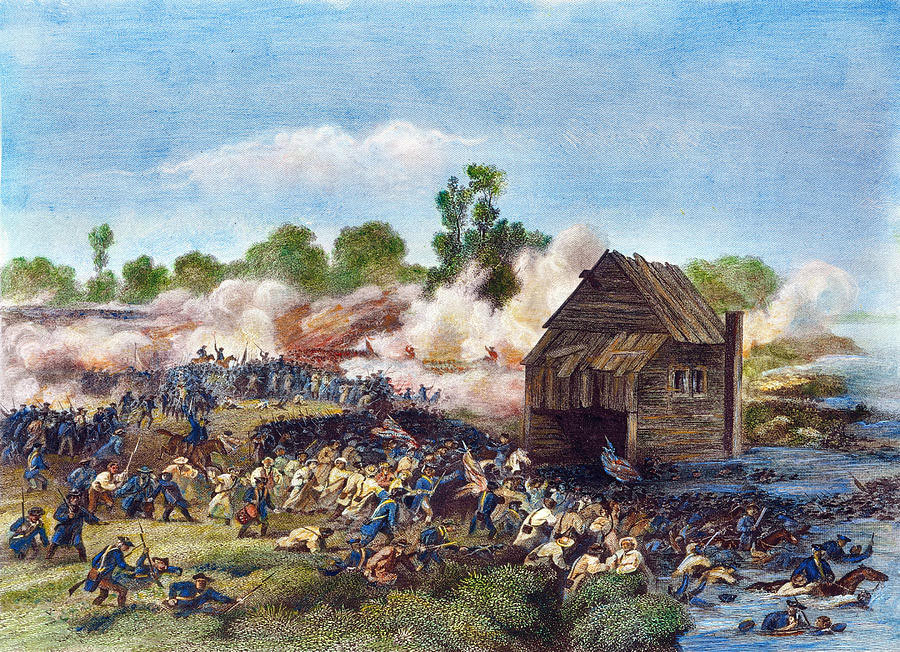
The notable battle, which took place in the territory of New York, began with the British army, led by General William Howe, landing on Long Island. Their main objective was to capture New York City, as this city was a very important strategic target in this war. It had a very well-developed transportation network that allowed for attacks on other American cities. Additionally, New York had a huge port and a river junction, which facilitated necessary supplies and rapid troop movement.
Meanwhile, in New York, the Continental Army, commanded by General George Washington, awaited the British. They were positioned on the highest points of Brooklyn, anticipating the British move.
This battle was doomed to fail for the American forces from the very beginning, as the British army significantly outnumbered the Continental Army. Furthermore, the British possessed vastly superior and more powerful weaponry. They also held a significant advantage in artillery.
However, despite this initial disadvantage, General Washington chose a very skilled and strategically sound position on the Brooklyn Heights. This position allowed the Continental Army to hold a defensive stand for some time in New York.
The Battle’s Commencement and Outcome

The fierce battle for New York commenced early in the morning of August 27, 1776, with a British assault on Washington’s Continental Army positions. General Howe’s well-equipped British army made several attempts to break through the American lines in Brooklyn, but they were unsuccessful. To their surprise, the British met fierce resistance. The Americans fought very bravely for their freedom and independence but were ultimately overwhelmed by the British army’s immense numbers.
The British victory in the Battle of Long Island and the capture of the strategically vital city of New York dealt a severe blow to the Continental Army. Besides losing a crucial transportation hub and economic center, the Americans suffered heavy casualties. Over 2,000 soldiers were killed in the battle, with many more wounded and taken prisoner. Meanwhile, British losses were negligible.
New York City remained under British control for seven years after the Battle of Long Island until the Americans achieved their long-awaited victory and independence in 1783.
Despite General Washington’s Continental Army suffering a defeat in the Battle of Long Island, it proved to be an important learning experience. General Washington realized that he could not win a conventional battle against the powerful British army and instead focused on guerrilla tactics. This strategy proved successful in later stages of the war, as the Americans were able to wear down British forces through a series of skirmishes and ambushes.
The Battle of Long Island was a significant event in the American Revolutionary War of 1775-1783. The British victory was a severe setback for the Continental Army, but it provided a crucial lesson for their future battle tactics. Undoubtedly, this battle became a turning point in America’s War of Independence and helped shape the Continental Army’s strategy all the way to their victory over the British in 1783.