
Granting rights to women was a critical stage in human development, fostering equality, expanding opportunities, and strengthening democratic values. Access to education, the right to vote, and participation in political life allowed women to actively influence societal processes. This also spurred economic growth, as women gained the ability to work on equal terms with men, making significant contributions to science, culture, and business. Do you know how the fight for women’s rights developed in New York? Learn more in this article from new-york-yes.
The Birth of the Women’s Suffrage Movement in New York State
New York has long been a center of political, cultural, and social change, and the movement for women’s rights was no exception. The state has a rich history of women challenging societal norms to secure a better future for themselves and for generations to come.
The story of the fight for women’s rights in New York begins with a pivotal meeting in 1848. Organized by Elizabeth Cady Stanton and Lucretia Mott, the Seneca Falls Convention marked the beginning of the organized women’s rights movement not only in New York but across the United States. Attendees signed the Declaration of Sentiments, which asserted that “all men and women are created equal.” This was the start of a major battle for equality.
It is also important to note Victoria Earle Matthews, a prominent figure in the suffrage movement who was born into slavery in Georgia. After moving to New York, she became a well-known suffragist. In 1892, she founded the Woman’s Loyal Union and later helped establish the National Federation of Afro-American Women, emphasizing the intersection of race and gender in the struggle for equality.
Problems Faced by Women in 19th-Century New York
In the early 19th century, New York faced numerous social, economic, and legal challenges that fueled the growth of the women’s rights movement. The main problems women of that era faced included a lack of legal rights, limited educational and employment opportunities, poor working conditions and low wages, no political representation, and social and legal inequality in marriage.
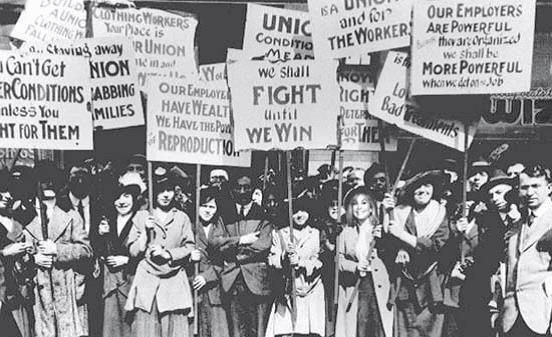
Women had very few legal rights, especially in marriage. Under the legal doctrine of coverture, a married woman’s property, earnings, and even her legal identity were controlled by her husband. For the most part, 19th-century women in New York could not own property independently, sign contracts, or initiate a divorce. Furthermore, women had few opportunities for higher education and were largely confined to domestic duties. Those who did work were mainly employed in low-paying, labor-intensive jobs, such as in textile factories, as domestic servants, or as teachers. Professional careers in law, medicine, and business were inaccessible to them. It’s also important to note that women’s voices were not counted. The women of New York were completely excluded from voting and political participation. Laws were passed and enforced without their input, leaving them with no direct influence on the policies that directly affected their lives. As industrialization gained momentum in New York, women, especially from lower-income backgrounds, worked long hours in harsh and dangerous factory conditions. The exploitation of female labor included low wages and a lack of job security. But most appallingly, women had no legal right to fight against domestic violence, and divorce laws overwhelmingly favored men. Custody laws almost always granted fathers full rights to children in the event of a separation.
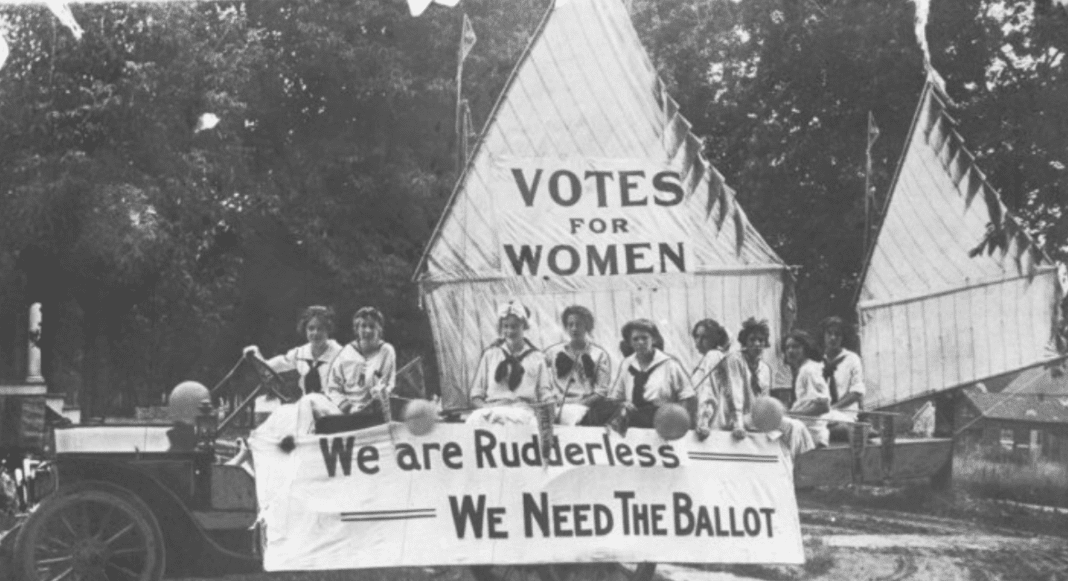
These conditions ultimately led many women in New York to become activists in the fight to expand their rights. It was these issues that prompted Elizabeth Cady Stanton and Lucretia Mott to organize the 1848 Seneca Falls Convention, the first formal assembly advocating for women’s rights. This event marked the beginning of the women’s suffrage movement in the United States, which fought for decades to secure equal rights, ultimately leading to the passage of the 19th Amendment in 1920, granting women the right to vote.
Victories and Setbacks in the Fight for Women’s Suffrage
It’s important to note that it took more than one decade before women were granted all the rights mentioned above. For many years, women persistently held rallies, organized meetings, and promoted their goals and ideas in every way possible. But for a long time, these efforts yielded no results.
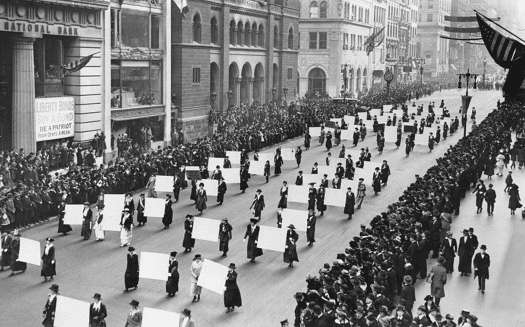
In the early 20th century, the women’s suffrage movement in New York intensified significantly, likely reaching its largest number of supporters. For example, in 1910, about 10,000 people gathered in Union Square to demand the right to vote for women. But it was not until 1917, after many years of persistent campaigning, that New York State granted women the right to vote.
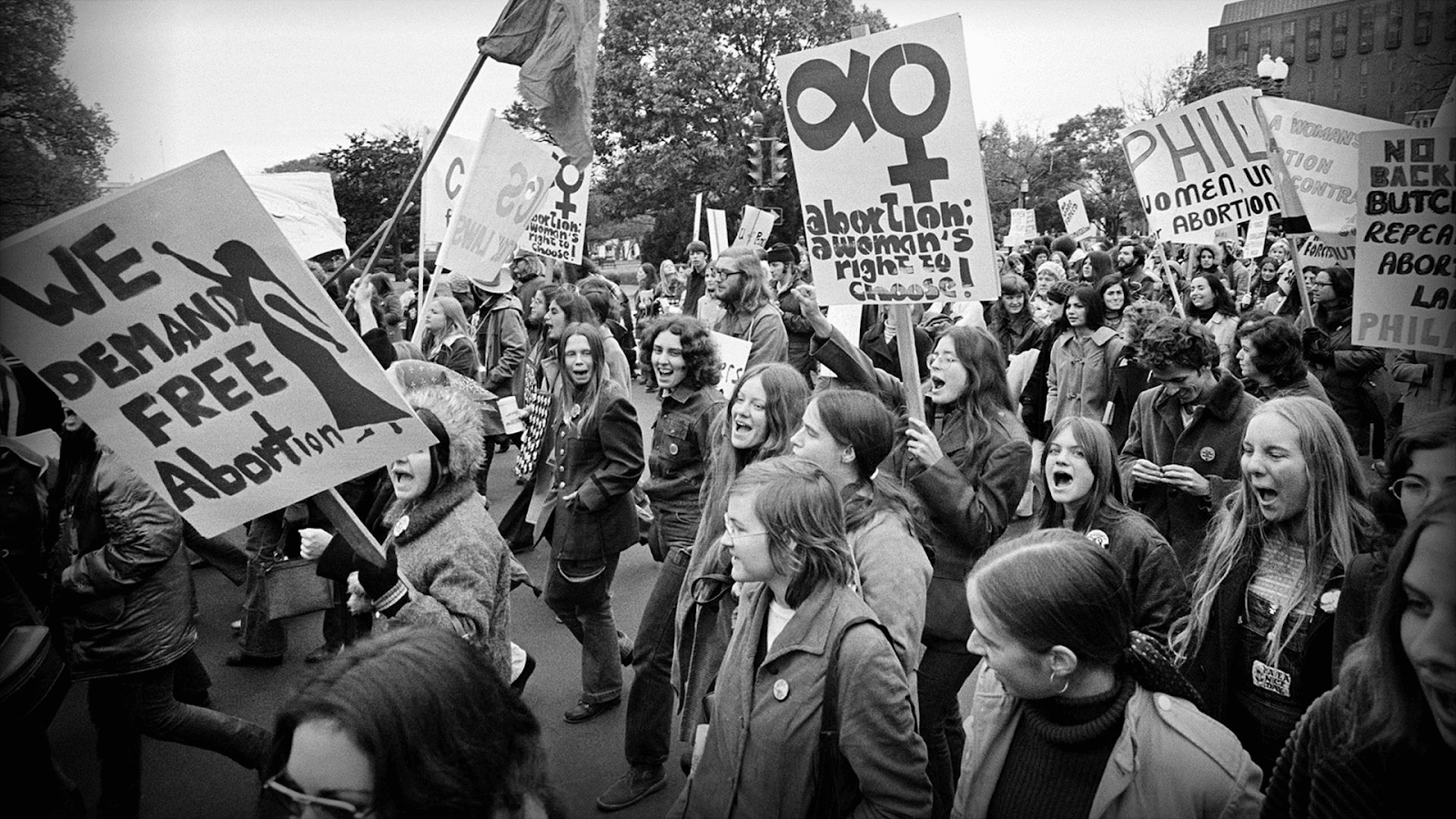
By the 1970s, New York had become an epicenter of the women’s equality movement. Activists tackled issues such as sexual politics, motherhood, and economic independence. The city was a hub for organizations advocating for equal rights.
However, it should be noted that the fight for women’s rights did not end in the 20th century; it continues into the 21st, addressing issues such as reproductive rights, workplace equality, and the fight against gender-based violence.
- https://nyassembly.gov/member_files/058/20090226/
- https://www.governor.ny.gov/programs/fight-womens-rights-new-york-state
- https://www.nps.gov/wori/index.htm
- https://www.mcny.org/exhibition/woman-suffrage
- https://www.nysl.nysed.gov/collections/womenssuffrage/
- https://www.mcny.org/exhibition/womens-liberation-new-york