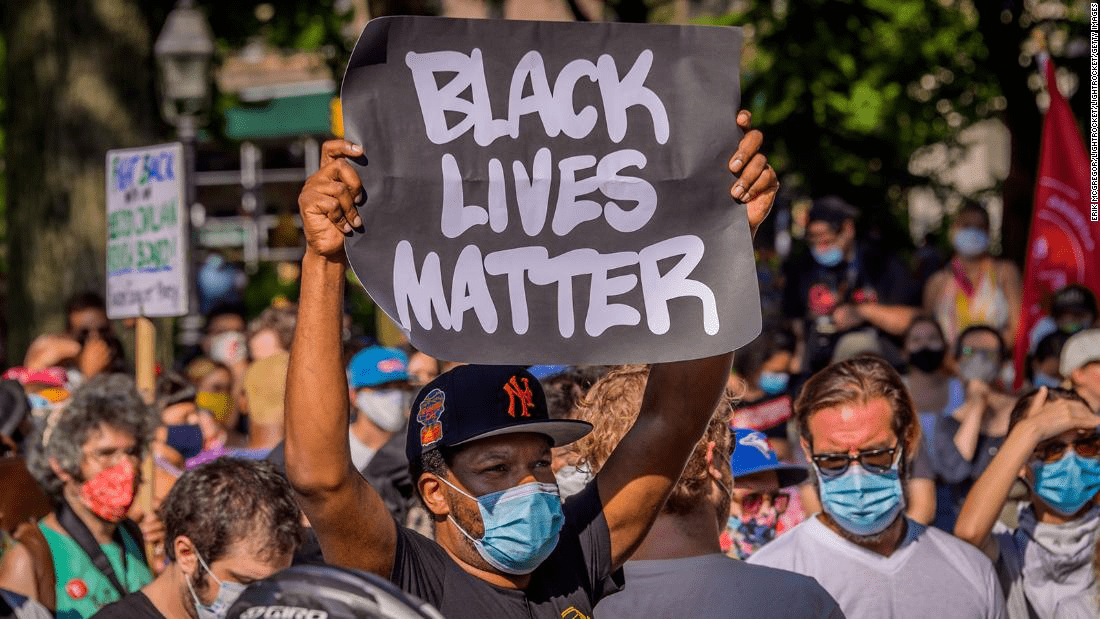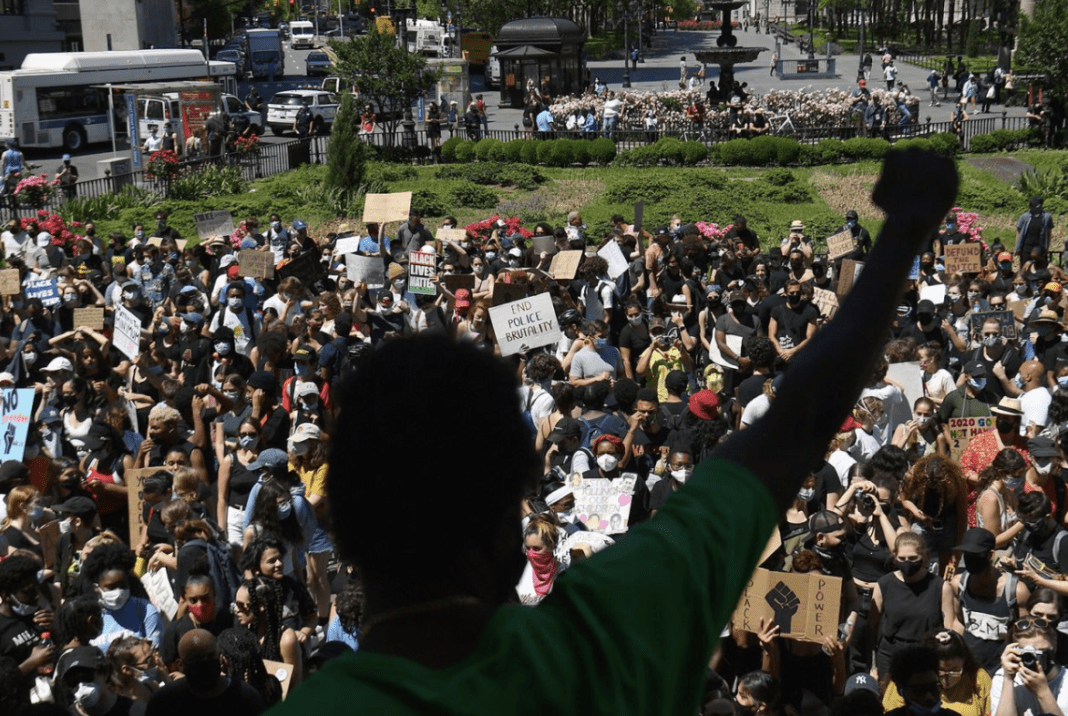

“Black Lives Matter” has become one of the most influential social justice movements of the 21st century. It has shaped the conversation on racial justice, policing, and civil rights in New York City and the United States as a whole. What began as a hashtag in 2013 has evolved into a global movement advocating for the rights and dignity of Black people. But how did it all begin, and what impact has it had on society? Learn more at new-york-yes.
Trayvon Martin and the Birth of the Movement
The origins of the Black Lives Matter movement trace back to February 26, 2012, when Trayvon Martin, a 17-year-old Black teenager, was fatally shot in Sanford, Florida, by George Zimmerman, a neighborhood watch volunteer. Martin was unarmed, carrying only a bag of Skittles and an iced tea, but Zimmerman claimed self-defense.
In July 2013, a jury acquitted Zimmerman on all charges, sparking outrage across the country. Many viewed the verdict as a failure of the justice system, intensifying concerns about racial profiling and violence against Black Americans.
In response, Alicia Garza, Patrisse Cullors, and Opal Tometi, three Black activists, coined the hashtag #BlackLivesMatter on social media. The phrase soon became a rallying cry, resonating deeply with those who felt the justice system had repeatedly failed Black Americans.
The Growth of the National Black Lives Matter Movement
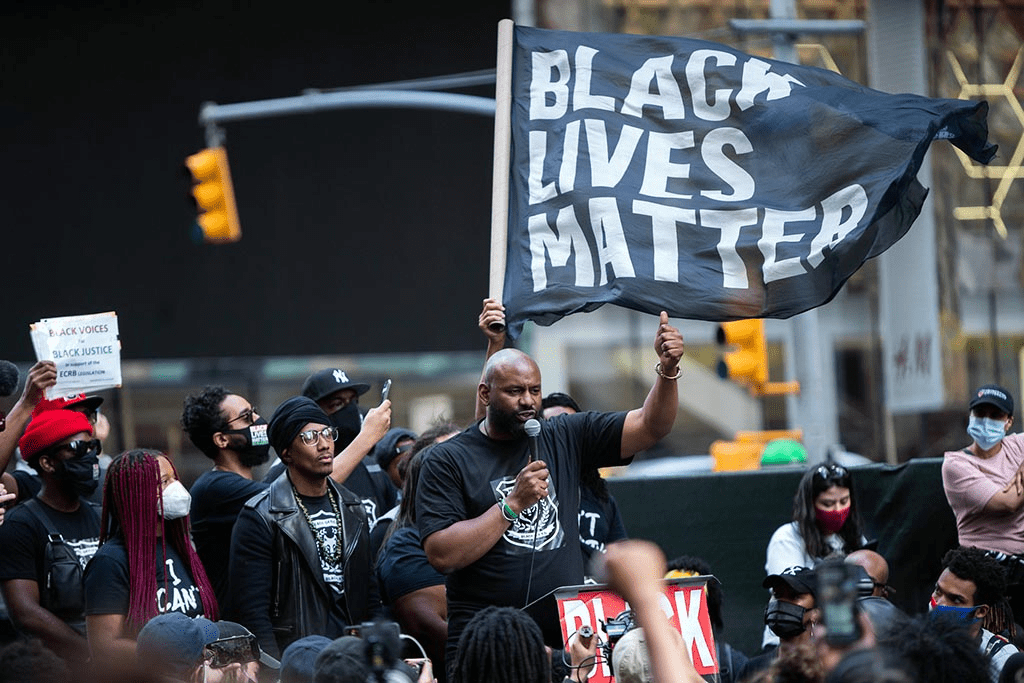
Although the Black Lives Matter movement gained some attention in 2013, it grew into a national movement in 2014. This happened after another killing: that of Michael Brown, an unarmed Black teenager shot by police officer Darren Wilson in Ferguson, Missouri.
Brown’s death led to massive protests in Ferguson. Protesters demanded justice, but the police responded with hostility, using tear gas and rubber bullets. The phrase “Hands up, don’t shoot,” allegedly Brown’s last words, became a powerful symbol of resistance.
As Ferguson became a flashpoint for racial injustice, the Black Lives Matter movement transitioned from a social media campaign to an organized network, with activists uniting in cities across the country.
Other high-profile police killings fueled further activism, including:
- Eric Garner was killed by police in 2014 in New York City after being placed in a chokehold, saying, “I can’t breathe.”
- Tamir Rice was shot and killed in 2014 by Cleveland police officers while playing with a toy gun.
- Freddie Gray died in 2015 in Baltimore from spinal cord injuries sustained while in police custody.
Each case reinforced the Black Lives Matter mission to combat systemic racism, police brutality, and the devaluation of Black lives. By 2019, the movement had gained global scale.
The Black Lives Matter Movement in New York
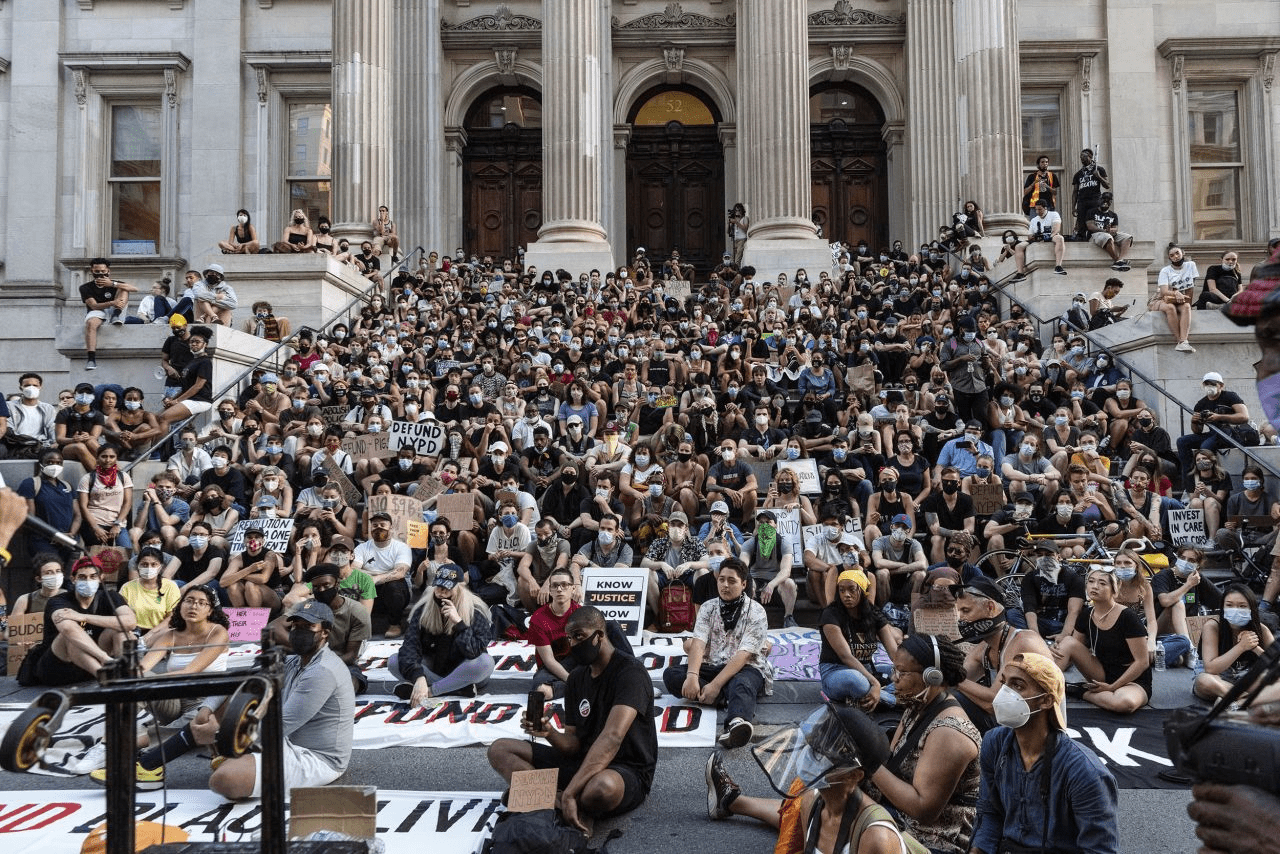
New York has long been a center for social movements, and the Black Lives Matter movement is no exception. Since its inception, the movement has found immense support and countless allies in New York City. This was especially evident in 2014, with the killing of 43-year-old Eric Garner, an African American father of six. From that moment, numerous regular protests and initiatives to combat systemic racism and police brutality began in New York. At the time, The New Yorker wrote extensively about the issues raised by Black Lives Matter.
Notably, Garner’s death from a police chokehold was filmed and widely circulated. The public had powerful evidence of police brutality. The phrase “I can’t breathe,” which Garner uttered with his last breaths during the arrest, became a rallying cry for New York activists. This marked the beginning of the fight against police brutality and systemic racism within the NYPD.
As cases of racism and police brutality against Black individuals continued to emerge across the U.S., the Black Lives Matter movement in New York grew to new scales.
In 2020, following the murder of George Floyd in Minneapolis, New York City held some of the largest demonstrations in its history. Thousands of New Yorkers took to the streets, participating in marches, rallies, and sit-ins, demanding justice and systemic changes within the police structure.
The city’s cultural institutions also became involved in the Black Lives Matter movement. For example, the Museum of the City of New York curated exhibitions that documented the protests and explored the history of Black-led organizing in the city.
In addition to street protests, groups like “Street Riders NYC” emerged in New York, a collective that organized large-scale bicycle protests to raise awareness about systemic racism and police brutality. These events attracted thousands of participants, helping to popularize and sustain the movement.
Activists used social media to coordinate routes and attract new participants. The bike rides became not only a symbol of peaceful resistance but also a way to unite people from different walks of life around a common goal. Similar initiatives later spread to other cities, inspiring activists to find new forms of protest.