
Corruption is a sad reality in many countries and cities. It originated in ancient times and remains one of society’s most complex and deep-rooted problems. It manifests everywhere, in every sector, from government structures and law enforcement to business and education. Unfortunately, no matter how developed and advanced New York City is, corruption remains a “tumor” on it. Learn more at new-york-yes.
Moreover, corruption undermines New Yorkers’ trust in the government, slows economic development, exacerbates social inequality, and creates a favorable environment for organized crime.
The main causes of corruption include weak laws, a lack of transparency, low salaries in the public sector, and the absence of severe punishment for illegal actions.
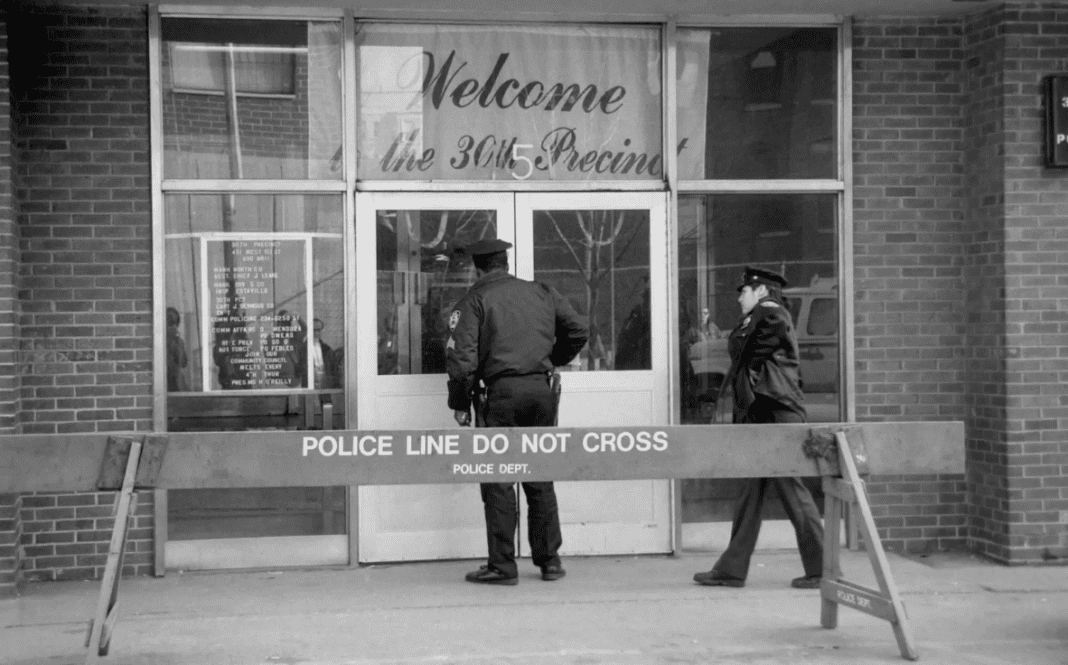
In the 1990s, New York was hit by several corruption scandals at once. It was one of the most turbulent periods in the city’s history of development and establishment. In particular, the corrupt “tumor” infiltrated the New York City Police Department, completely eroding citizen trust.
One of the most high-profile cases of that period was the “Dirty Thirty” scandal, which exposed long-entrenched corruption in the 30th Precinct in Harlem. Officers who had sworn to protect and serve were found guilty of drug trafficking, theft, extortion, and having ties to organized crime. This scandal not only tarnished the department’s reputation but also revealed the systemic failures that allowed corruption to flourish for years.
But despite the complexity of the problem, a successful solution was found that helped significantly reduce the level of corruption. This involved strict legislative regulation, enhanced oversight, and the implementation of digital technologies to increase the transparency of government processes. It proves that corruption can and must be fought to create a more just and honest society. Read on for a deeper look at the “Dirty Thirty” scandal.
How Did Corruption Infiltrate the 30th Precinct?
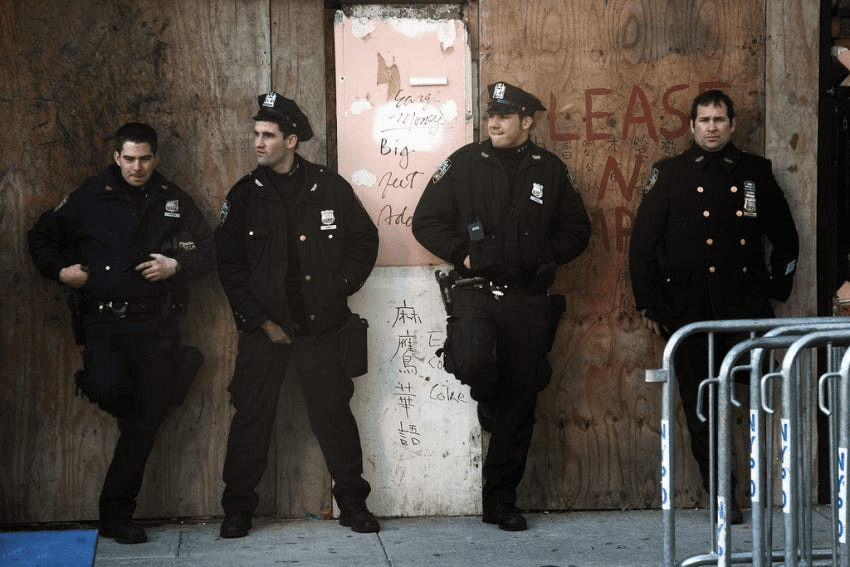
The 30th Precinct covers parts of Harlem and Washington Heights. In the 1980s and 1990s, it was one of the highest-crime areas in New York City. The crack cocaine epidemic was at its peak, and violent crime was rampant. Instead of combating the crisis, many officers in the precinct became part of the problem, engaging in illegal activities for personal gain.
The corruption took various forms. Officers were caught stealing drugs and money from dealers, extorting criminals, and even reselling confiscated narcotics. Some officers ran protection rackets, offering to turn a blind eye to drug traffickers in exchange for bribes. Others planted evidence, falsely arrested suspects, or used excessive force with impunity. What made the scandal even more shocking was how widespread and organized the corruption within the precinct had become.
The Undercover Investigation
Of course, illegal activity where the law is supposed to be upheld was suspected. The exposure of the “Dirty Thirty” was no accident; it was the result of a two-year undercover investigation. The case was handled by the NYPD’s Internal Affairs Bureau and the FBI. It was initiated due to growing suspicions and complaints within the department that officers were living beyond their means.
In 1993, Officer Barry Brown, working undercover, participated in the investigation. For two years, large-scale surveillance and tracking operations were conducted to uncover corruption in the 30th Precinct. By 1994, this investigation led to the arrest of 29 law enforcement officers, five of whom later pleaded guilty. In total, 33 officers were detained.
The group of corrupt officers, led by Sergeant Kevin P. Nannery, was involved in a series of criminal acts, including civil rights violations, perjury, extortion, large-scale theft, and the possession and distribution of narcotics. The resulting scandal led to multiple arrests among police officers and two tragic suicides.
The officers were charged with crimes ranging from drug trafficking to robbery and extortion. Some were involved in organized criminal activities, likely connected to drug cartels and mafia groups operating in the city.
Many officers received lengthy prison sentences, and the entire precinct came under intense scrutiny. The scandal triggered massive calls for reform, as the public demanded accountability and better oversight of law enforcement.
What Measures Were Taken?
Unfortunately, imprisoning the guilty police officers was not the entire solution. In the 1990s, New York City authorities began to actively implement anti-corruption policies and strengthen oversight of law enforcement agencies.
Specifically, the Mollen Commission was created, an independent group led by Judge Milton Mollen, to investigate police corruption. Its findings painted a damning picture of systemic corruption and the “blue wall of silence” that allowed officers to get away with misconduct.
The reforms included stricter supervision, more frequent background checks for new hires, and improved internal affairs operations. The NYPD also introduced ethics training and psychological assessments to identify officers who might be susceptible to corruption. Additionally, the department emphasized community policing initiatives to rebuild trust with the public.
A Dark Chapter in New York’s Law Enforcement History
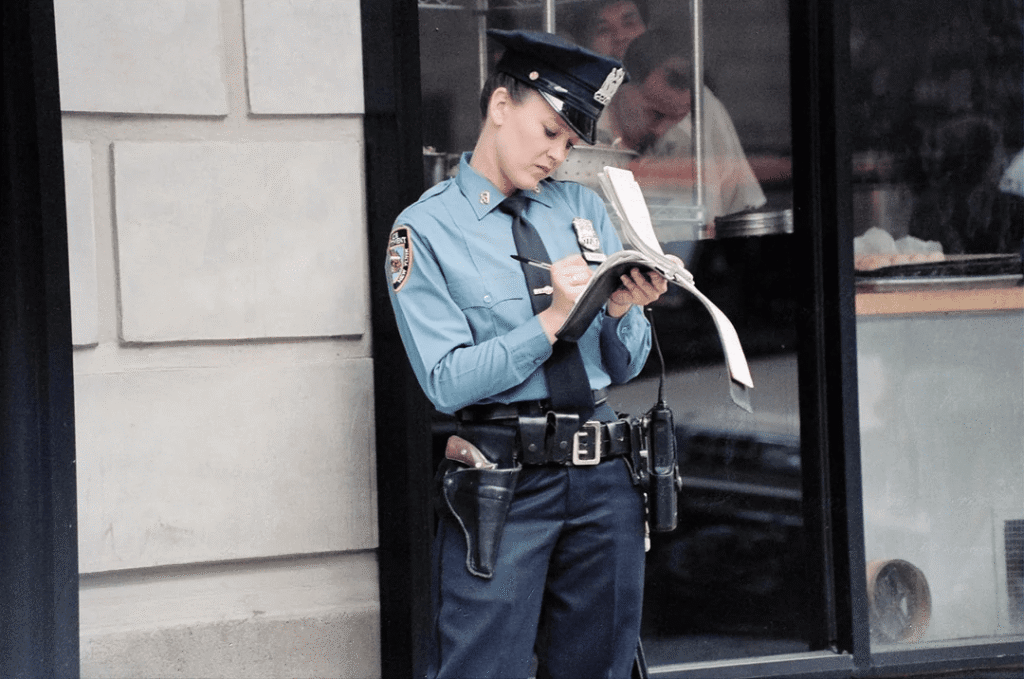
Although the “Dirty Thirty” scandal became a dark chapter in the history of the NYPD, it also served as a catalyst for change. The scandal exposed the system’s flaws and led to significant improvements in the accountability of the NYPD.
Thanks to the measures taken after the 1990s scandal, public trust in the police has grown significantly in the 21st century. But unfortunately, corruption remains a “tumor” on New York. Despite reforms and enhanced oversight, corruption within police ranks continues to surface. New cases of abuse occasionally appear, confirming that completely eradicating this problem is a difficult task. However, the measures taken after the scandal created a more transparent system where independent commissions, internal investigations, and public oversight help curb the spread of corruption.
Now, in the 2020s, the NYPD has strict protocols to prevent bribery, as well as whistleblower protection programs that allow honest officers to report violations.
The story of the “Dirty Thirty” became an important lesson, showing how crucial it is to keep power in check and ensure transparency in the work of law enforcement agencies. This scandal left its mark on New York’s history, but it also proved that even the most deep-rooted problems can be addressed if society demands change.
The NYPD corruption scandal of the 1990s became a stark example of how unchecked power can lead to widespread abuse. The officers of the “Dirty Thirty” betrayed the trust of the people they swore to protect, but their exposure led to necessary reforms that changed policing in New York forever.
As history shows, the fight against corruption is a constant battle that spans decades. Strong accountability and diligent oversight remain crucial to ensuring that law enforcement serves the people of New York with integrity and fairness.
Moreover, this dark chapter in New York’s history was captured in the documentary film “The Dirty 30.”