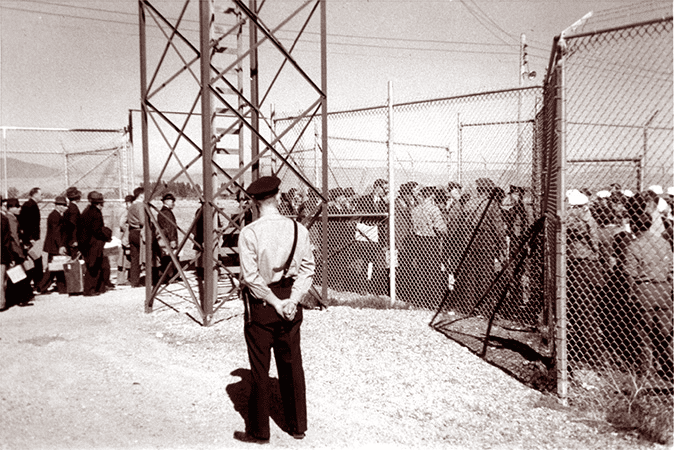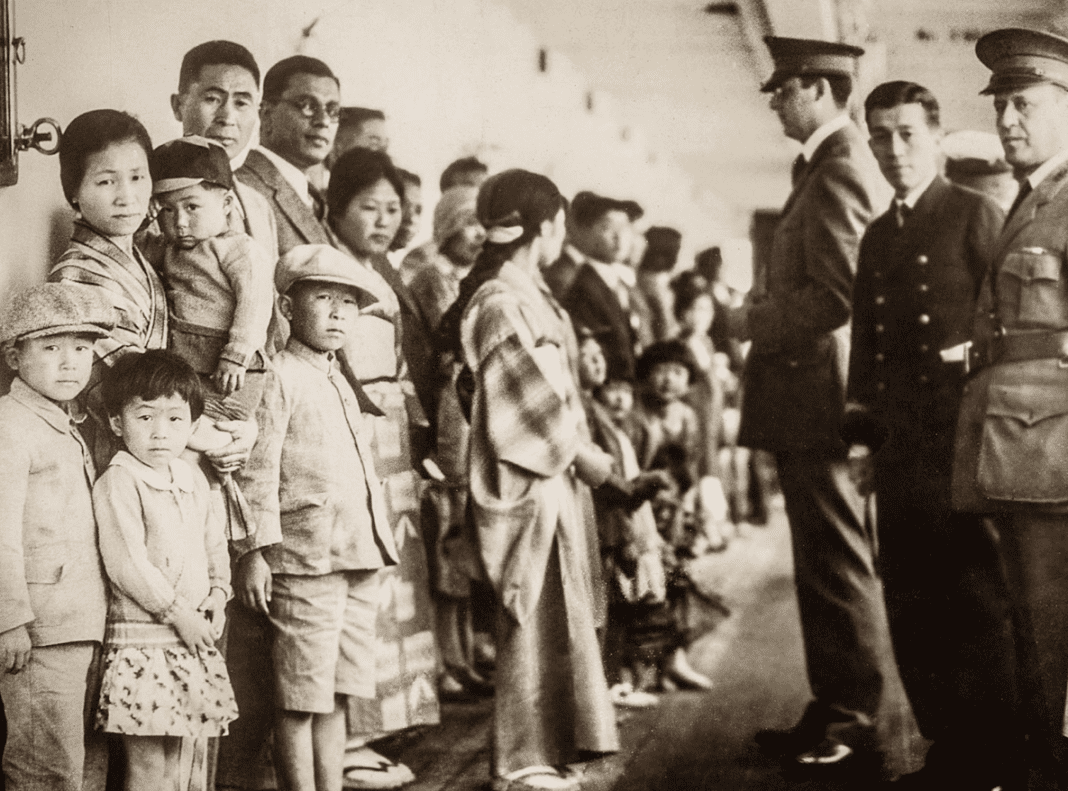

The isolation of Japanese-born Americans was a dark chapter in U.S. history that took place during the period of World War II. Furthermore, in contrast to the West Coast states, New York had a significant role during this dark period in the 20th century. What were the consequences of Japanese-American internment in New York? Find out more at new-york-yes.
How did it all start?
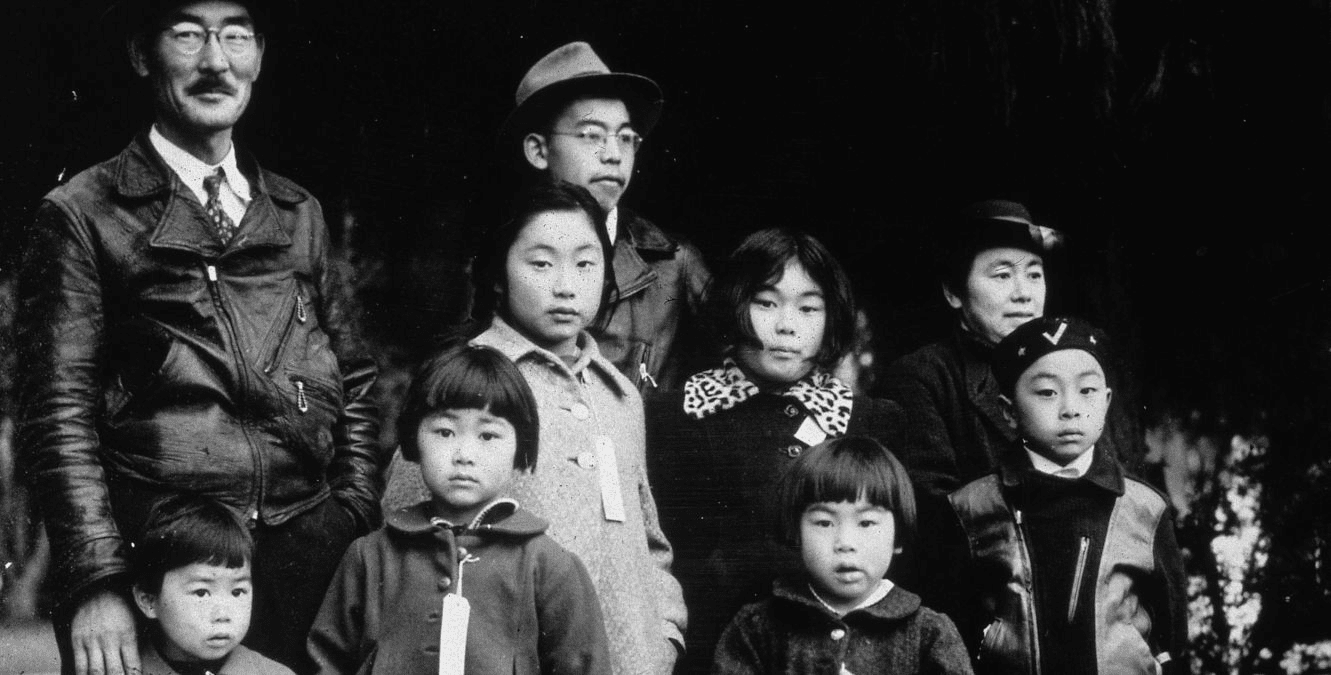
Emergency measures against Americans of Japanese heritage were implemented when, in 1941, the Japanese Navy launched a combined air and submarine attack on Naval Station Pearl Harbor, which housed the main forces of the US Pacific Fleet. Following that, then-President Franklin D. Roosevelt issued special Executive Order 9066, which authorized the forced transfer and internment of Japanese-born Americans. While this mostly affected Japanese people living on the West Coast, the decision also had an impact on New York City itself.
Japanese Americans in New York
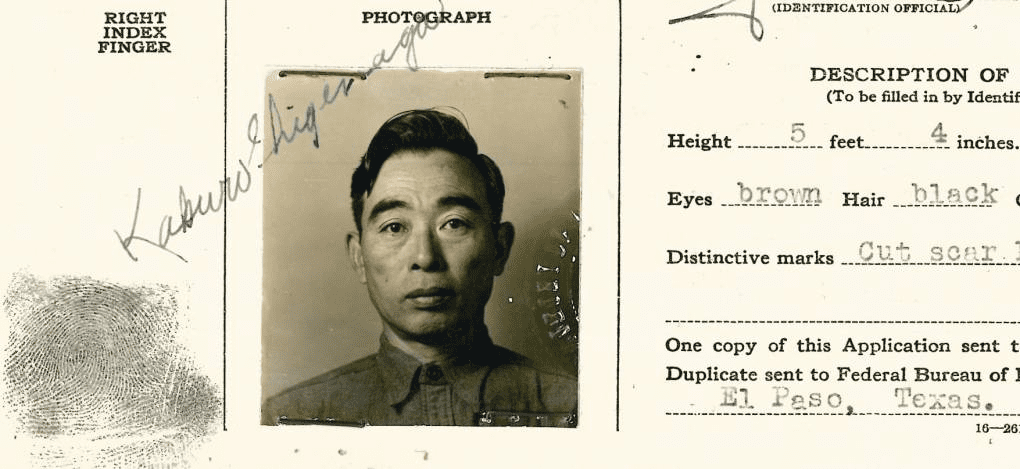
As you know, New York has always been a diverse and multicultural city, shaped over the years by immigrants from different parts of the world. Many Japanese-Americans also resided in New York.
Since early 1941, when Roosevelt’s executive order was issued, Japanese people living in New York endured terrible treatment and prejudice. In particular, the city people were extremely suspicious of them, even hostile and biased. It came to racial discrimination. Furthermore, Japanese-owned businesses experienced boycotts and vandalism, while Japanese-Americans endured prejudice and hostility in their own communities.
However, not all New Yorkers were as violent. Some city residents opposed internment and defended the rights of Japanese-Americans. Prior to that, during World War II, several New York City people made considerable steps to oppose internment and protect the rights of Japanese Americans. Organizations such as the American Civil Liberties Union and the Japanese American Citizens League were particularly active during this time period. They were involved in supporting and providing legal help to representatives of the Japanese population, including representation in cases that challenged the constitutionality of Executive Order 9066.
Despite these efforts, the internment of Japanese-born Americans continues to be a dark mark on both American and New York history. These actions serve as a reminder to modern New Yorkers of the consequences of prejudice, fear and uncontrolled governmental power. In the years following World War II, formal apologies and reparations were made to those affected by incarceration, acknowledging the injustice and trauma inflicted on Japanese-American communities.
Japanese internment at Ellis Island
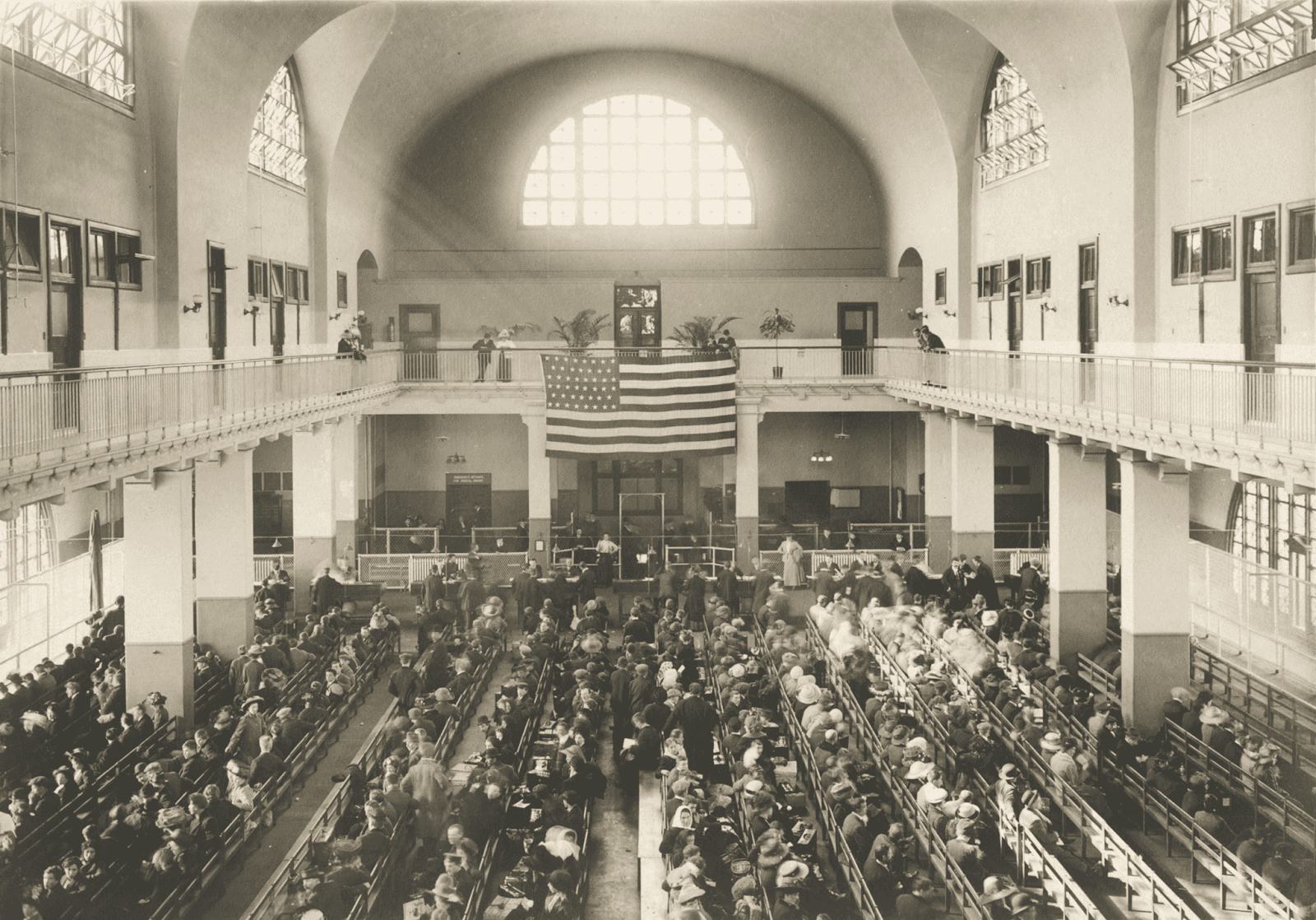
Many American Japanese internees were detained in a camp on Ellis Island in New York Harbor. The main factor that led to the isolation of Japanese people at Ellis Island was the order of the then-mayor of New York, Fiorello LaGuardia, to arrest Japanese-born Americans. Then, Roosevelt’s Executive Order only increased the mass isolation of Japanese people across the country.
During WWII, the island was designed to serve a variety of objectives. First and foremost, it served as a deportation center. There were around 7 thousand people of Japanese and German descent detained there. In addition, the island operated as a hospital and training area. During WWII, military forces and members of the United States Coast Guard were stationed here.
The Japanese, who were forced to be isolated on the island, lived in terrible conditions. They had poor nutrition, inadequate health care and unsanitary living conditions, including rats and urine-soaked mattresses. When the Japanese arrived on the island, they were handed a pair of American army boots, khaki socks, a shirt and underwear.
With the end of World War II in 1945, the Japanese-born American internment camp on Ellis Island was permanently decommissioned. It should be noted that there were only three Japanese at the camp in February 1944, and only one Japanese-American in June.
Even in the twenty-first century, the internment of Japanese-born Americans is regarded as a dark chapter in American history and history of New York. After World War II, realizing the scale of this mistake, the country’s government apologized to Japanese-born Americans for forced isolation. Prior to that, research undertaken by scientists after the end of the war indicated that interning Japanese-born Americans was not an extreme measure and could not be justified from a military point of view.
This understanding has resulted in a significant modification of policies surrounding human rights and civil liberties. In 1988, President Ronald Reagan signed the Civil Liberties Act, which contained formal government apologies and financial compensation for those affected by internment. The act acknowledged the injustice suffered by tens of thousands of Japanese-born Americans.
Internment had not only physical but also psychological and social effects. Many families lost their homes, businesses and other financial holdings. Returning to normal life after the war was difficult because society remained divided and discrimination persisted in the daily life of New Yorkers for a long time.