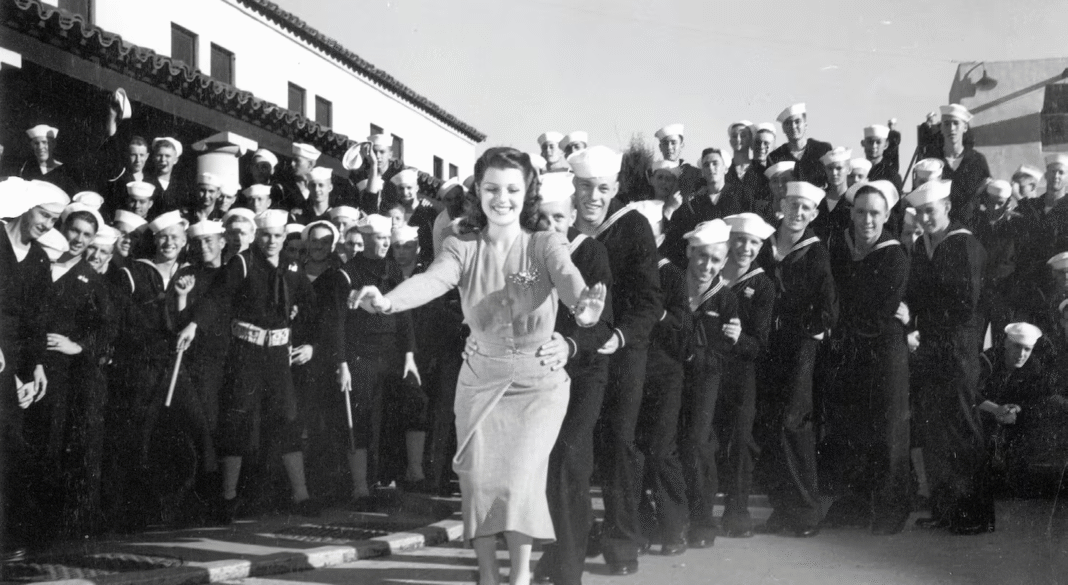

In December 1941, when the U.S. entered World War II, so did Hollywood. President Roosevelt and General Eisenhower were convinced that the film industry was a vital tool for propaganda and boosting public morale. Studio executives, filmmakers, directors, and actors all had to shift their focus and operate under military guidance.
Just as it took time for the armed forces to transition to offense, so too did the film industry. The private sector wasn’t accustomed to collaborating with censors and government regulators. Nevertheless, Hollywood ultimately proved itself a strong and reliable ally on the path to victory writes new-york-yes.
The Military and Hollywood: The Beginning of Cooperation
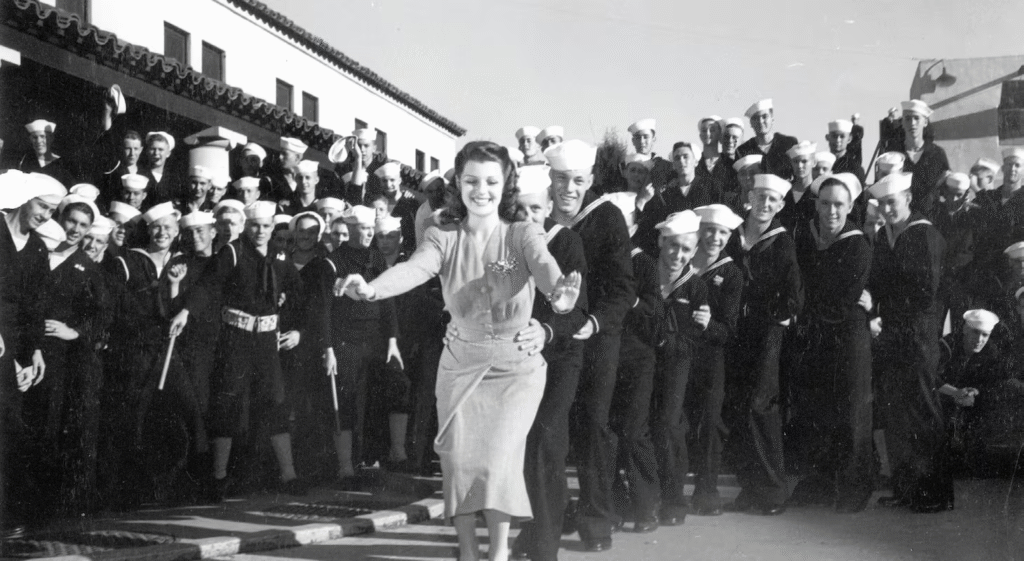
Even before the U.S. officially entered World War II, American leadership recognized that the film industry would wield significant influence during wartime. Films could become a potent propaganda tool, motivating the public much more effectively than other approaches. The combination of audio and visual elements, in the form of compelling stories, impacts people on both intellectual and emotional levels, making them incredibly effective.
In June 1942, by White House decree, the Office of War Information (OWI) was established. Its purpose was to secure public support for the war, essentially acting as a propaganda arm. Concurrently, the Bureau of Motion Pictures was placed under this new agency. Additionally, the Office of Censorship began operations, employing military censors. From then on, Hollywood studio heads had to clear every new script with these government bodies.
Initially, this led to fierce debates, almost resembling an internal war. Filmmakers weren’t used to government oversight and had their own ideas about what films should be. However, government officials and the military held their ground, and by mid-1943, both sides managed to reach a mutual understanding. The government and the film industry realized they needed each other, and Hollywood fully committed to supporting the American war machine.
Of course, audiences understood that films didn’t always precisely mirror reality, that creative license and propaganda were at play. Yet, Hollywood managed to keep these elements subtle, creating films that significantly impacted both civilians and service members.
Films as a Tool for Mobilization and Soldier Training
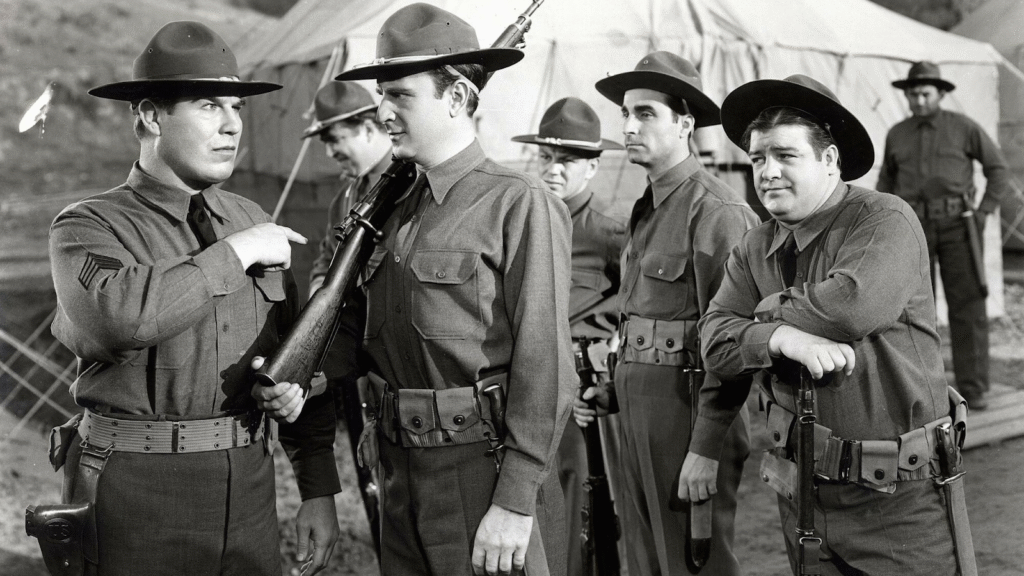
One of the top priorities for Hollywood films in the 1940s was creating movies that would encourage voluntary enlistment. As a result, the expectations of people joining the armed forces after the U.S. entered World War II were very often shaped and romanticized by cinema. Such expectations didn’t always align with reality, but the tool proved quite effective.
For example, many films were produced about submarines. They meticulously depicted their vital role in the war and the work of those involved in this field. Thanks to such movies, which were regularly released, enlistments in the Navy and submarine service continually increased.
Hollywood was also tasked with creating numerous films for military training and instruction. The production of educational films was based on active cooperation between the War Department and film studios. While such films weren’t the most exciting genre for artists, they became crucial for the war effort.
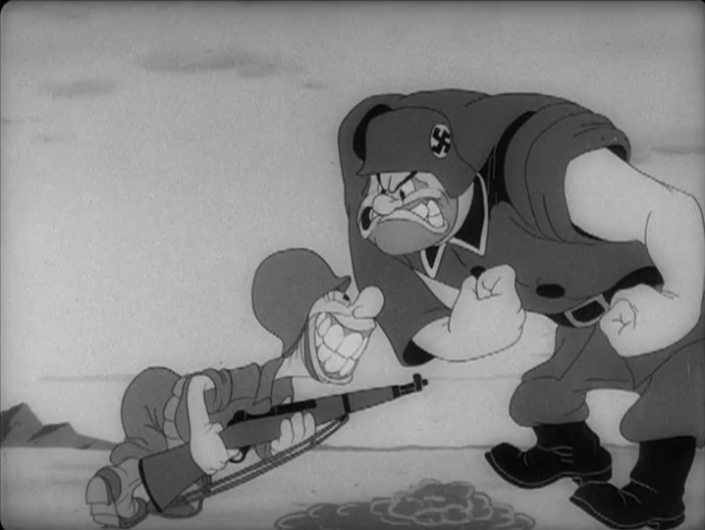
One famous example in this genre was the animated project “Private Snafu.” The main character’s name was a military acronym, translating to “situation normal, all fouled up” (or “all messed up”). The cartoons aimed to explain important concepts of military service to soldiers. For instance, one episode demonstrated the importance of information control, while another urged soldiers to respect those working on the home front. For entertainment value, Private Snafu often served as an example of improper behavior, then learned his lesson through explanations or punishments. Soldiers who watched these cartoons were meant to understand what Private Snafu learned through his experiences. Thus, they were entertained and educated simultaneously in a light, playful manner.
Cinema and Soldier Morale
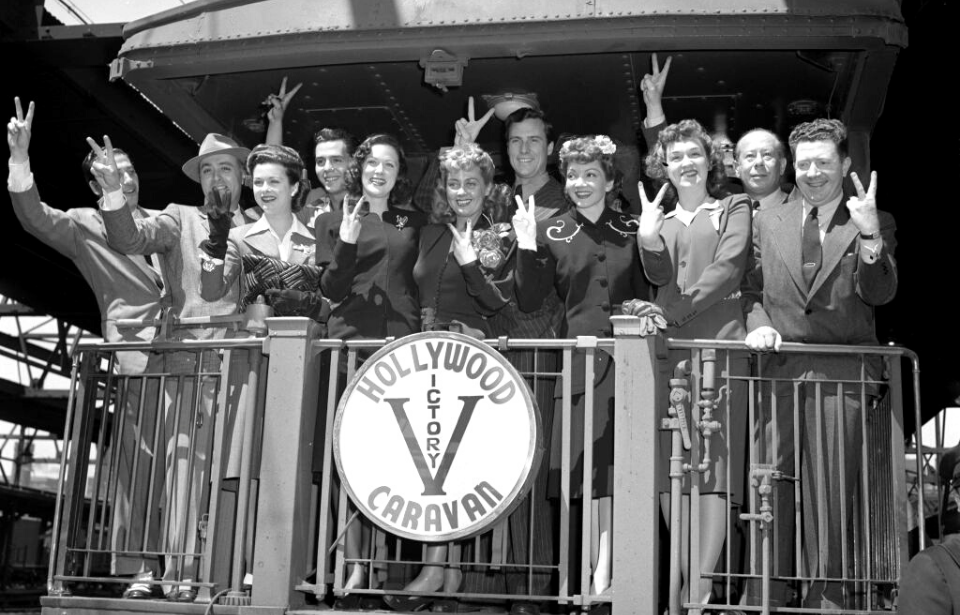
While Hollywood produced patriotic war films, military leadership organized joint screenings for soldiers. This boosted their morale, fostered a sense of camaraderie and unity, and helped them briefly forget the harsh realities of war while maintaining a connection with loved ones.
For soldiers, these movie screenings were social events and an interactive experience. They communicated with each other and with the characters on screen. Jokes and shouts were common during screenings and were not forbidden.
These films were also shown on the home front, allowing relatives and friends of service members to watch them and then discuss them in letters. This created common topics that, like threads, connected people who found themselves in different circumstances and often didn’t know what to write to each other. Discussions about films can be found in many letters from service members back home. They wrote about their impressions, made recommendations, and in this way, their thoughts returned to civilian life.
Of course, in addition to patriotic narratives, Hollywood incorporated themes of friendship and love into its films. This made the movies appealing to both military and civilian audiences. They were incredibly popular, and on the home front, they helped create an image of brave and courageous American soldiers.
The impact of the screen was truly immense. The story of the U.S. in World War II was told to people daily through newsreels, footage of military actions, cartoons, and short and feature films. So, Hollywood worked at full capacity and delivered the results the military expected.
The Subtle Art of Propaganda
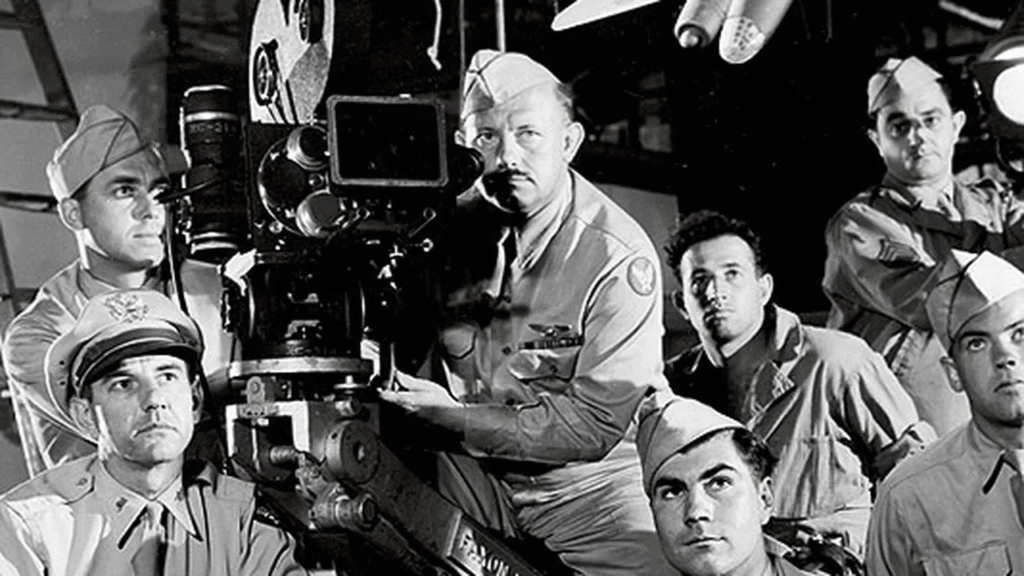
The American film industry employed sophisticated propaganda. While German films of this period overtly glorified Hitler and the Nazis, the U.S. Office of War Information believed that propaganda ideas should be carefully woven into entertainment films, and people shouldn’t even realize they were being propagandized. Therefore, Hollywood used scenes with women in military uniforms, showed teenagers participating in military actions, and displayed war posters in films, but always in moderation.
Much attention was paid to how enemies were portrayed. The challenge was that villains in movies often become audience favorites. So, filmmakers made great efforts to avoid this, employing humor and caricatures instead.
It’s worth noting that American movie theaters were packed daily, and audiences eagerly came to watch new and old films. General George Marshall remarked that the war contributed to the development of two new types of weapons: airplanes and motion pictures.
After World War II ended, Hollywood reverted to its corporate studio operational mode. However, the significant role the film industry played during that period remains in history. Propaganda films boosted mobilization, aided military training, and strengthened the morale of American soldiers and civilians. Cinema proved to be a powerful weapon that Hollywood managed to wield wisely.