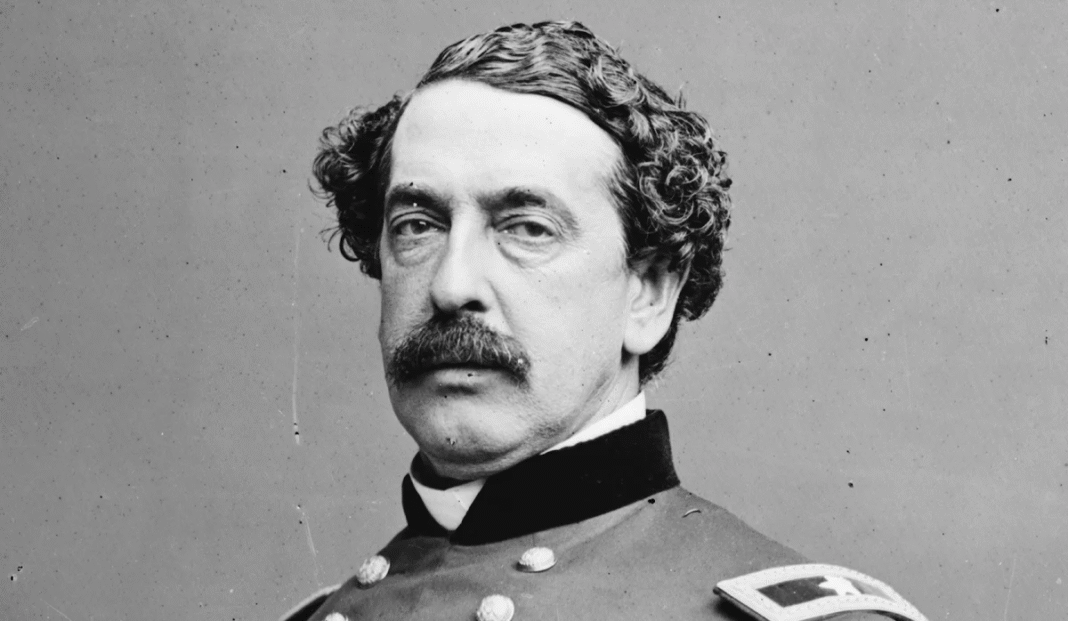

Abner Doubleday, an officer in the U.S. Army, played a significant role in the events of the Civil War. He participated in numerous battles, displaying immense courage and bravery. After the war, he chose to remain in the military and continue his career. He was famously, though incorrectly, credited as the inventor of both cable cars and baseball. While these claims were later debunked, his place in U.S. history remains important and prominent. Find out more on new-york-yes.
Early Life and Military Career
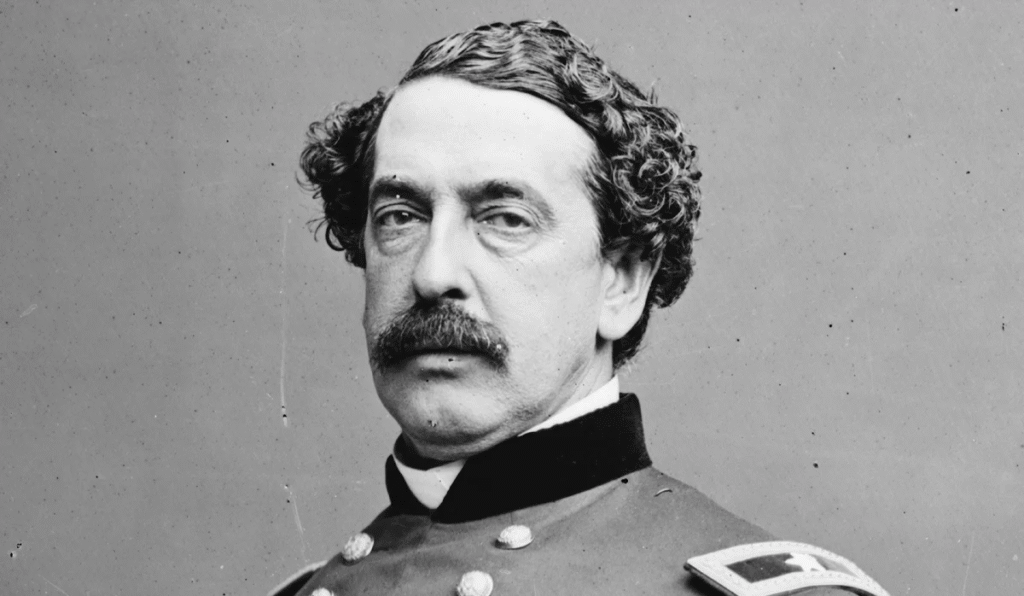
Abner Doubleday was born on June 26, 1819, in Ballston Spa, New York. His father had served in the War of 1812 and later became a U.S. Congressman. After finishing school, Abner studied civil engineering and subsequently worked as a railroad surveyor. In 1838, he entered the U.S. Military Academy at West Point. After four years of study, Abner continued on his military path.
He was commissioned as a second lieutenant and served in various garrison duties. His first major test came during the Mexican-American War, which lasted from 1846 to 1848. During these years, Doubleday served as an artillery officer and commanded a supply depot in Camargo, Mexico.
After the war, he returned to garrison duty. In 1852, he married Mary Hewitt, the daughter of a Baltimore lawyer. However, the calm life of a military officer ended a few years later. In 1855, the Third Seminole War began, and Abner Doubleday was transferred to Florida.
The Outbreak of the Civil War
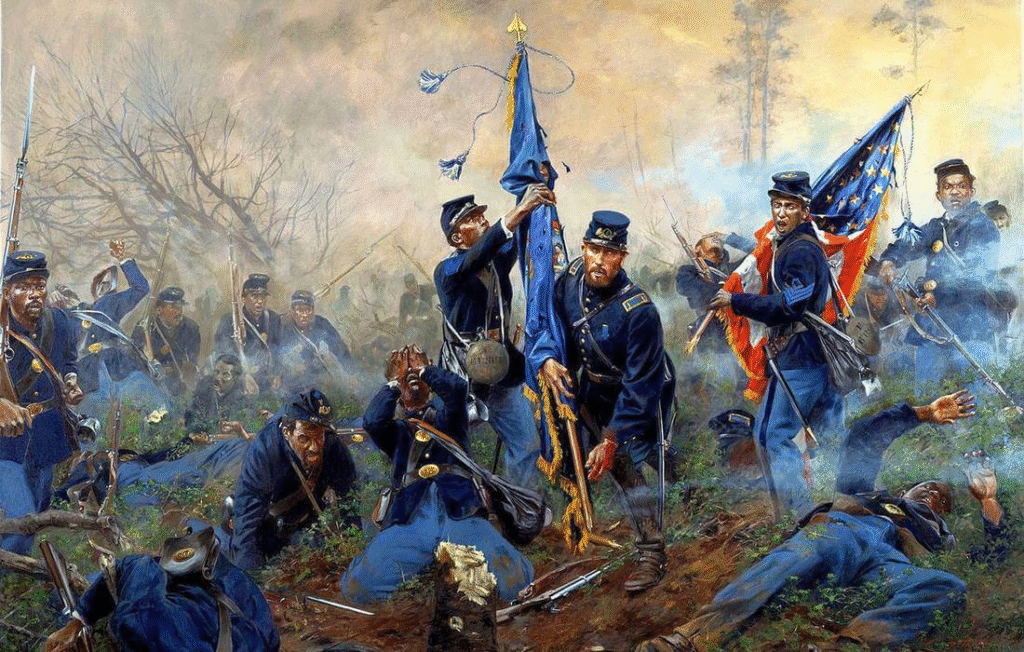
Our hero steadily gained experience, but the most significant military events of his life were yet to come. From 1859, he served at Fort Moultrie in Charleston. During this time, Abner Doubleday became a supporter of Abraham Lincoln and was also involved in the abolitionist movement. However, not everyone around him shared these views. The country was on the brink of civil war.
Due to the mounting societal tension, in late 1860, Doubleday, along with the fort’s commander, relocated their garrison to Fort Sumter. Other city forts were seized by the South Carolina militia. The standoff between them lasted for nearly four months, and on April 12, 1861, the militiamen bombarded Fort Sumter. In response, Abner Doubleday aimed his battery and fired the first return shot. This is the moment from which the beginning of the U.S. Civil War is often dated.
Fort Sumter had to surrender a day and a half after the shelling began due to a lack of ammunition and food. The garrison was permitted to leave, as prisoners were not yet being taken at the war’s outset.
Doubleday was promoted to major and appointed to command the artillery defenses around Washington. In 1862, he was promoted to brigadier general of volunteers and given command of a brigade under the overall direction of General Irvin McDowell.
Abner Doubleday’s Combat Experience
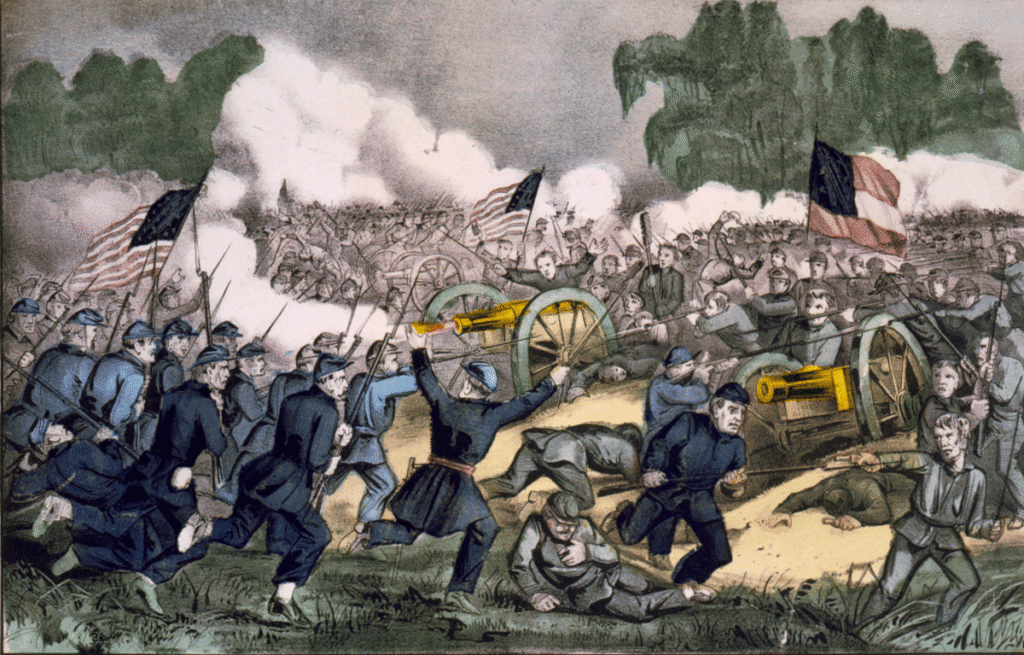
Our hero’s first combat experience came in August 1862, at the Second Battle of Bull Run (Manassas). Doubleday had previously sent a thousand soldiers to support General John Gibbon. This support temporarily held the front line where Confederate General Thomas “Stonewall” Jackson was advancing. Afterward, the unit returned to Doubleday’s command but was repelled by General James Longstreet. The Union forces were forced to retreat.
Following these events, Doubleday was placed under the command of General Joseph Hooker and participated in the Battle of South Mountain in the fall of 1862. After General John P. Hatch was wounded, Doubleday independently commanded his division and repelled Confederate attacks. Doubleday remained in this position during the Battle of Antietam, which was very difficult for both sides. For his actions in this battle, he was promoted to major general of volunteers.
Soldiers under Abner Doubleday also participated in the Battle of Fredericksburg in late 1862. Shortly after, the major general took command of the Third Division and led this new unit at the Battle of Chancellorsville in the spring of 1863.
The most defining moment in the military officer’s biography was the Battle of Gettysburg, which took place in the summer of 1863. On the first day of heavy fighting, he took command of the I Corps due to the death of General John Reynolds. Adhering to the previously developed battle plan, Abner Doubleday and his soldiers held their positions near Chambersburg Pike. However, by the end of the day, he was forced to retreat.
Despite the difficult situation, the soldiers managed to repel the dominant Confederate forces, but the army commander, George Meade, decided to relieve Doubleday of his command. On one hand, Meade was misinformed about the I Corps’ actions. On the other, he doubted Doubleday’s ability to lead the army based on personal convictions. Such treatment offended our hero, but he remained on the battlefield.
The next day, he was wounded in the neck, and the Confederates were defeated and retreated across the Potomac River. Abner Doubleday received a temporary promotion to colonel and wanted to be reinstated to a command position. After Meade’s refusal, the officer traveled to Washington.
Administrative Work
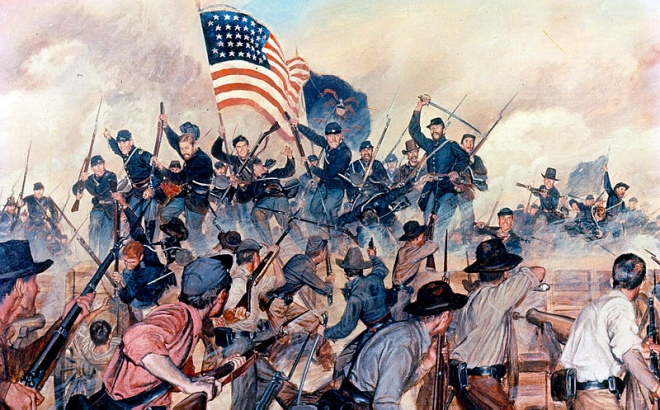
For the next six months, Abner Doubleday had no assignments. Only in early 1864 did he become president of the U.S. Military Commission. This administrative position involved investigating issues such as bribery and treason. Offended by George Meade’s refusal regarding corps command, Abner Doubleday provided testimony to Congress against Meade’s actions and criticized the Gettysburg campaign. According to him, there were those in the Union Army who supported slavery, which undermined unity and caused unrest among the soldiers.
Our hero remained in Washington until the end of the Civil War. When Confederate troops approached the city in the summer of 1864, Doubleday was appointed head of the defensive units, but he did not have to engage in battle.
In 1865, he was promoted to colonel in the regular army and remained in various administrative positions until the very end of the Civil War.
Later Life: Legends and Facts
When the war ended, Abner Doubleday decided to continue his military career. In 1866, he became commander of troops in New York. The following year, he was appointed assistant commissioner in the Bureau of Refugees, Freedmen, and Abandoned Lands. This agency helped African Americans on their path to freedom. Doubleday was later transferred to San Francisco, where he worked as a recruiting officer. He retired in 1873, having previously led an African-American unit in Texas.
In the post-war years, several myths emerged around Abner Doubleday. For example, he was credited with inventing San Francisco’s cable cars. In reality, he was a co-founder of the city’s first cable car company and contributed to the patenting of this invention.
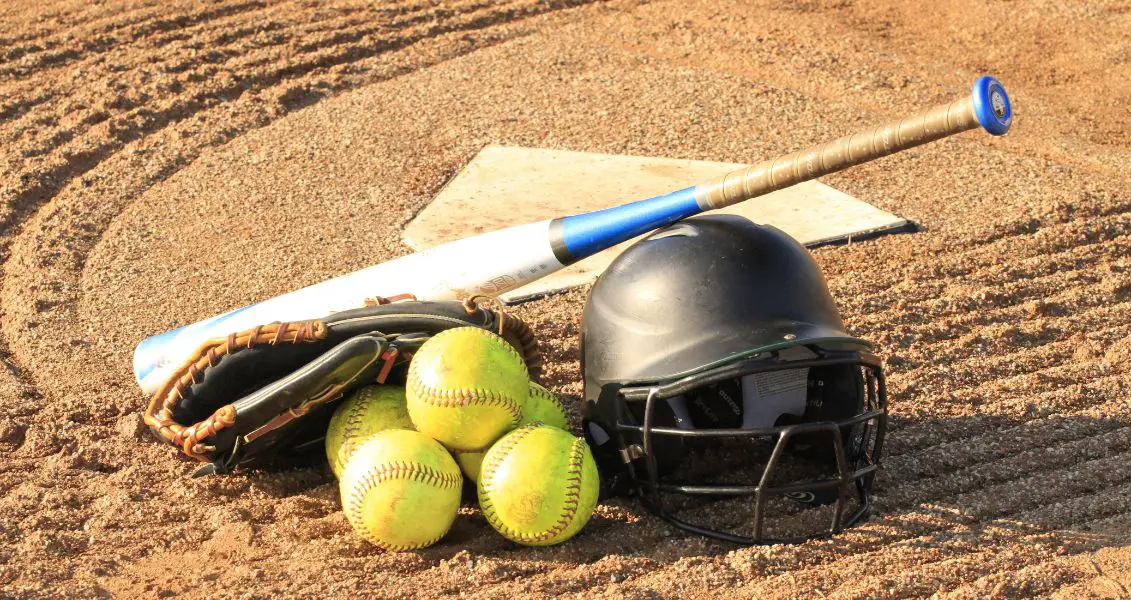
Furthermore, he was famously attributed with inventing baseball, supposedly in 1839 in Cooperstown, New York. This was formally documented in 1907 by the Mills Commission, but it lacked sufficient evidence. Moreover, at the time specified, Doubleday was a cadet at West Point and was unlikely to be home. He himself never claimed to have invented baseball and wasn’t particularly interested in the sport. Despite this, the National Baseball Hall of Fame and Museum was founded in Cooperstown in 1939, and several teams and stadiums are still named in the general’s honor.
As for Abner Doubleday himself, he moved to New York City in his later years and became president of the Theosophical Society. The distinguished military officer passed away in New Jersey on January 26, 1893.