
New York is famous for more than just its fast pace of life, endless opportunities, or world-renowned landmarks. The city is also full of interesting political figures who invested all their efforts into developing New York to achieve a comfortable standard of living. Learn more at new-york-yes.
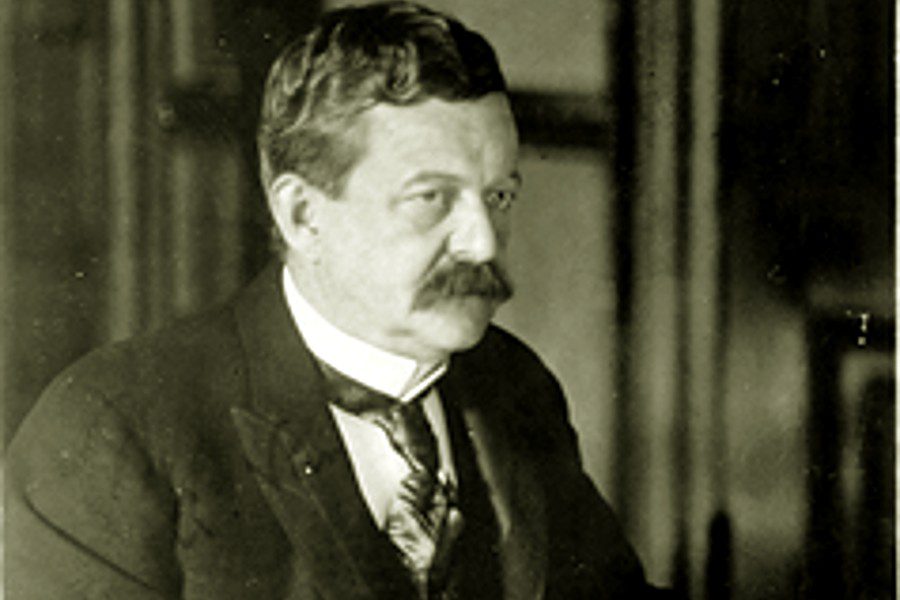
One such figure was Robert Van Wyck. Robert was an initiator of the New York City subway system and helped guide New York through some difficult years.
At the same time, Robert is considered one of the most scandalous mayors in the city’s entire political history. Unfortunately, his term was marked by rampant corruption, and he was repeatedly exposed in a series of massive corruption cases.
Early Years
Robert Anderson Van Wyck was born on July 20, 1849, in Harlem, New York.
Robert was the son of William Van Wyck and Lydia Ann Maverick. He grew up in a large family as one of seven children.
Robert attended Wilson’s Academy in North Carolina and later graduated from Columbia University in Harlem.
Robert’s Career
Van Wyck did not immediately begin a political career. He first worked in business, then studied law and became an attorney. His goal was to first acquire a wealth of knowledge before “conquering” the political sphere.
Van Wyck was a member of The Holland Society, where he eventually became president. In addition to the society, Van Wyck belonged to many of the city’s social clubs and was well-known in Masonic circles as a member of “The Ancient Lodge” in New York.
It’s worth noting that Masonic lodges like “The Ancient Lodge,” to which the future mayor of New York belonged, were often places where ideas of liberty, equality, and fraternity were discussed. It was also here that political opinions and decisions were formed that would later influence the development of New York.
Political Career
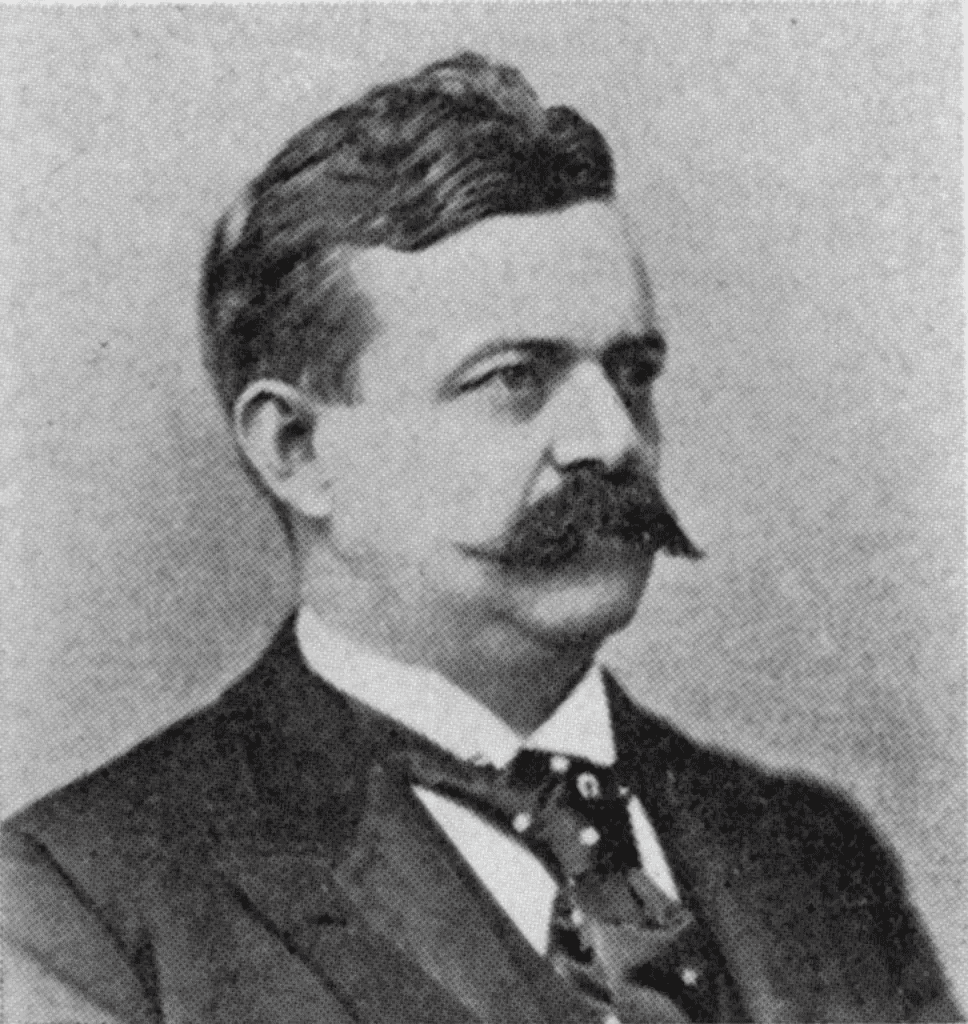
For many years, Van Wyck was interested in the workings of the Democratic Party, and to get closer to politics, he attended various state party conventions.
Later, though a full-fledged political career was not yet within reach, he was elected as a judge of the New York City Court. He even advanced to the position of Chief Judge.
Van Wyck resigned from this position after being offered the opportunity to run for Mayor of New York.
In 1897, Robert was elected Mayor of New York, winning the most votes among his opponents. He served as mayor from 1898. He became the first mayor to govern New York City after its five boroughs were consolidated into a single city.
As mayor, he unified the countless municipal corporations that made up the greater city, sorting out their finances and bringing order to near-complete chaos. He oversaw the construction of the Interborough Rapid Transit (IRT), the first subway in Manhattan, and also managed the construction of the Brooklyn Tunnel. But it was precisely because of the subway construction that Robert ruined his reputation as a good mayor, as he became embroiled in a corruption scandal.
Scandals Involving the Mayor of New York
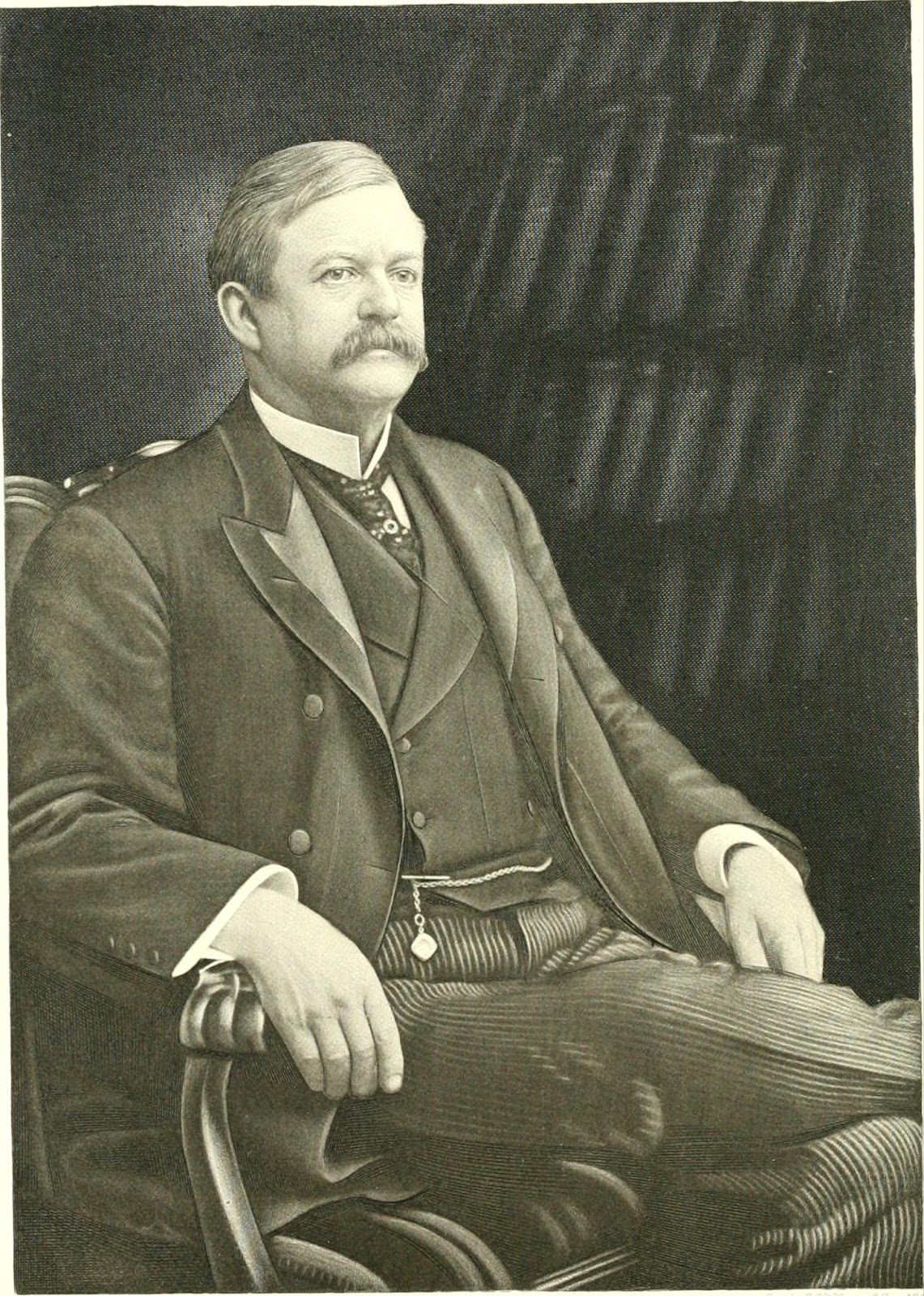
As we mentioned above, the most famous corruption scandal involving Robert was related to the construction of the subway system, which included the awarding of construction contracts.
Robert and his team were accused of accepting bribes from companies bidding for the contracts. This incident caused a wave of negative sentiment among New Yorkers, as citizens claimed that the city government was not acting in the people’s interest but was only focused on enriching itself with the city’s budget.
The next, no less resonant scandal, concerned the so-called “Ice Trust.” Van Wyck was implicated in a case involving the granting of a monopoly on ice sales to a company associated with Tammany Hall—the political machine that supported him as mayor.
As it turned out, the monopoly involving Robert intended to raise the price of ice, which was a vital product because it was the only available preservative for keeping food, milk, and medicine fresh. The high price would have made ice unaffordable for many of the city’s poor residents.
Although the American Ice Company canceled the price increase under public pressure, the scandal proved to be disastrous for Van Wyck’s political career.
The ice price scandal effectively destroyed Van Wyck’s political career. In 1902, the New York Times characterized the Van Wyck administration as being mired in “black ooze.”
Subsequently, Governor Theodore Roosevelt initiated an investigation which determined that Van Wyck was not personally involved in the ice scandal, but despite Robert’s exoneration, his political career was over. Van Wyck had no chance of being re-elected for a second term.
The Mayor’s Final Years
Van Wyck was married, and in his final years, he and his beloved wife enjoyed visiting beautiful corners of the world. In 1906, the Van Wyck family moved to the capital of France.
Unfortunately, Robert passed away in France at the age of 69 on November 14, 1918. The funeral was held at the American Church in Paris. His body was returned to New York, and he was buried at Woodlawn Cemetery in the Bronx.
Sources: