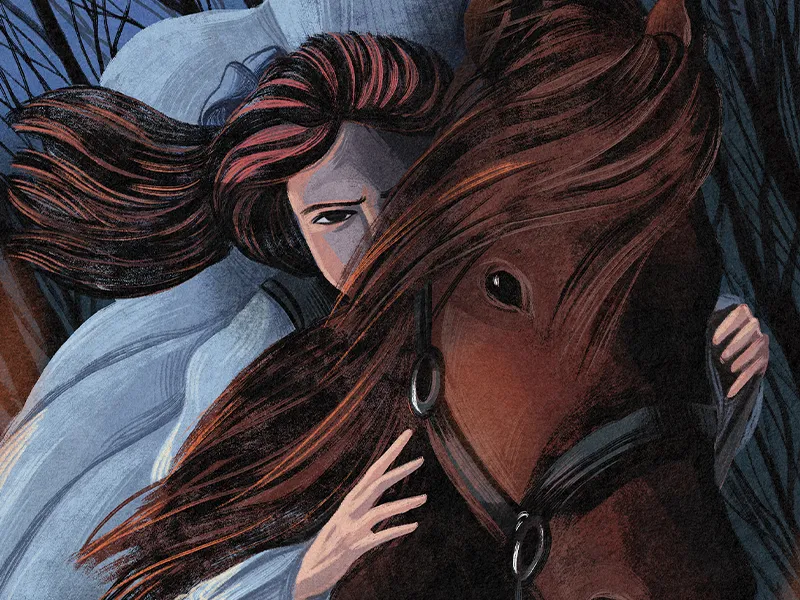

The name of American heroine Sybil Ludington is closely tied to the events of the American Revolutionary War. The tale goes that this 16-year-old girl single-handedly rode 40 miles through the night to alert American militiamen about a sudden attack by British forces. Her ride supposedly helped repel the attack and force the British to retreat. Today, however, some scholars suggest this story is merely a legend, citing a lack of sufficient evidence. Read more on new-york-yes to learn about her.
Who Was Sybil Ludington?
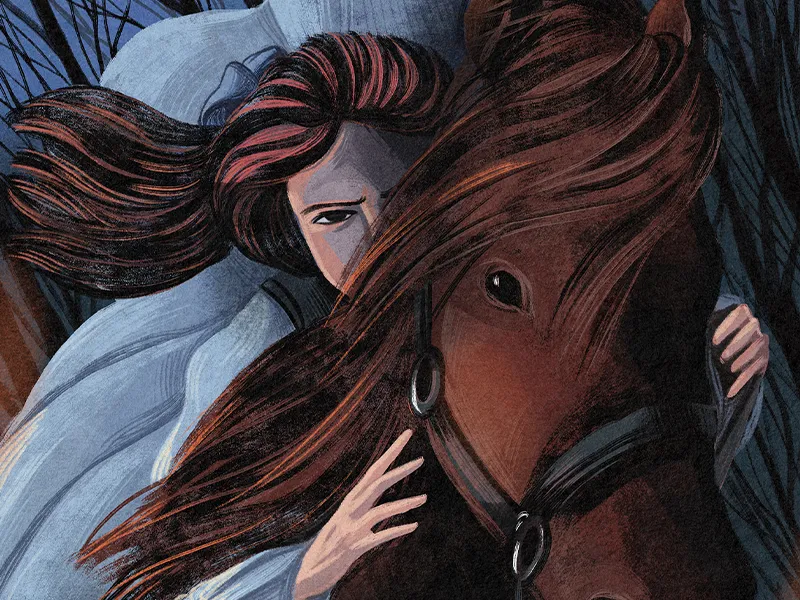
Sybil Ludington was born on April 5, 1761, in Fredericksburg, New York (now Ludingtonville, within the town of Kent). She was the firstborn child of Abigail and Henry Ludington. Her father owned a mill and had previously fought in the French and Indian Wars.
After the Revolutionary War began in 1775, he voluntarily took command of the local Dutchess County militia as a colonel. He later served as an aide to General George Washington. As the war raged on, his eldest daughter, Sybil, turned 16. And then came the day when this young woman played her part.
The British Attack on Danbury
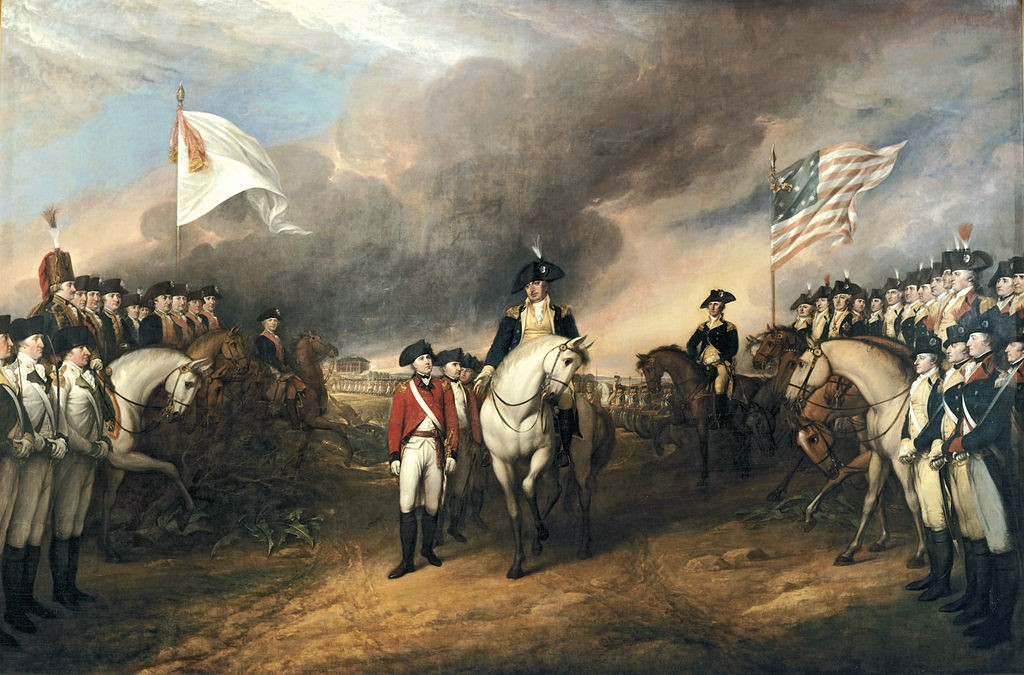
On April 25, 1777, 2,000 British soldiers, under the command of General William Tryon, landed near the mouth of the Saugatuck River in Connecticut. They immediately began moving inland, encamping in Weston before proceeding to Danbury.
Along the way, they caused little destruction, but in Danbury, they began searching for and burning Continental Army supply depots, along with other private property. Supplies had been moved to Danbury shortly before, as the town was considered safe and largely unguarded. It housed large quantities of food, wine and rum, hospital beds and tents, clothing, and shoes. When the British soldiers found the rum, the situation in Danbury deteriorated, as intoxicated troops were less inclined to maintain discipline. At the same time, they became less vigilant, and secret messengers were dispatched to neighboring towns to inform militiamen of the British attack.
Colonel Henry Ludington was then leading one of the militias, numbering 400 men. A messenger arrived late that evening with news of the attack. The Colonel began gathering his militia and volunteers. However, an alarm needed to be raised in other towns, and the messenger was unfamiliar with the area.
Sybil Ludington’s Ride
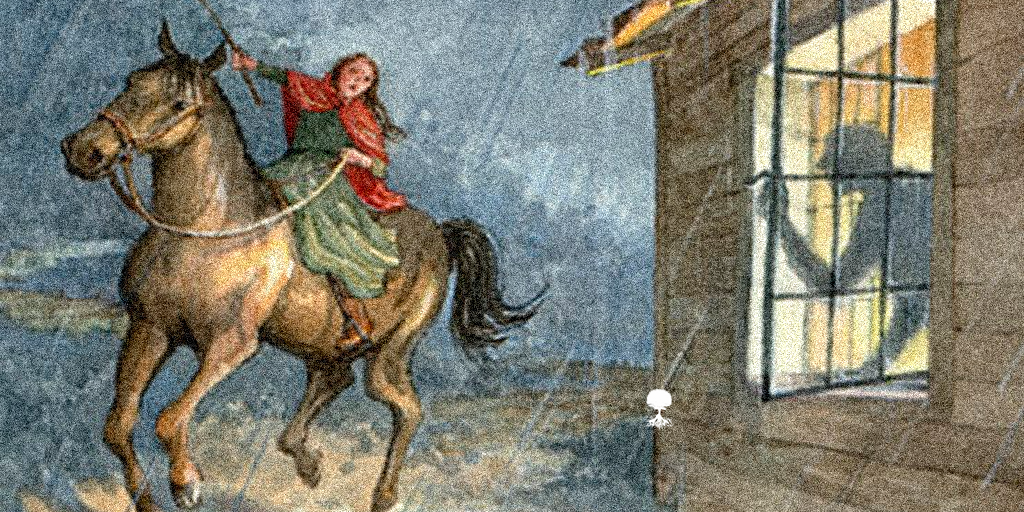
It’s unclear whether her father assigned this task to Sybil or if she volunteered for the crucial mission, but the girl set out immediately that night, riding 40 miles through Putnam County. She returned home by dawn the next day.
The young woman managed to evade British soldiers, Loyalists, and outlaws. She successfully raised the alarm throughout the entire county. When church bells rang in Carmel after her arrival, one of the local men offered to accompany her. However, she declined, and the messenger instead headed east.
The following day, armed militiamen caught up with the British in Ridgefield, Connecticut. A major battle ensued, in which American General David Wooster was killed. However, the British suffered significant losses and retreated to the sea. Colonel Ludington’s troops also participated in these events.
Sybil Ludington’s Later Life and Legacy

In 1785, Sybil married Edmond Ogden. They had one son, Henry. The exact details of Ludington’s husband’s occupation are uncertain; some sources indicate he was a lawyer, while others suggest he managed a tavern.
In 1792, the family moved to Catskill. Edmond passed away in 1799 from yellow fever, leaving Sybil to raise their son alone. Henry became a lawyer, married, and then the young couple, along with his mother, moved to Unadilla, New York. Sybil Ludington died there on February 26, 1839.
Her story was largely forgotten until the 1870s. Sybil Ludington’s name gained prominence during World War II. It was then that historical roadside markers were erected in New York State, tracing the young girl’s heroic route. Subsequently, sculptures and books began to appear in her honor, and in 1975, Ludington’s memory was commemorated on a postage stamp marking the U.S. Bicentennial. The National Rifle Association established the “Sybil Ludington Women’s Freedom Award.” An ultramarathon, mirroring the legendary ride, was also named in her honor.
The Story of Sybil Ludington: Myth or Reality?

The account of Sybil Ludington’s night ride is based on a mention in her father’s 1907 memoirs, which were privately published by the colonel’s grandchildren. A similar entry also appeared in an 1880 history book, but without referencing any sources.
Some scholars began to question this story in the mid-20th century, given the scarcity of corroborating evidence. We have no official records or testimonies, and even the figure of Sybil Ludington herself is shrouded in mystery. The girl’s name was spelled differently in various sources, and her tombstone didn’t include a surname. It’s almost certain that Colonel Henry Ludington participated in the Battle of Ridgefield. But what did his 16-year-old daughter do the night before?
It’s worth noting that her story gained widespread recognition and popularity during the Colonial Revival period. Patriotic fervor and a surge of public enthusiasm accompanied the centennial celebrations of the Revolutionary War. It was then that attention began to turn to women heroes of the past. For instance, the story of Betsy Ross and her creation of the first U.S. flag began to spread. Sybil Ludington’s ride also gained notoriety, despite the absence of official documents. This figure became a favorite of feminist groups and a symbol of the often-hidden role of women in colonial American life.
At the same time, one cannot definitively claim that this story is an absolute myth. Historian Vincent Dacquino has written four books about Sybil Ludington, including “Patriot Hero of the Hudson Valley,” published in 2019. He uncovered a letter, dated 1854, written by Ludington’s nephew, requesting that his aunt be honored at a ceremony for Revolutionary heroes. In this letter, he meticulously detailed her night ride and its significance in the victory against British forces.
Several letters from Sybil Ludington herself have also been preserved. However, in them, the woman does not mention that legendary night, perhaps because many other events occurred later in her life that were more personally significant to her. For example, her husband died young, and the widow had to raise her son and earn a living on her own. Shortly before her death, Sybil Ludington applied for a pension in her veteran husband’s name. However, it was denied because she couldn’t provide a marriage certificate. This fact raises even more questions about the details of her life, which, unfortunately, can no longer be definitively established.
Despite the lack of substantial evidence or official testimonies regarding the girl’s role in the Revolutionary War, Sybil Ludington’s star continues to shine in U.S. history. Her story remains well-known and popular, sparking continued interest and research. This small heroic act became one of the puzzle pieces that contributed to the American success during those years. That’s why Ludington’s night ride is noteworthy and remains a source of inspiration for artists and American citizens, especially women.